

News
Jul 17,2026
By:Pino
Unstable phosphate coating on phosphated steel wire (e.g., uneven coating, local missing film, poor adhesion, easy peeling, abnormal color, etc.) is a common production defect generally induced by multiple overlapping factors.Below sorted root causes and corresponding analysis & troubleshooting guidance are listed by category:
Cause: Residual drawing oil, lubricant, anti-rust oil, dirt and other organic contaminants remain on steel wire surfaces.
Impact: Oil film isolates phosphate bath and steel substrate, blocks phosphating reaction, resulting in missing coating areas, ultra-thin film or loose phosphate layers.
Troubleshooting Items:
Check concentration, operating temperature and immersion time of degreasing tank;
Verify if degreaser is aged and loses efficacy;
Inspect rinsing sufficiency (unclean post-degreasing rinse will carry oil contaminants into subsequent working tanks).
Insufficient pickling: Residual oxide scale/rust covers the wire surface, obstructs film formation and leads to discontinuous or partial missing phosphate coating.
Over-pickling: Excessively long pickling duration or over-high acid concentration causes over-corrosion of steel wire (risk of hydrogen embrittlement), over-rough surface and carbon enrichment (black pickling slag). Over-etched surfaces cannot form uniform & compact phosphate film; carbon-enriched zones barely generate phosphate coating at all.
Troubleshooting Items:
Test pickling tank acid concentration, temperature and process time;
Check if iron ion content in acid bath exceeds limit (partial or full bath replacement/regeneration required if over standard);
Confirm thorough post-pickling rinsing (residual acid will pollute phosphating tank liquor).
Cause: Unclean rinsing after degreasing, pickling and phosphating procedures.
Layered Impacts:
Unclean post-degreasing rinse: Carries alkali and oil into pickling tank, weakens pickling effect and contaminates phosphating bath in the end;
Unclean post-pickling rinse: Introduces residual acid and iron salts into phosphating tank, sharply elevates free acidity and iron ion concentration, breaks bath chemical balance, and forms rough, porous, easily peeled phosphate film or even fails film formation;
Unclean post-phosphating rinse: Residual phosphate liquor triggers white spots and premature rust during drying or storage.
Troubleshooting Items:
Check rinsing water hardness & cleanliness, overflow flow rate and soaking time of each rinsing tank; replace rinsing water on a regular schedule.
Too low: Slow phosphating reaction, thin discontinuous film, coarse crystal structure and weak adhesion.
Too high: Over-fast reaction, coarse loose porous crystals, increased sludge output, degraded film quality, even decomposition & failure of partial bath components.
Severe temperature fluctuation: Uneven film thickness and inconsistent crystallization state.
Troubleshooting Items: Inspect heating system, calibrate temperature gauges, ensure uniform temperature distribution inside phosphating tank.
Too short: Incomplete film-forming reaction, thin discontinuous coating and inferior anti-corrosion performance.
Too long: Massive sludge accumulation; film thickness rises but crystals turn coarser, adhesion declines, and local film dissolution occurs.
Troubleshooting Items: Match production line traveling speed with immersion/spray contact time strictly.
Excessively high free acidity: Suppresses phosphating reaction, slows film growth, forms ultra-thin or blank coating; aggravates substrate acid etching and generates more sludge.
Insufficient free acidity: Over-violent film-forming reaction, coarse loose crystals, excessive sludge and poor coating adhesion.
Low total acidity: Lack of effective film-forming ingredients, thin film with incomplete substrate coverage.
High total acidity: Thick coating but accompanied by coarse crystals and heavy sludge.
Key note on FA/TA ratio: Different phosphating systems (zinc series, manganese series, zinc-calcium series, etc.) under different temperatures require fixed standard FA/TA ranges.
Over-high FA ratio: Slow film-forming reaction;
Over-low FA ratio: Over-fast reaction with coarse crystal defects.
Troubleshooting Items (Core Monitoring Index):
Test and adjust total acidity & free acidity regularly (per shift or higher frequency) in accordance with phosphate supplier’s process specification; guarantee accuracy of titration reagents and testing methods.
Insufficient accelerator: Slow reaction rate, thin uneven coating, yellow rust or colored abnormal film, extra sludge generation.
Excessive accelerator: Over-intense chemical reaction, massive sludge output, coarse porous crystals and weak coating adhesion.
Troubleshooting Items: Test accelerator concentration regularly (measured by accelerator point / gas point value), add supplementary agent following process requirements.
Cause: Long-term service leads to continuous consumption of effective components and accumulation of reaction by-products (ferric phosphate sludge) & impurity ions (Al³⁺, Ca²⁺, Cl⁻, SO₄²⁻, etc.).
Impact: Declined film-forming capacity; defective coating (thin, loose, poor adhesion, abnormal color); heavy sludge generation; difficult parameter adjustment.
Troubleshooting Items:
Regular full-component analysis of bath liquor (Zn²⁺, Mn²⁺, PO₄³⁻, Ni²⁺, etc.);
Monitor impurity ion content (Fe²⁺/Fe³⁺ is the most critical index; over-limit iron ions seriously damage phosphate film performance);
Perform partial or full tank liquor replacement based on lab analysis results.
Cause: Supplementary agent added with mismatched proportion (e.g., only main agent replenished without accelerator) or foreign substances breaking bath balance.
Impact: Induces abnormal FA/TA ratio or unbalanced key film-forming ion ratio (such as Zn/Mn ratio), resulting in unstable coating performance.
Troubleshooting Items: Follow supplier’s official replenishment guide; prefer pre-formulated composite supplementary agents; avoid random addition of single raw material.
Pretreatment process: Cl⁻ / SO₄²⁻ from pickling tank, residual alkali & oil stains, Al³⁺ / Si⁴⁻ from hard water or wire substrate;
Raw rinsing water: Ca²⁺ / Mg²⁺ forming scale deposits;
Equipment corrosion: Dissolved Fe³⁺ ions.
Cl⁻, SO₄²⁻: Form porous coating and reduce anti-corrosion property;
Al³⁺, Si⁴⁺: Inhibit phosphating film-forming reaction;
Ca²⁺, Mg²⁺: Precipitate white scale attached on coating surface;
Excess Fe³⁺: Typical signal of bath aging, forms rough porous reddish film with terrible adhesion.
Troubleshooting Items:
Test impurity ion concentration periodically;
Strengthen post-process rinsing, adopt softened water or deionized water for tank preparation and cleaning;
Remove tank bottom sludge timely.
Uneven heating: Severe local temperature difference inside tank leads to inconsistent coating thickness;
Improper stirring intensity:
Insufficient stirring: Uneven liquor composition & temperature, sludge easily adheres to workpiece surface;
Excessive stirring: Destroys formed crystal nucleus and phosphate film;
Spray system failure (for spray phosphating): Low spray pressure or blocked nozzles cause incomplete wire surface coverage;
Corroded tank & tooling: Corrosion products dissolve into liquor and introduce impurity ions.
Hard water for tank preparation & cleaning: Introduces Ca²⁺, Mg²⁺, leaves white ash/scale on phosphate film and disturbs subsequent working procedures (e.g., saponification);
Dirty circulating rinsing water: Causes secondary surface contamination of steel wire.
Trace element content fluctuation (carbon, silicon, copper, etc.) among different wire batches slightly changes phosphating reaction speed, film color and compactness, but this is rarely the primary cause of unstable coating.
Local heavy rust, thick oxide scale or stubborn foreign contaminants (paint, adhesive residue) that cannot be fully removed in pretreatment will trigger regional poor phosphate film formation.
Prioritize pretreatment inspection (highest defect probability & easily neglected link)Ensure full standardization of degreasing, pickling and multi-stage rinsing; strictly control rinsing water quality and replacement cycle.
Strict real-time monitoring of core phosphating parameters
Temperature: Accurate measurement & stable temperature control;
Reaction time: Guarantee sufficient and unified contact duration;
Acidity balance: Regular precise testing & adjustment of TA/FA ratio (critical index);
Accelerator: Periodic testing and proportional replenishment.
Regular phosphating bath liquor analysisConduct full liquor analysis (main components + impurity ions) weekly or according to production throughput. Excessive sludge is a clear warning of bath aging or abnormal process parameters. Adjust agent concentration, partially discharge old liquor or fully replace tank solution as required; all replenishment operations must follow fixed proportion.
Full inspection of equipment and water supplyKeep uniform tank heating and reasonable stirring intensity; overhaul spray system for spray-type phosphating lines; use softened/deionized pure water as standard process water to improve coating stability.
Standardize on-site operation managementCompile and enforce complete standard operating procedures (SOP), including parameter testing frequency, liquor adjustment rules, daily tank maintenance (desludging & replenishment), regular equipment inspection, etc.
Unstable phosphate coating is a systematic manufacturing problem requiring comprehensive troubleshooting covering manpower, equipment, raw material, process method and environment.Three decisive control points are:
Qualified pretreatment effect;
Precise control of phosphating liquor parameters (especially acidity balance);
Normal bath status (balanced components & low impurity ion level).
It is suggested to eliminate possible defects one by one starting from the above three aspects. If coating instability persists after full internal inspection, contact the phosphate chemical supplier’s technical team for on-site diagnosis and professional bath liquor analysis.
In the steel wire drawing process, the selection of wire drawing lubricant must ...
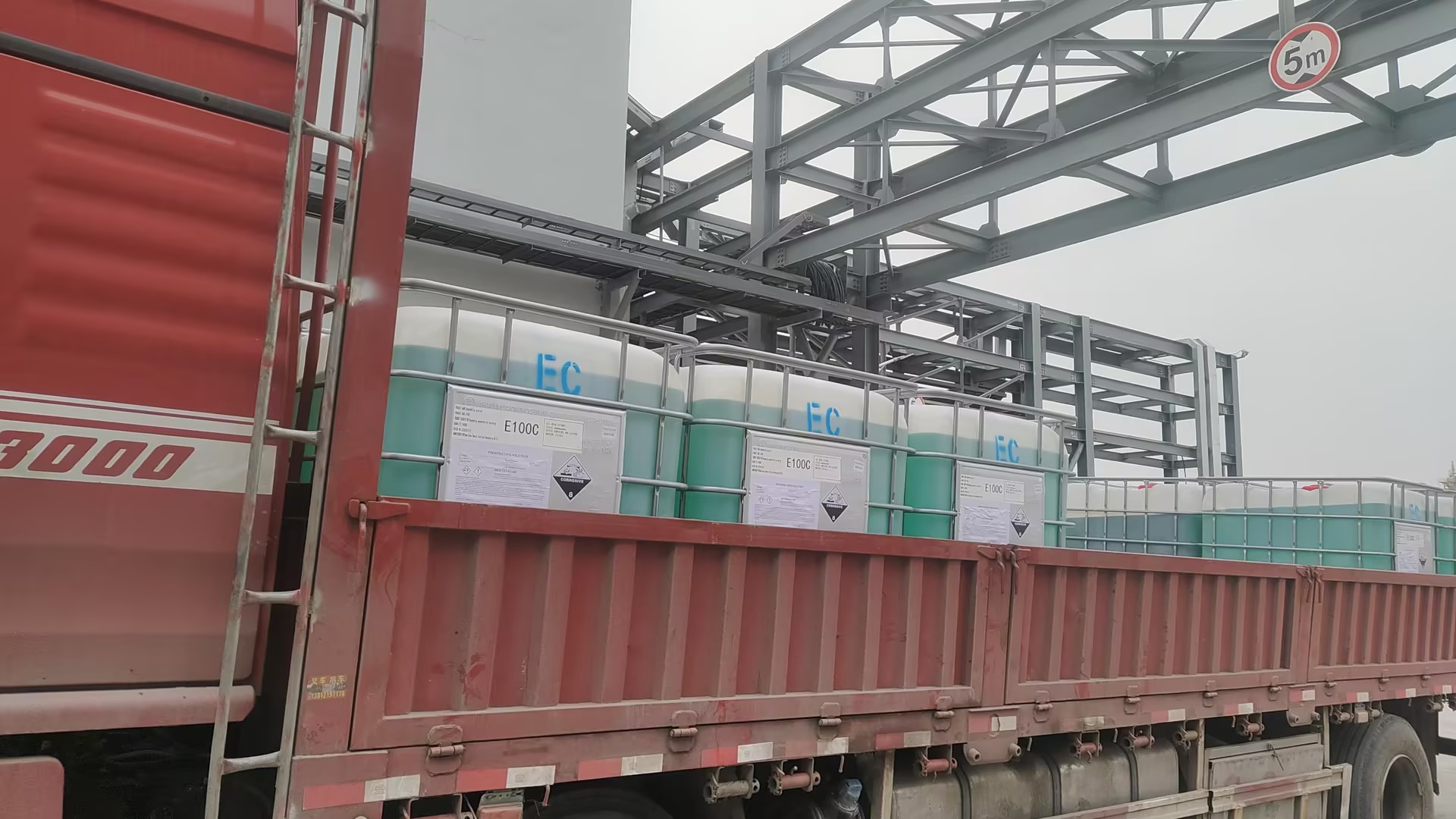
At Pino, we regard quality as the foundation of our business.As a manufacturer o...
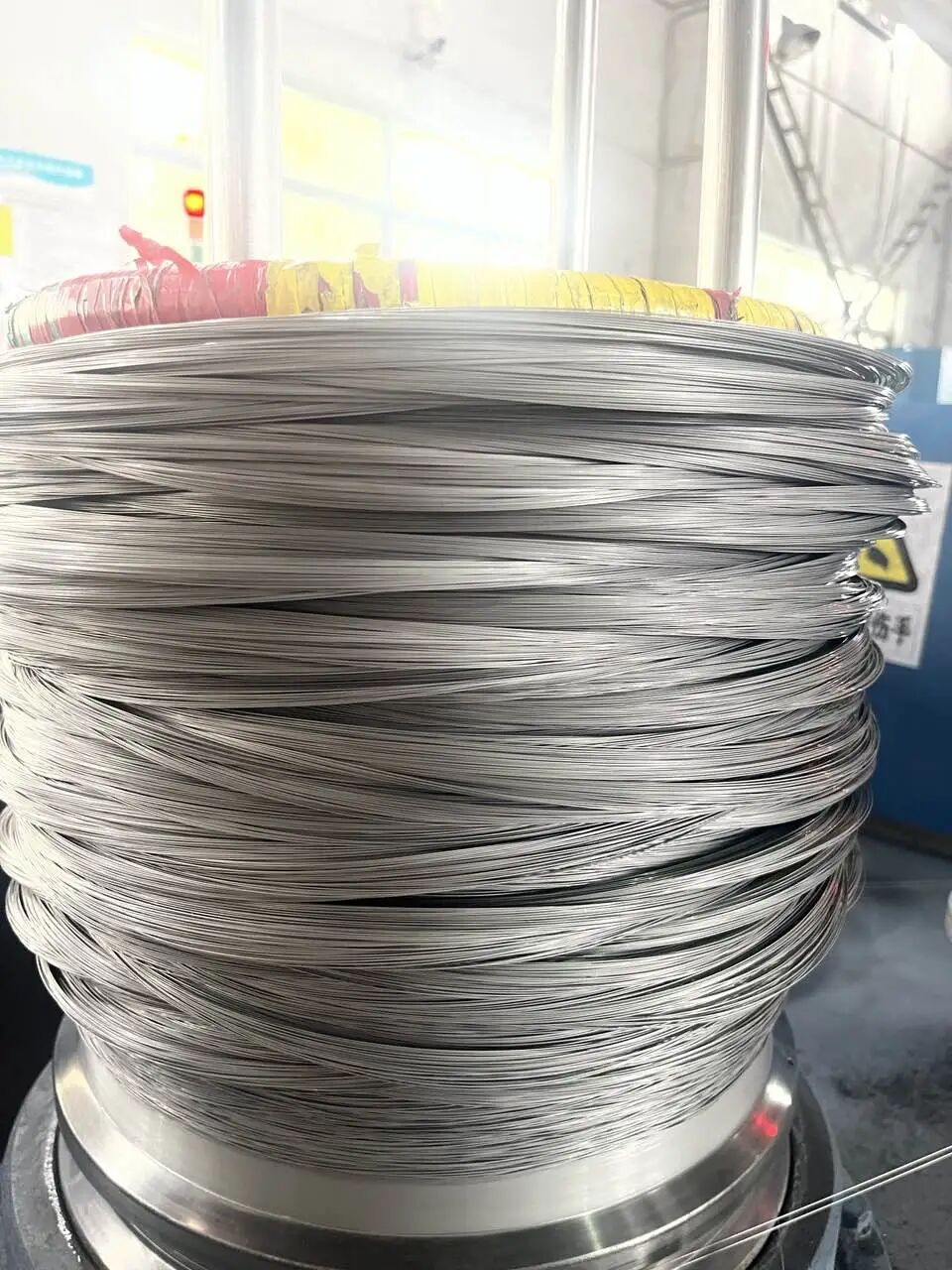
For manufacturers producing stainless steel spring wire, choosing the right wire...
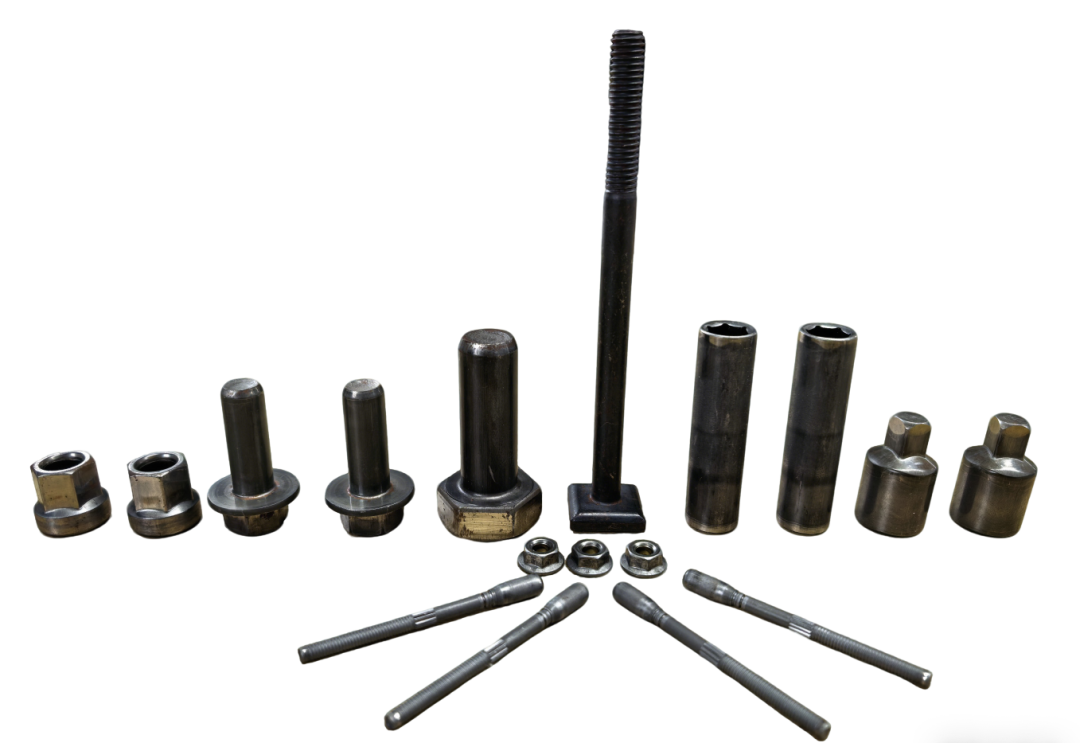
Cold heading wire is widely used in the production of fasteners and precision me...
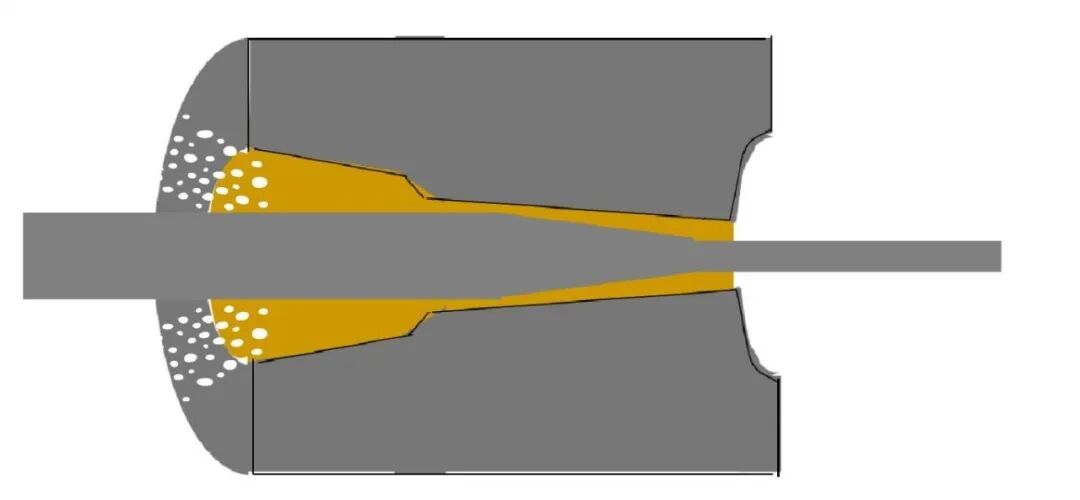
IntroductionWire drawing—the process of reducing the cross-section of metal rods...
We provide comprehensive wire production chemical solutions to global customers—from high-performance phosphating solutions to advanced dry wire drawing lubricants.