

News
Sep 24,2026
By:Pino
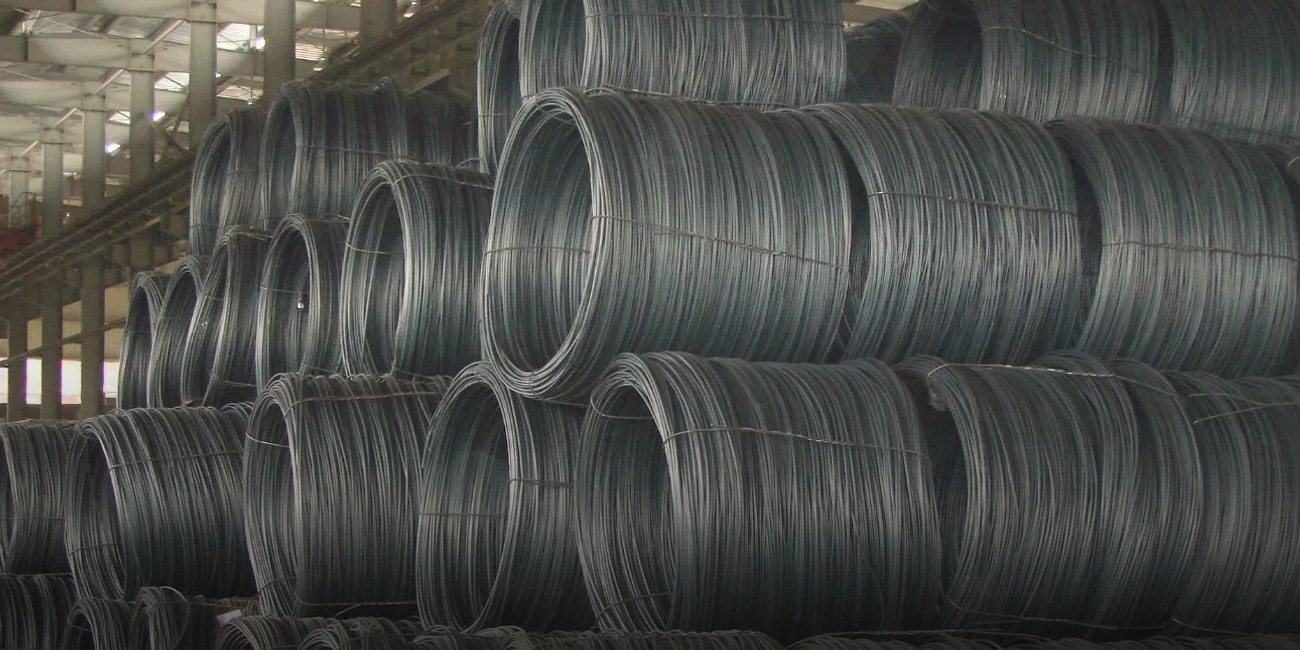
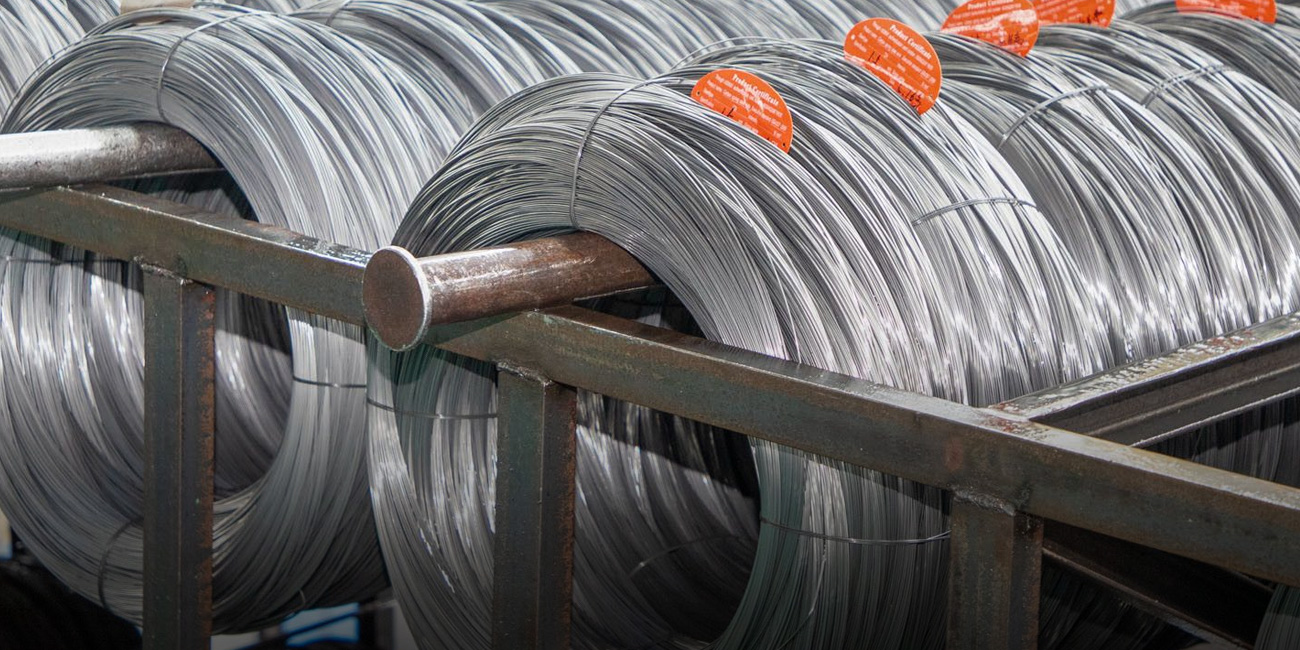
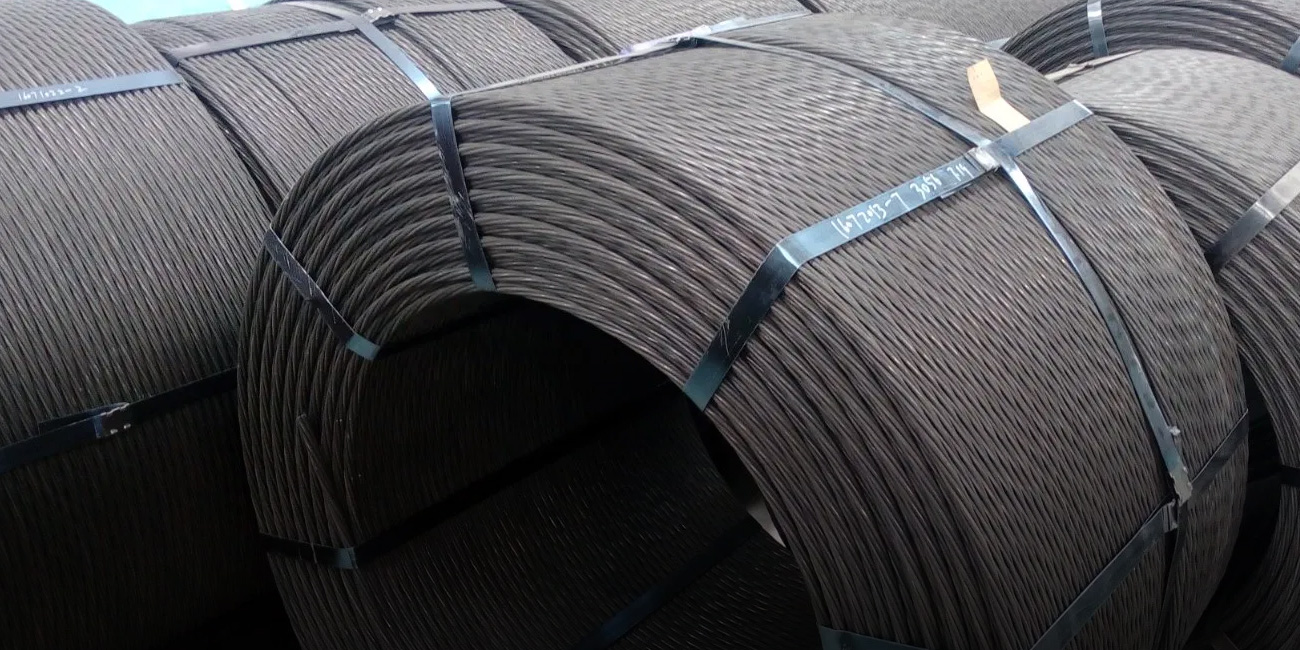
Steel wire is a simple-looking product, but behind a thin metal wire is a complete system of materials, deformation processes, surface treatments, lubrication, heat treatment and application technologies.
If we look at steel wire technology from a simplified perspective, its development can be understood through several fundamental technologies.
Steel wire has a long history. Early forms of wire were developed for applications such as needles, chains and protective equipment. With the development of metalworking technology, wire drawing gradually became an important method for producing fine metal wire.
Modern steel wire manufacturing is far more complex than traditional wire drawing.
Today, steel wire production may involve:
Cold rolling
Pickling
Mechanical descaling
Phosphating
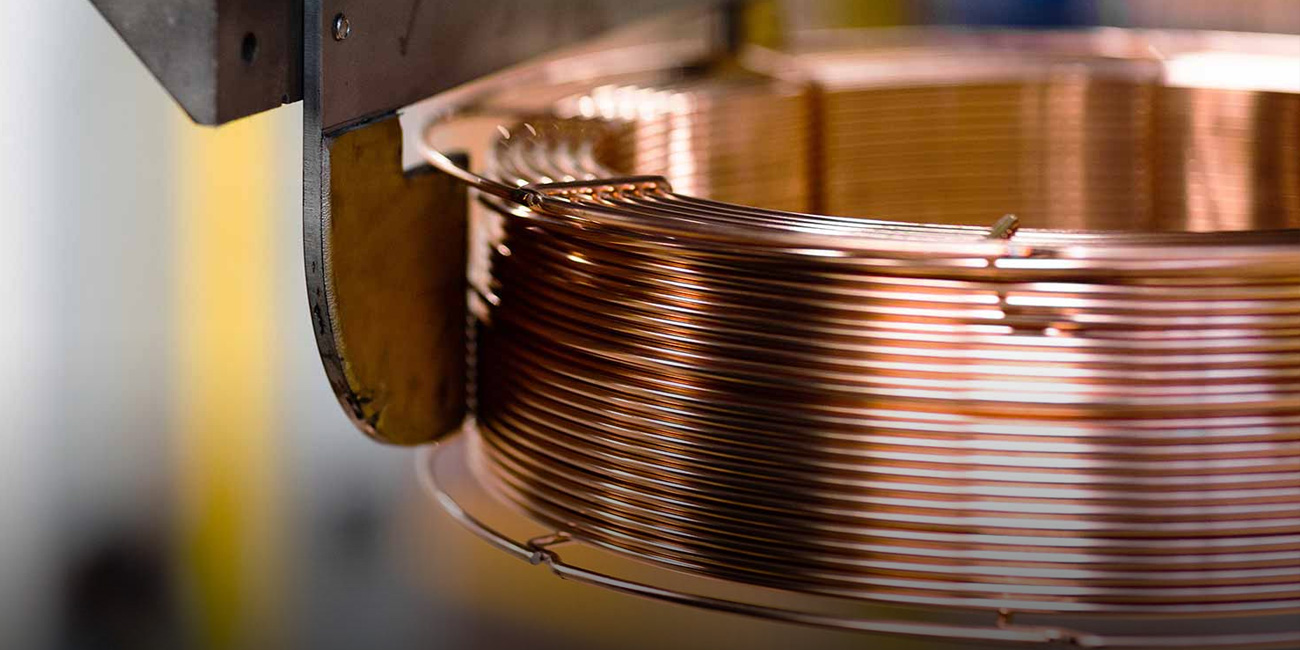
Copper plating
Zinc plating
Coating and diffusion treatment
Nickel plating
Non-reactive coatings
Wire drawing
Annealing
Patenting and other heat treatments
Stranding
Wire rope manufacturing
The increasing complexity of steel wire technology comes from two factors: the diversification of industrial requirements and continuous advances in materials and manufacturing technology.
At its core, steel wire technology is closely related to two fundamental areas:
Material technology and metal deformation technology.
The development of steel materials is largely driven by market requirements and advances in steelmaking.
For steel wire manufacturers, deformation technology is the process of changing the shape and dimensions of metal. Common deformation processes include:
Wire drawing
Rolling
Bending
Torsion
Cold heading
Among these processes, cold wire drawing is one of the most important technologies for producing metal wire with smaller diameters and precise dimensions.
During wire drawing, steel wire is pulled through a die to reduce its cross-sectional area and increase its length. The process may be repeated through multiple drawing passes to achieve the required diameter, mechanical properties and surface quality.
The second layer of steel wire technology consists of technologies developed to make metal deformation more efficient and reliable.
Before wire drawing, steel wire often requires surface preparation.
Processes such as pickling and phosphating can remove surface oxides and create a suitable surface condition for subsequent deformation and lubrication.
For many steel wire applications, the surface treatment is closely connected to the drawing process because it affects lubrication, surface quality and drawing performance.
Metal deformation changes the microstructure and mechanical properties of steel.
Intermediate annealing or other heat treatment processes can restore the deformation capacity of the material and allow further processing.
Depending on the steel grade and final application, different heat treatment routes may be used to obtain the required combination of strength, ductility and fatigue performance.
Lubrication is another essential part of the wire drawing process.
During drawing, the steel wire and drawing die are subjected to friction and pressure. A suitable wire drawing lubricant helps reduce friction, control heat generation, protect the die and improve surface quality.
For dry wire drawing processes, the selection and application of drawing powder must match the steel grade, drawing reduction, die configuration and production conditions.
Wire drawing generates heat.
Effective cooling helps control the temperature of the wire, lubricant and tooling, reducing the risk of lubricant failure, excessive wear and die damage.
Therefore, surface preparation, lubrication and cooling should not be considered as isolated processes. They work together as part of the overall wire drawing system.
A fourth category of technology is developed to meet the requirements of specific end applications.
Different steel wire products have different performance requirements.
For example:
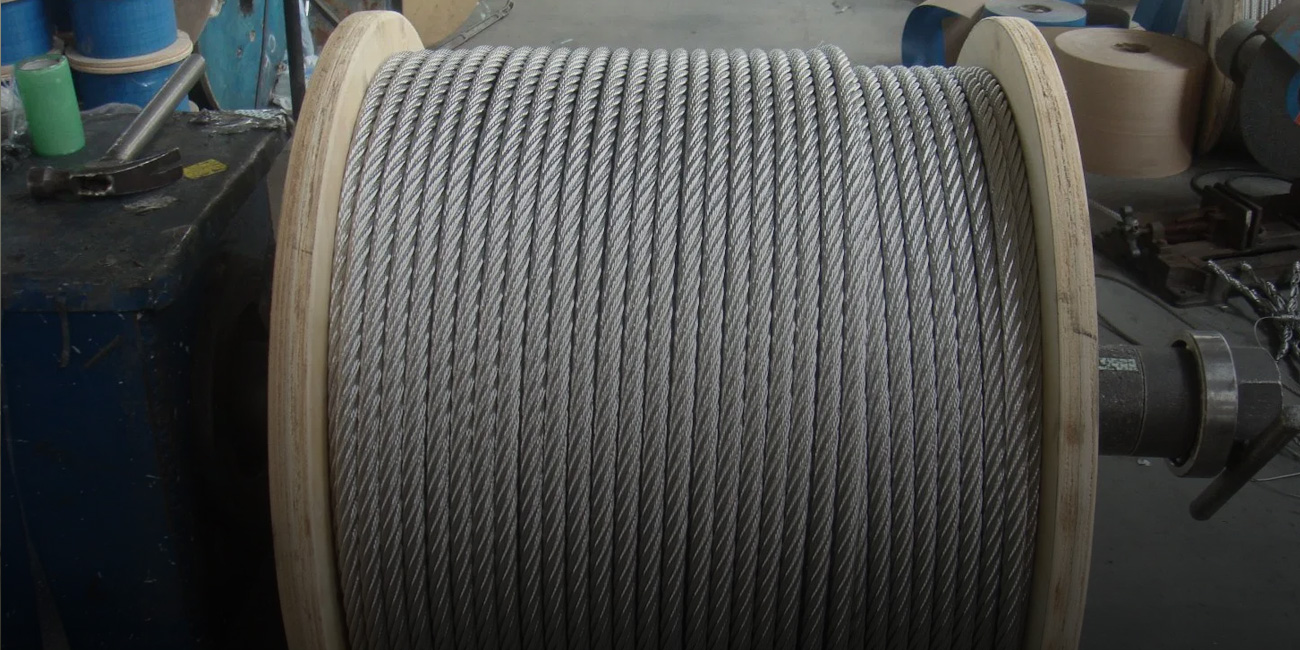
Elevator ropes require specific tension and dimensional stability to achieve reliable positioning.
Cold heading wire requires suitable mechanical properties and surface conditions for subsequent cold forming.
Steel cord requires surface treatment that enables strong adhesion between steel and rubber.
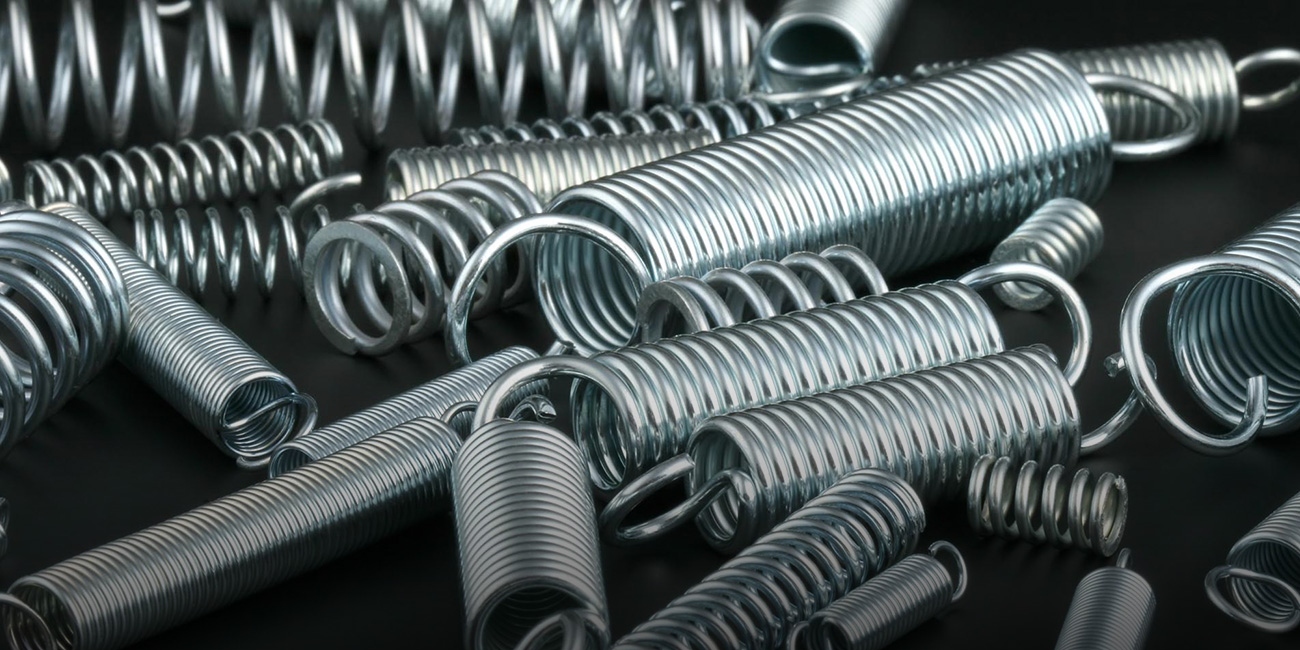
Spring wire requires controlled mechanical properties, straightness and dimensional stability for consistent spring forming.
Oil-tempered spring wire may use controlled heating and cooling processes to obtain the required microstructure and fatigue performance.
This shows that steel wire technology does not end when the wire reaches the required diameter.
The final manufacturing process is often determined by what the wire will be used for.
Some fundamental technologies are difficult to replace because most steel wire products still depend on basic deformation processes such as drawing and rolling.
However, the supporting technologies continue to evolve.
Manufacturers are continuously looking for:
More efficient wire drawing lubricants
Longer die life
Better surface quality
More stable phosphating processes
Lower-temperature surface treatment
More environmentally friendly processes
More efficient heat treatment
Lower production costs
More consistent product quality
Some innovations are driven by direct production problems, while others are driven by environmental regulations, energy costs, safety requirements and changes in downstream applications.
At the same time, customer requirements continue to push steel wire manufacturers toward higher strength, better fatigue performance, improved surface quality and greater process stability.
Steel wire manufacturing may appear complicated because it involves many processes and technologies.
But from a broader perspective, the logic is relatively simple:
Materials determine what the wire can become.
Deformation processes determine its shape and dimensions.
Surface treatment and lubrication make deformation possible and controllable.
Heat treatment adjusts its mechanical properties.
Application-specific technologies make the final wire suitable for its intended use.
Understanding these relationships helps us look beyond individual processes and understand the complete steel wire production system.
For steel wire manufacturers, solving a production problem often requires more than changing a single chemical, lubricant or machine parameter. The material, surface condition, deformation process, lubrication, heat treatment and final application may all be connected.
That is why understanding the fundamentals of steel wire technology is important—not only for solving current production problems, but also for identifying opportunities for process improvement and technological innovation.
Steel wire is a relatively simple product in appearance, but its manufacturing technology is the result of continuous development in materials science, metal forming, surface treatment, lubrication, heat treatment and application engineering.
A simple way to understand the industry is to start with the basics:
Material → Surface Preparation → Lubrication → Deformation → Heat Treatment → Application
By understanding how these technologies are connected, we can better understand the challenges of steel wire production and identify opportunities to improve quality, efficiency and process stability.
Steel wire is a simple-looking product, but behind a thin metal wire is a comple...
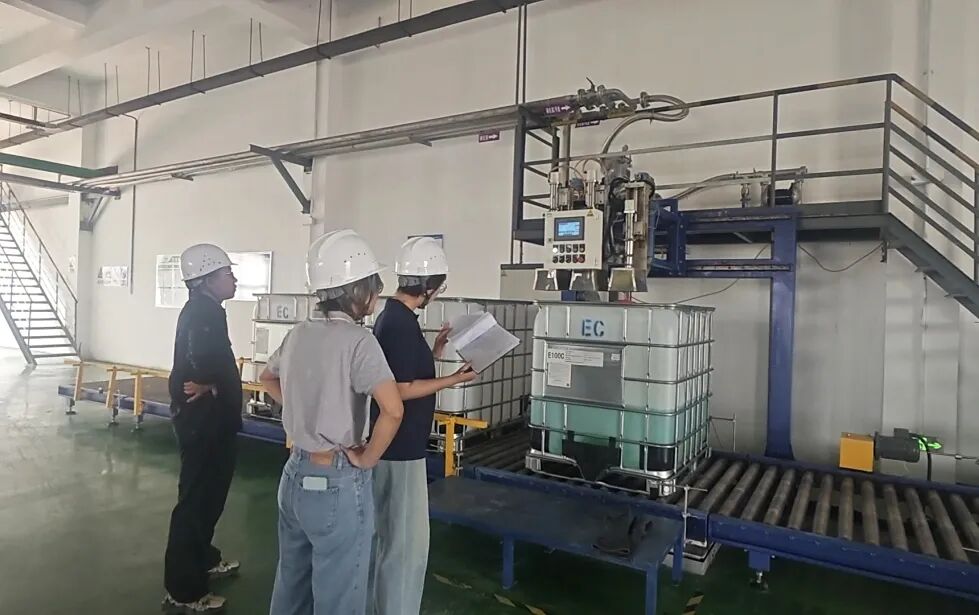
Recently, Pino welcomed an audit team from Bekaert, a global leader in the steel...
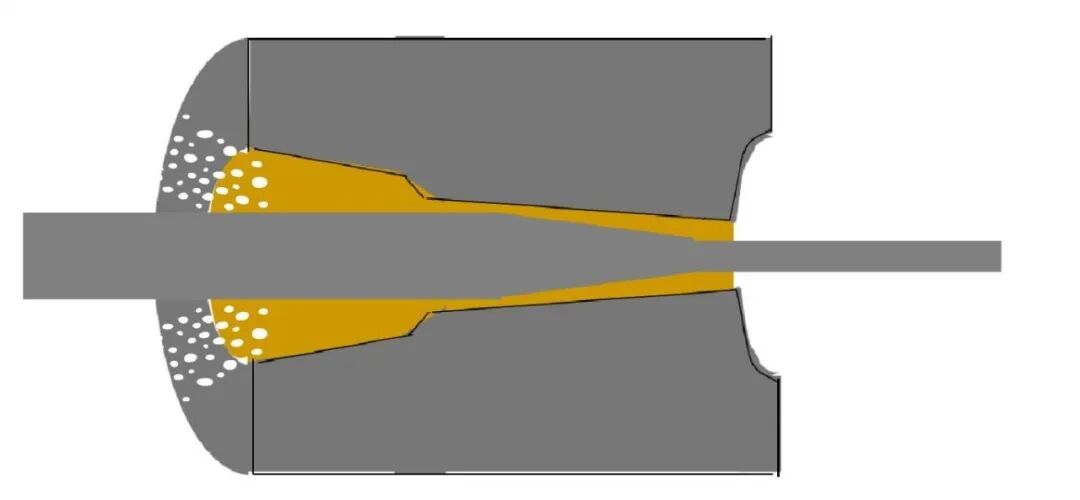
What is wire drawing lubricant? How has dry wire drawing lubricant evolved? And ...
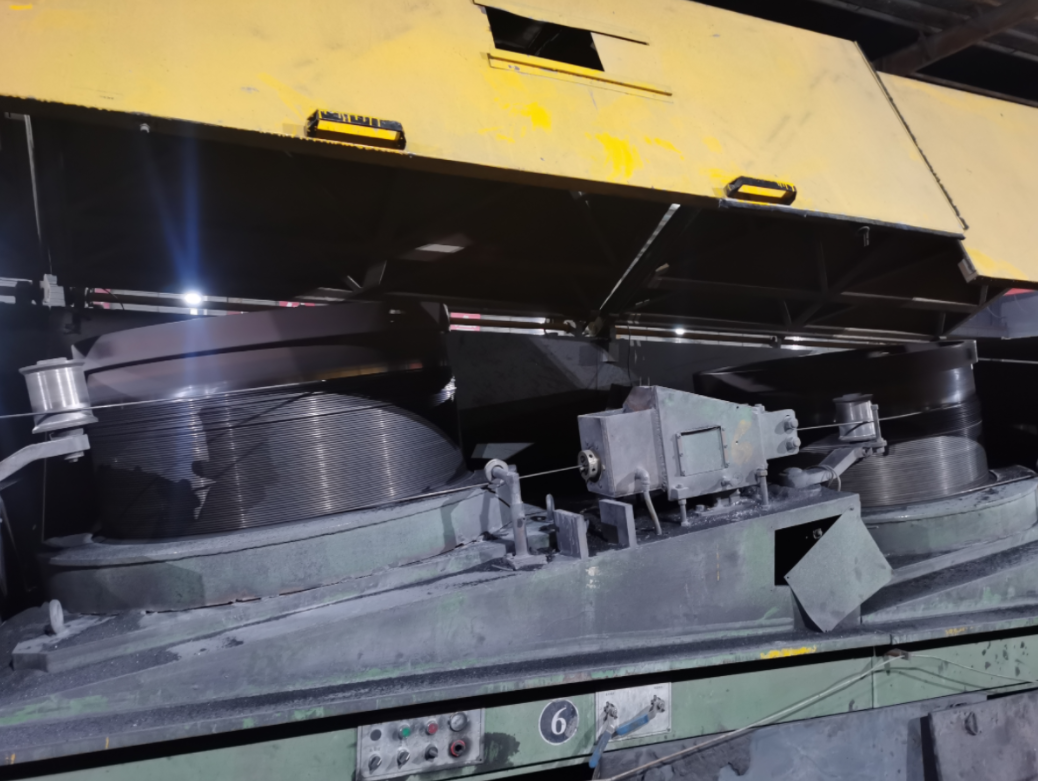
In the steel wire drawing process, the selection of wire drawing lubricant must ...
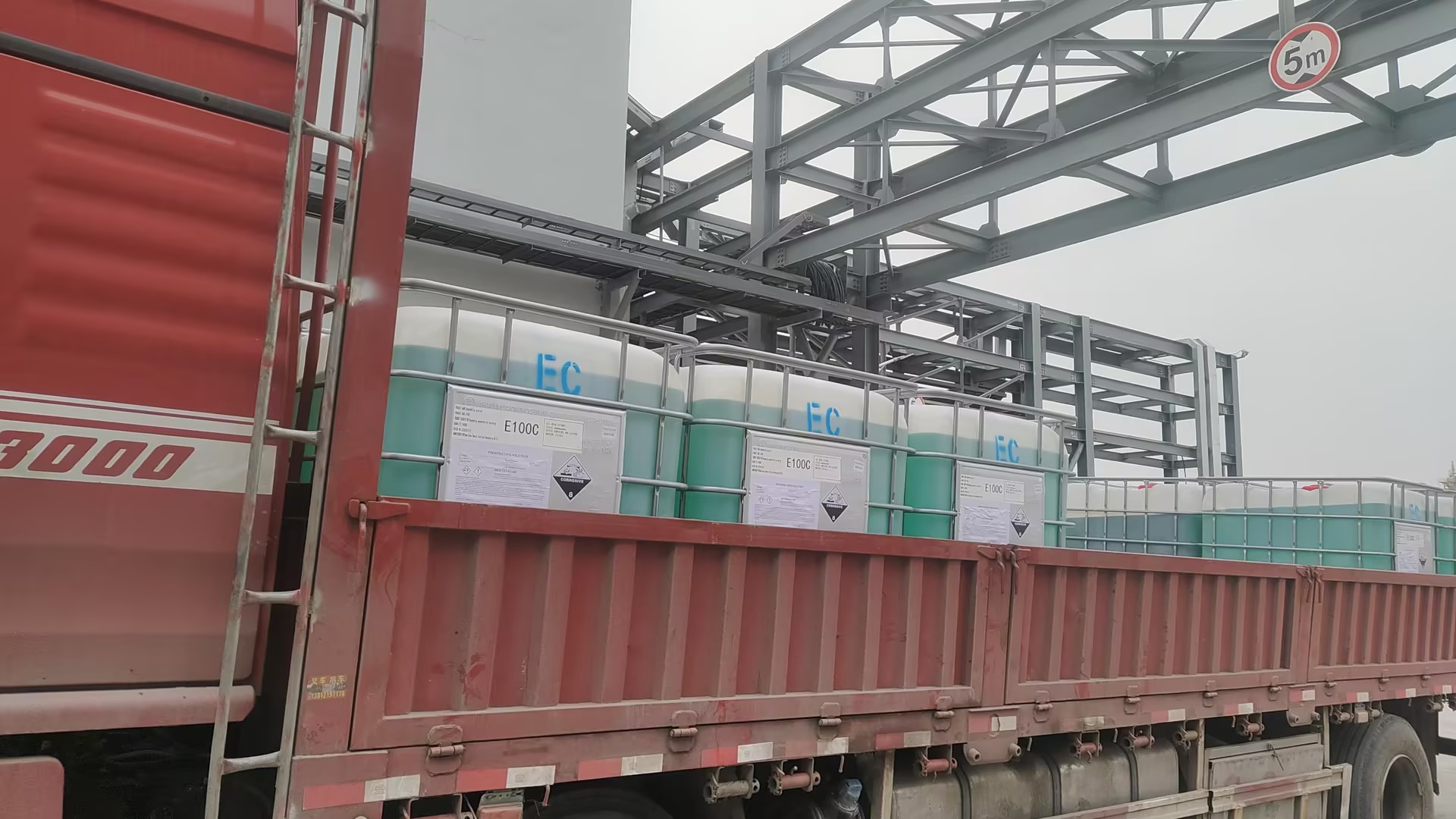
At Pino, we regard quality as the foundation of our business.As a manufacturer o...
We provide comprehensive wire production chemical solutions to global customers—from high-performance phosphating solutions to advanced dry wire drawing lubricants.