

News
Sep 18,2026
By:Pino
What is wire drawing lubricant? How has dry wire drawing lubricant evolved? And why does lubrication play such an important role in steel wire drawing?
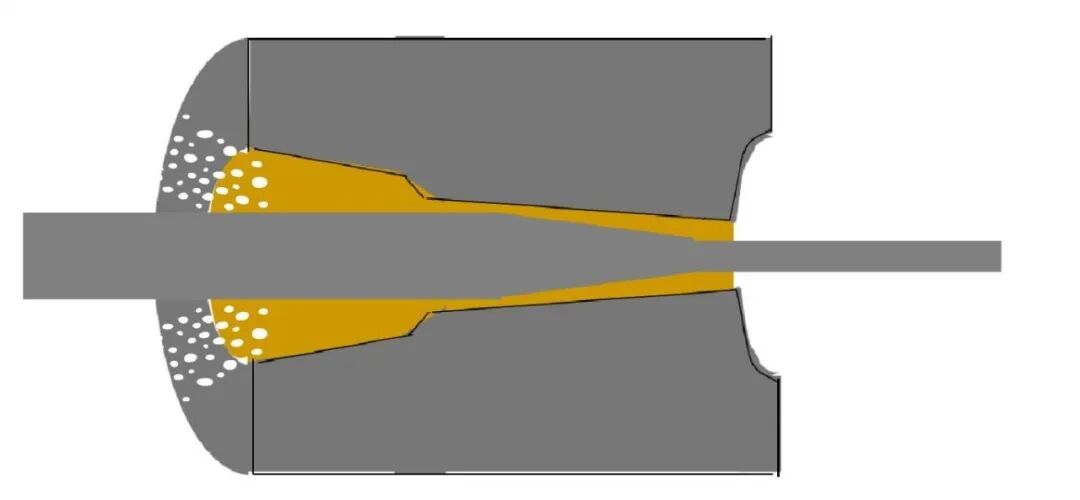
Wire drawing is a metal forming process in which a metal rod or wire is pulled through a drawing die to reduce its cross-sectional area or change its shape. The process relies on two essential pieces of equipment: the wire drawing machine and the drawing die.
One of the biggest challenges in wire drawing is friction.
Without effective lubrication, severe friction between the metal wire and the drawing die can result in excessive heat, increased drawing force, die wear, wire surface defects, and even wire breakage. As wire drawing technology has developed, lubrication has therefore become an essential part of the overall drawing process.
Today, wire drawing lubricants can generally be divided into three categories: wet lubricants, oil-based lubricants, and dry lubricants.
Among them, dry wire drawing lubricants, also commonly known as wire drawing powder or wire drawing soap, are widely used in steel wire drawing applications.
Let's take a look at how wire drawing lubricants have evolved over time.
The history of wire drawing can be traced back several centuries. During the early stages of the industry, wire drawing was mainly driven by manual labor or water power, and production speeds were relatively low.
Early wire drawing operations used simple materials to reduce friction between the wire and the die. Materials such as lime, flour, bran, and other natural substances were used in different applications.
Although these materials provided some degree of lubrication, their performance and consistency were limited.
As industrialization accelerated, the demand for metal wire increased rapidly. Telegraph wires, railway applications, electrical equipment, and mechanical products all required larger quantities of metal wire.
The development of mechanical wire drawing equipment brought higher production speeds and more demanding drawing conditions.
As a result, lubrication gradually evolved from a simple auxiliary material into an important process technology.
During the 19th century, the rapid development of telecommunications, railways, electricity, and mechanical manufacturing significantly increased demand for drawn metal wire.
At the same time, drawing machines and die materials continued to improve.
Higher drawing speeds and greater reductions increased friction and heat generation between the wire and die. This created new challenges for die life, wire surface quality, and production stability.
Different lubrication methods began to emerge for different drawing conditions, laying the foundation for the development of modern wet lubricants, oil-based lubricants, and dry wire drawing lubricants.
The evolution of drawing die materials also increased the need for lubricants that could provide more stable lubrication under higher loads.
During the 20th century, steel wire became increasingly important in applications such as steel wire rope, springs, welding wire, tire reinforcement, prestressed concrete, and other industrial products.
As the industry developed, mineral oils, emulsions, and other liquid lubricants were introduced into different metal drawing applications.
At the same time, phosphating technology began to be applied to certain steel wire drawing processes.
Phosphate coatings can form a conversion layer on the steel wire surface. Under appropriate process conditions, this layer can provide a base for subsequent lubricant retention and contribute to the overall lubrication system during drawing.
This led to the development of a process relationship between surface treatment, phosphating, and dry wire drawing lubricants in many steel wire applications.
During the same period, materials such as graphite, talc, and metal soaps were increasingly used in dry drawing lubrication.
By the middle of the 20th century, metal soap-based formulations became an important part of dry wire drawing lubrication.
Common metal soap materials used in wire drawing lubricants include:
Calcium stearate
Sodium stearate
Other metallic salts of fatty acids
These materials can form a lubricating film between the steel wire and the drawing die, helping to reduce friction and control the drawing process.
As industrial wire production became more sophisticated, wire drawing powder formulations evolved from relatively simple compositions toward multi-component and application-specific formulations.
Different steel grades and drawing conditions require different lubrication characteristics.
Carbon content, wire hardness, drawing speed, reduction per pass, die geometry, surface condition, and the number of drawing passes can all affect lubricant selection.
As a result, modern wire drawing powder is no longer simply a friction-reducing material. It has become an important process chemical closely connected with the wire, surface treatment, die, and drawing parameters.
Modern steel wire drawing covers a wide range of materials and applications, including:
High carbon steel wire
Low carbon steel wire
Spring wire
Steel cord
Wire rope
Welding wire
Cold heading wire
Stainless steel wire
Different materials have different carbon contents, mechanical properties, drawing reductions, and surface conditions. Therefore, their lubrication requirements can also be significantly different.
For example, high carbon steel wire, steel cord, and spring wire generally require strong load-carrying and lubrication performance under demanding drawing conditions.
Low carbon steel wire and welding wire may require different lubrication characteristics depending on the drawing process.
Stainless steel wire also presents specific challenges because of its material properties and processing conditions.
Therefore, choosing a wire drawing lubricant should not be based solely on the product name or price. The lubricant needs to match the specific wire material and drawing process.
For many steel wire drawing processes, surface preparation is an important part of the lubrication system.
In a typical phosphating-and-drawing process, steel wire undergoes surface treatment before drawing. A phosphate coating is formed on the wire surface under controlled process conditions.
The phosphate layer can provide a porous and adherent surface structure that helps retain the subsequent drawing lubricant.
The drawing lubricant then works together with the surface coating during the drawing process.
This means that drawing performance does not depend on the wire drawing powder alone.
A complete process can be understood as:
Steel Wire → Surface Preparation → Phosphating → Dry Wire Drawing Lubricant → Drawing Die → Drawing Parameters
These stages are closely related.
When problems such as wire surface brightness, scratches, abnormal drawing force, accelerated die wear, excessive lubricant consumption, or wire breakage occur, it is often necessary to evaluate the entire process rather than simply changing the drawing powder.
As steel wire production moves toward higher speeds, continuous processing, and tighter quality requirements, wire drawing lubricants are also facing new technical challenges.
Several trends are becoming increasingly important.
High-speed and multi-pass drawing processes place greater demands on the load-carrying capacity and thermal stability of the lubricant.
A modern wire drawing lubricant needs to perform consistently under different drawing conditions and help reduce frequent adjustments and lubricant changes.
Surface appearance and quality are important indicators in many steel wire applications.
Problems such as abnormal brightness, longitudinal scratches, surface damage, or lubricant residue may be associated with lubrication and surface treatment conditions.
Therefore, modern dry wire drawing lubricants need to contribute not only to friction control but also to stable surface quality.
Dry lubricants are supplied in powder form, so dust generation during handling and drawing is an important consideration for production environments.
Reducing dust and improving workplace conditions will continue to be an important direction for wire drawing lubricant development.
Future wire drawing lubricants will increasingly be designed according to specific combinations of:
wire material + carbon content + drawing speed + reduction + die geometry + surface treatment + production requirements.
Instead of using one general-purpose formulation for every application, lubricant selection and formulation are becoming increasingly application-specific.
From simple lubrication materials used centuries ago to today's engineered dry wire drawing lubricants, the development of wire drawing lubrication reflects the evolution of metal processing technology.
Modern wire drawing lubrication is no longer simply about reducing friction.
It involves multiple factors, including:
lubrication performance, drawing force, die life, wire surface quality, lubricant consumption, production stability, and working conditions.
For steel wire manufacturers, the most suitable wire drawing lubricant is not necessarily the product with the highest performance in isolation.
Instead, it should be the lubricant that matches the specific wire material, surface treatment, drawing die, and production process.
As the steel wire industry continues to pursue higher efficiency, better quality, lower consumption, and cleaner production, dry wire drawing lubricants will continue to evolve through improvements in materials, formulations, and application technology.
From reducing friction to optimizing the drawing process, wire drawing lubrication is evolving from a single material into an integrated process solution.

What is wire drawing lubricant? How has dry wire drawing lubricant evolved? And ...
In the steel wire drawing process, the selection of wire drawing lubricant must ...
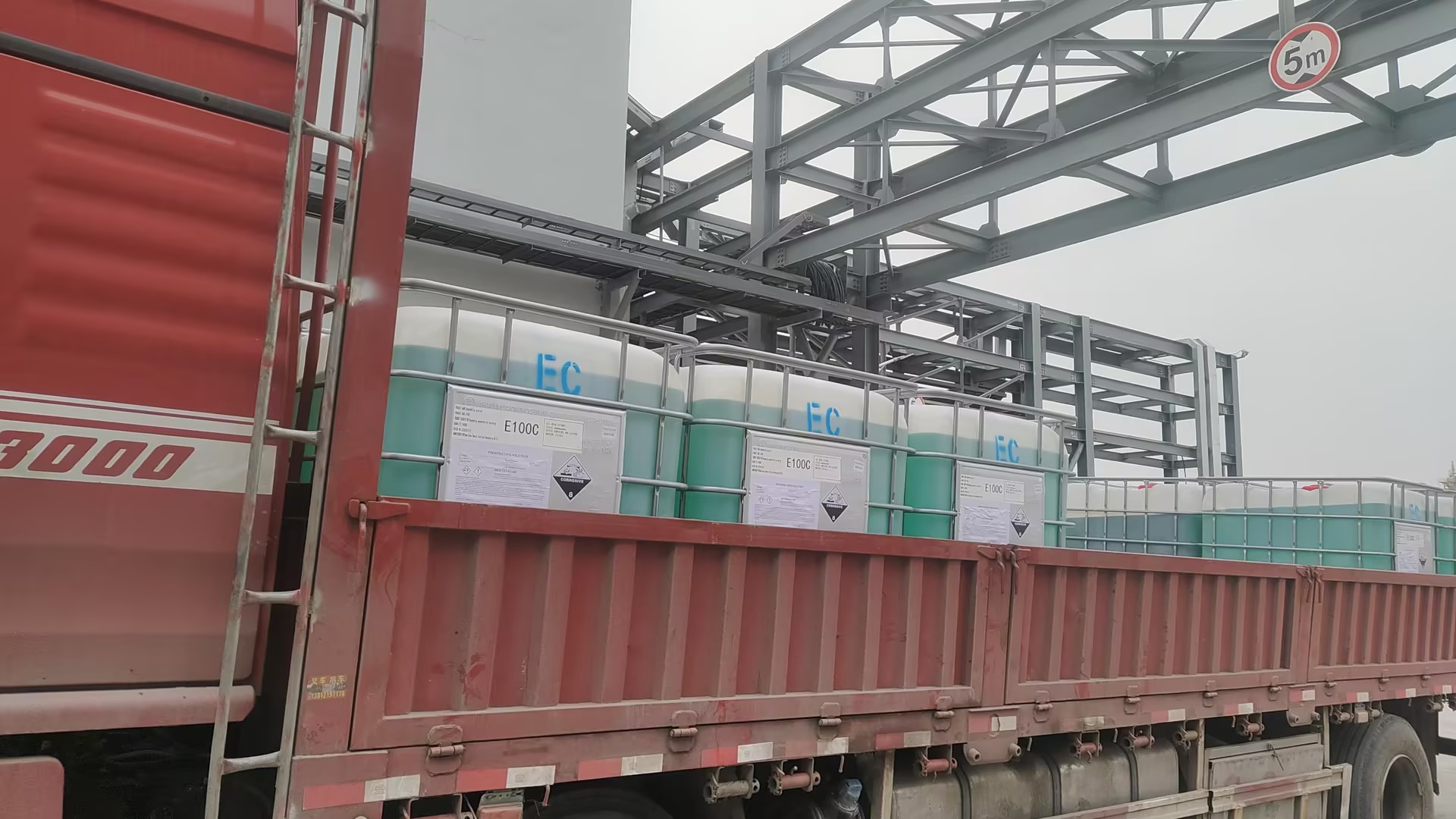
At Pino, we regard quality as the foundation of our business.As a manufacturer o...
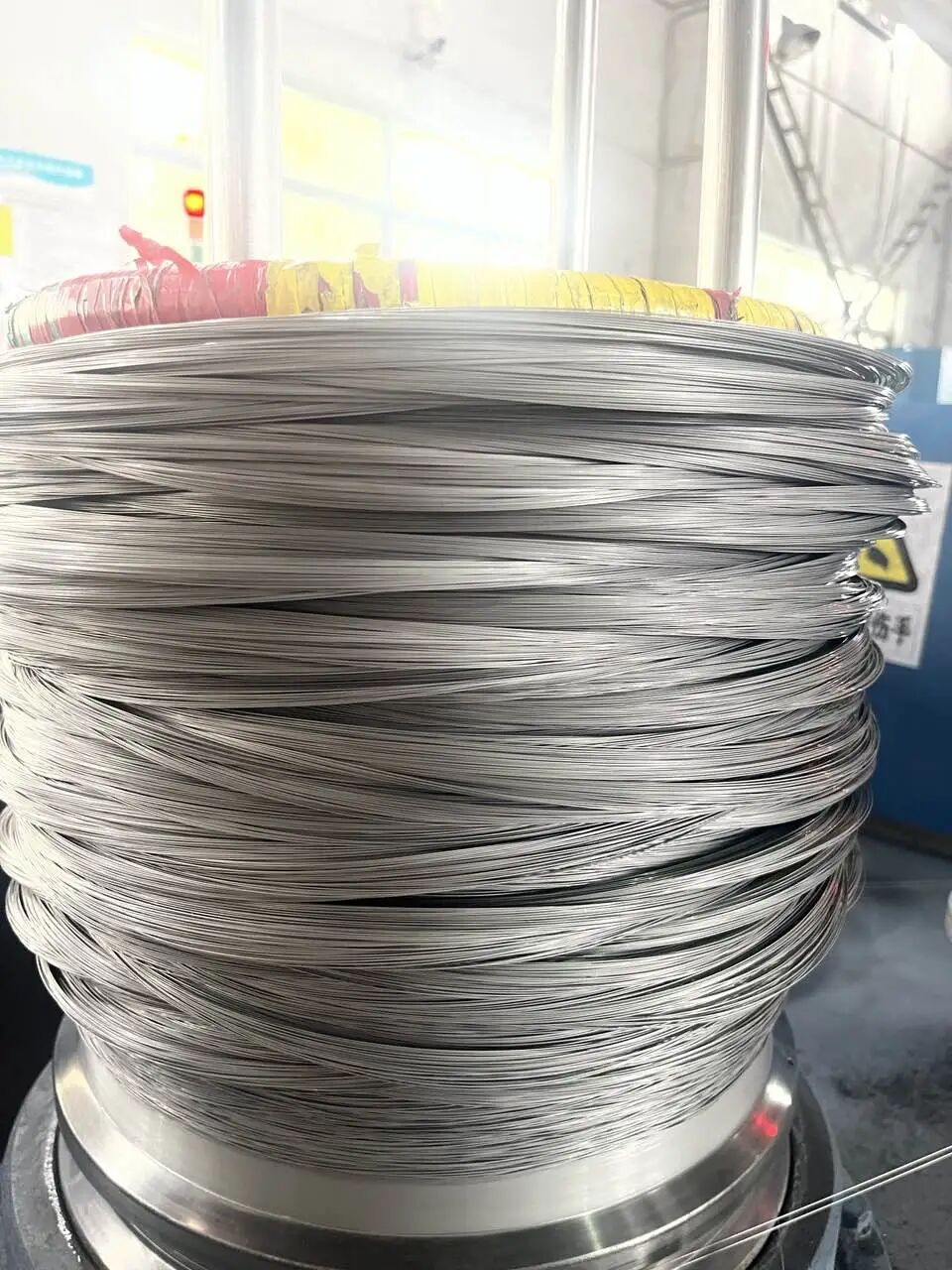
For manufacturers producing stainless steel spring wire, choosing the right wire...
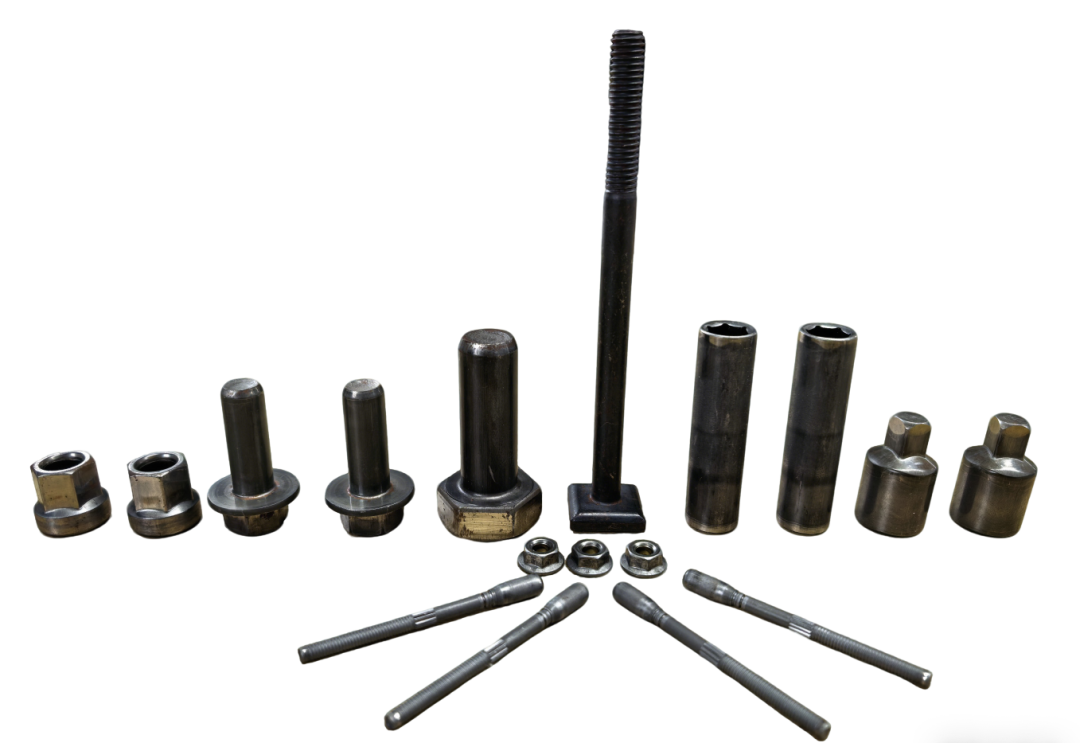
Cold heading wire is widely used in the production of fasteners and precision me...
We provide comprehensive wire production chemical solutions to global customers—from high-performance phosphating solutions to advanced dry wire drawing lubricants.