

News
Sep 14,2026
By:Pino
In the steel wire drawing process, the selection of wire drawing lubricant must match the characteristics of the wire material.
Different wire materials have different carbon contents, hardness levels, and drawing process requirements. Therefore, the right dry wire drawing lubricant should be selected according to the specific wire material.
So, how should you choose a wire drawing lubricant for different types of wire?
Let's find out through a simple Q&A.
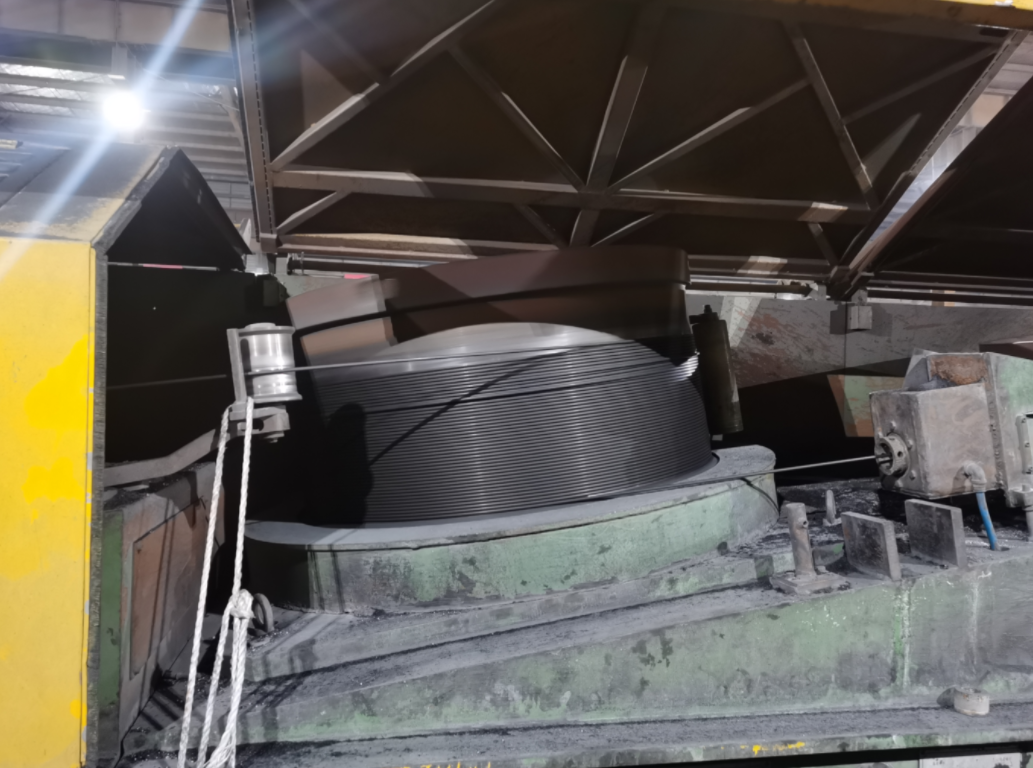
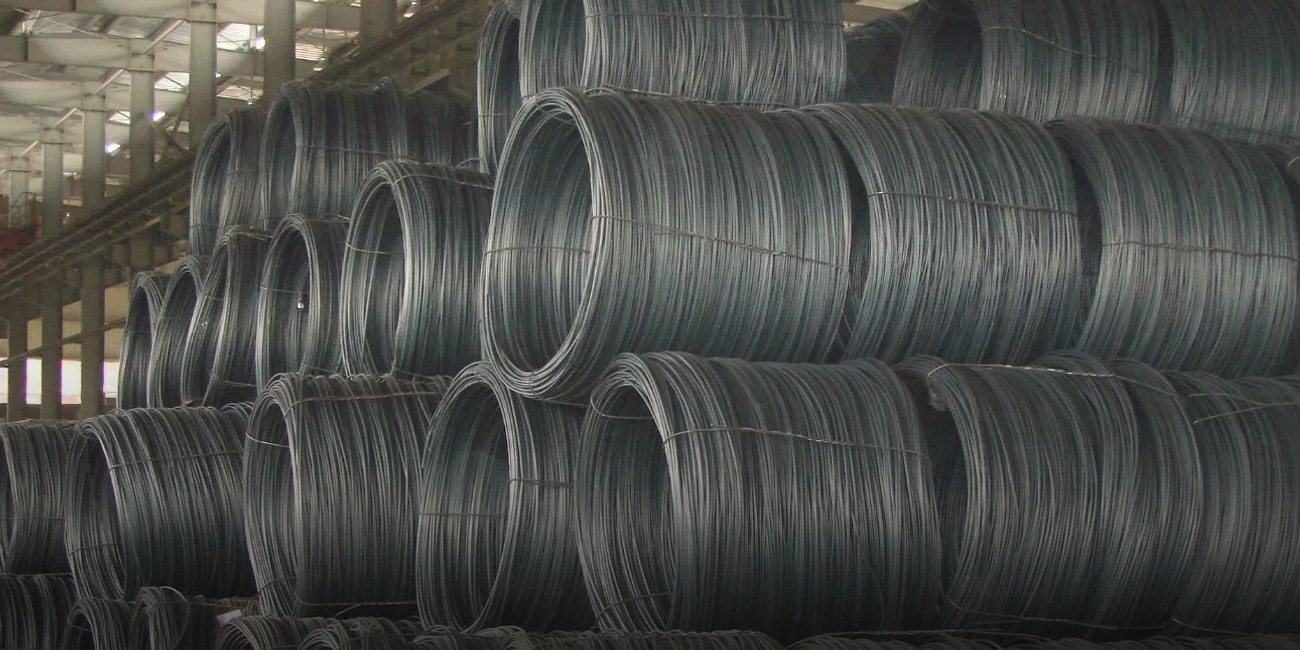
Wire materials can generally be classified into medium- and low-carbon steel, high-carbon steel, and alloy steel based on their carbon content.
Different types of wire have different drawing difficulties and therefore different requirements for wire drawing lubricants.
Medium- and low-carbon steel contains less carbon. The material is relatively softer, with lower drawing resistance and a relatively simple drawing process.
High-carbon steel and alloy steel generally have higher hardness and greater drawing resistance, making the drawing process more demanding.
Therefore, the selection of a wire drawing lubricant needs to match the specific characteristics of the wire material.
High-carbon steel has a relatively high carbon content, so its hardness is also relatively high.
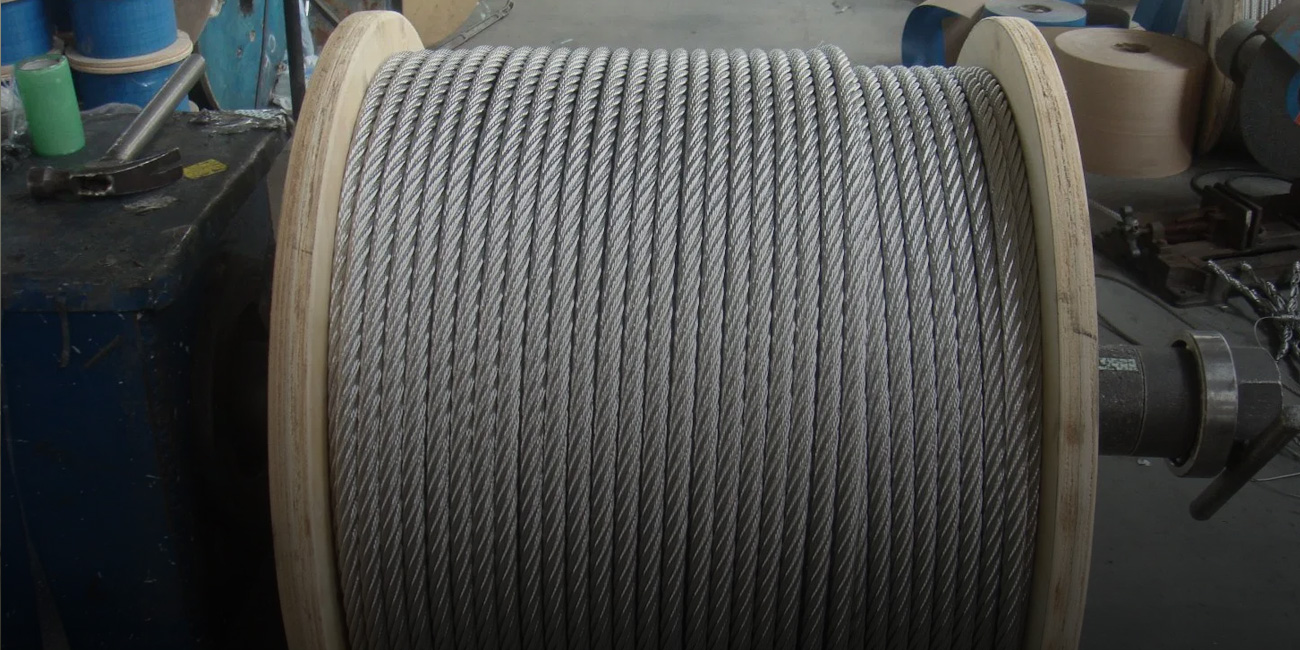
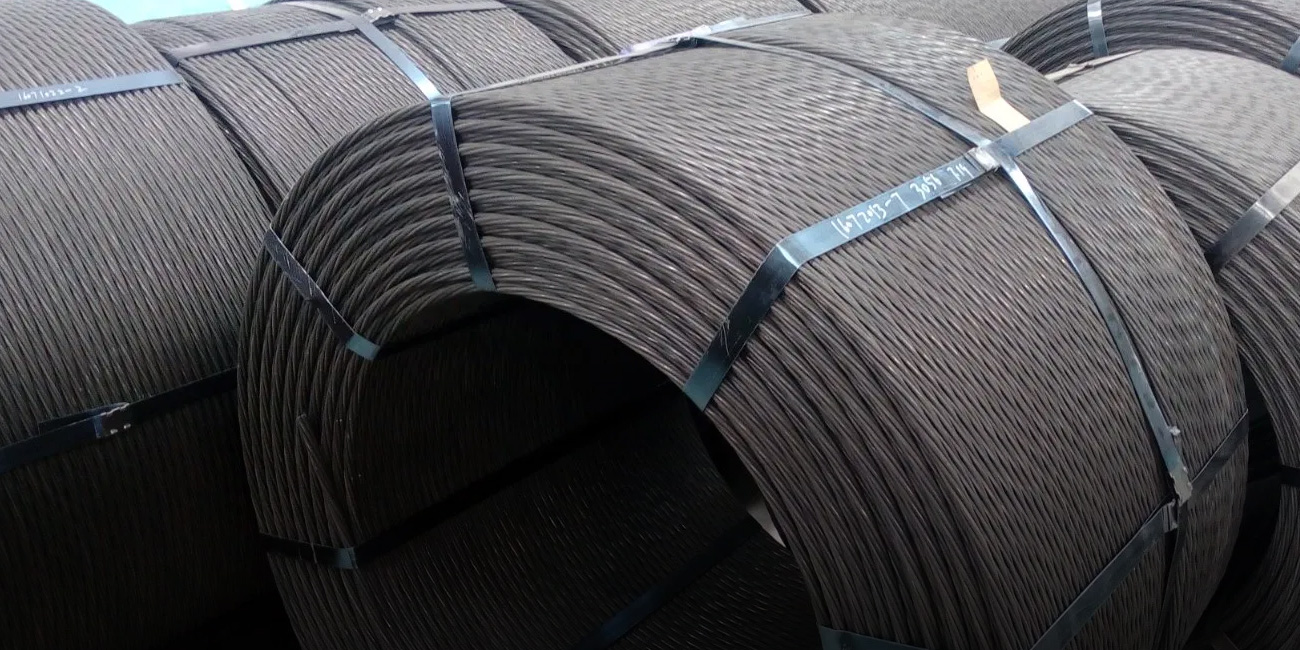
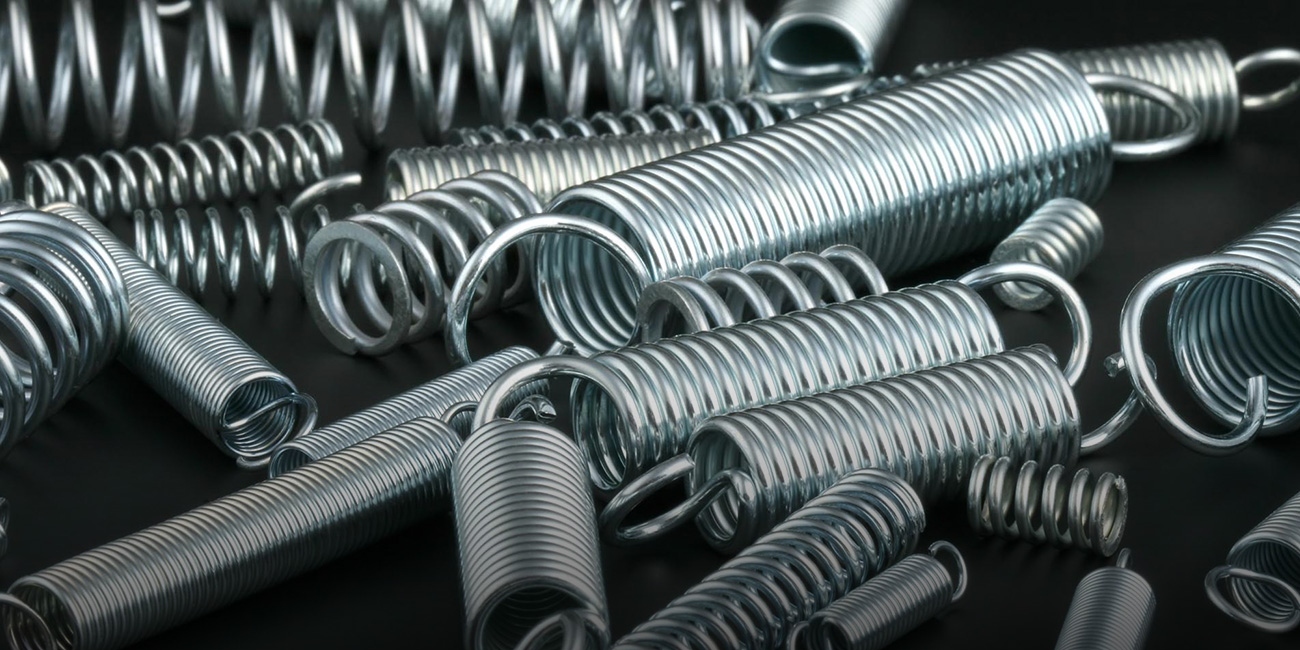
For applications such as steel wire rope and spring wire, we use wire drawing lubricants with medium to high oil and grease content, together with a combination of calcium soap and sodium soap.
This type of lubricant is selected according to the higher lubrication requirements of high-carbon steel wire drawing.
For stainless steel wire, fillers are added to the wire drawing lubricant.
The purpose is to provide sufficient load-bearing capacity during the drawing process.
At the same time, the fillers can further improve the lubrication performance of the lubricant.
Therefore, when selecting a lubricant for stainless steel wire drawing, both load-bearing capacity and lubrication should be considered.
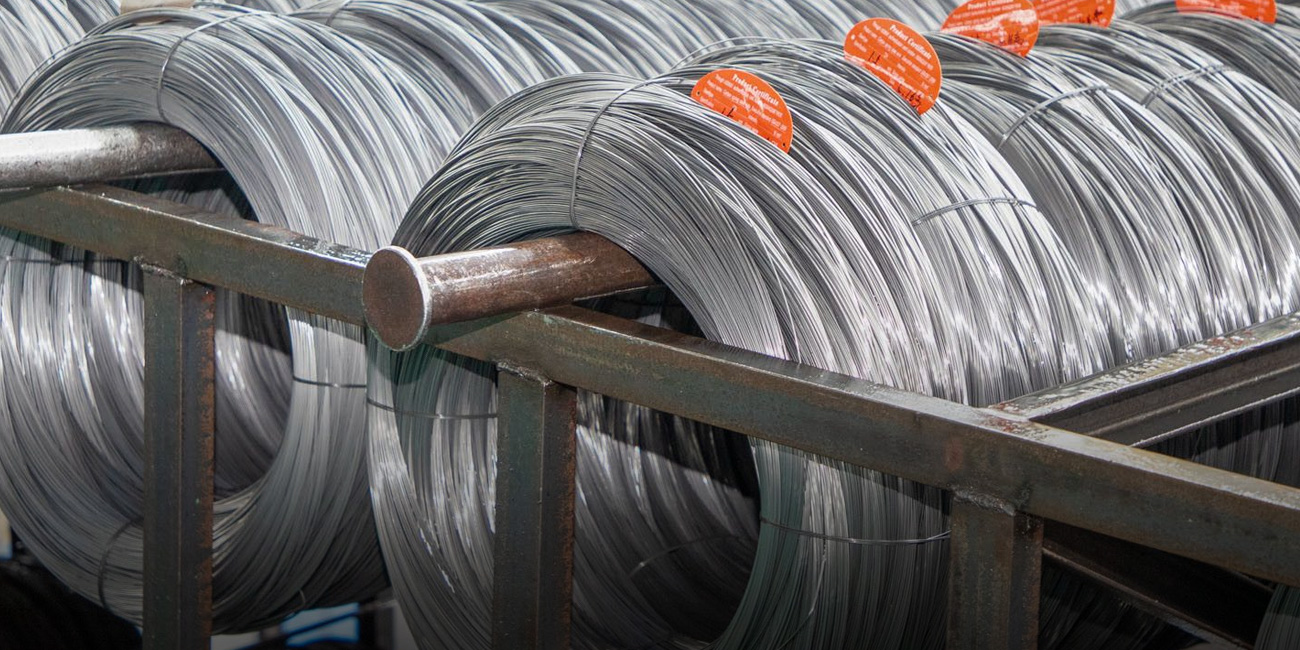
For low-carbon steel wire, welding wire, iron wire, and similar applications, the main focus is on cost-effectiveness and smooth lubrication.
If the lubricant is sufficient for the application, that is enough.
The selection should therefore balance the required lubrication performance with the economics of the drawing process.
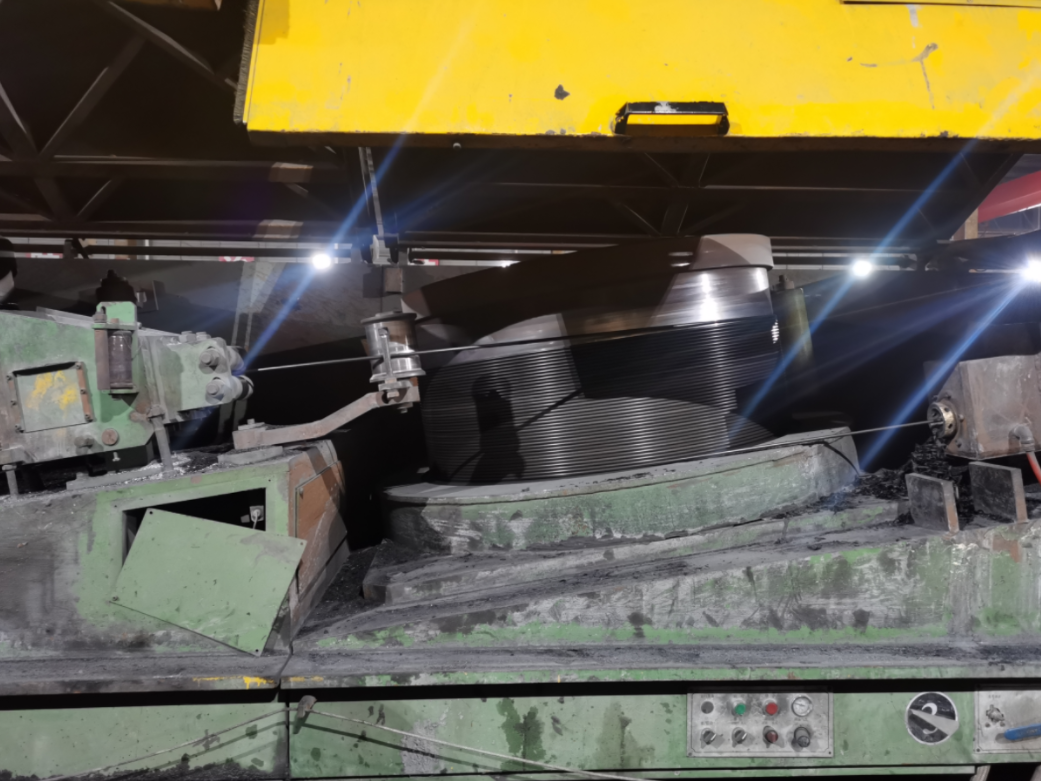
Wire material is an important factor, but it is not the only consideration.
When selecting a wire drawing lubricant, factors such as:
Wire drawing speed
Die material
Temperature control
Cleaning process
should also be considered.
A suitable lubricant should match both the wire material and the drawing process.
Pino provides customized wire drawing lubricant solutions for different types of wire and drawing processes.
By matching the lubricant to the wire material and production requirements, Pino helps customers achieve higher productivity and lower process losses.
Pino — Wire Drawing Lubricant and Phosphating Solution Manufacturer
Have a chemical challenge? Talk to Pino.
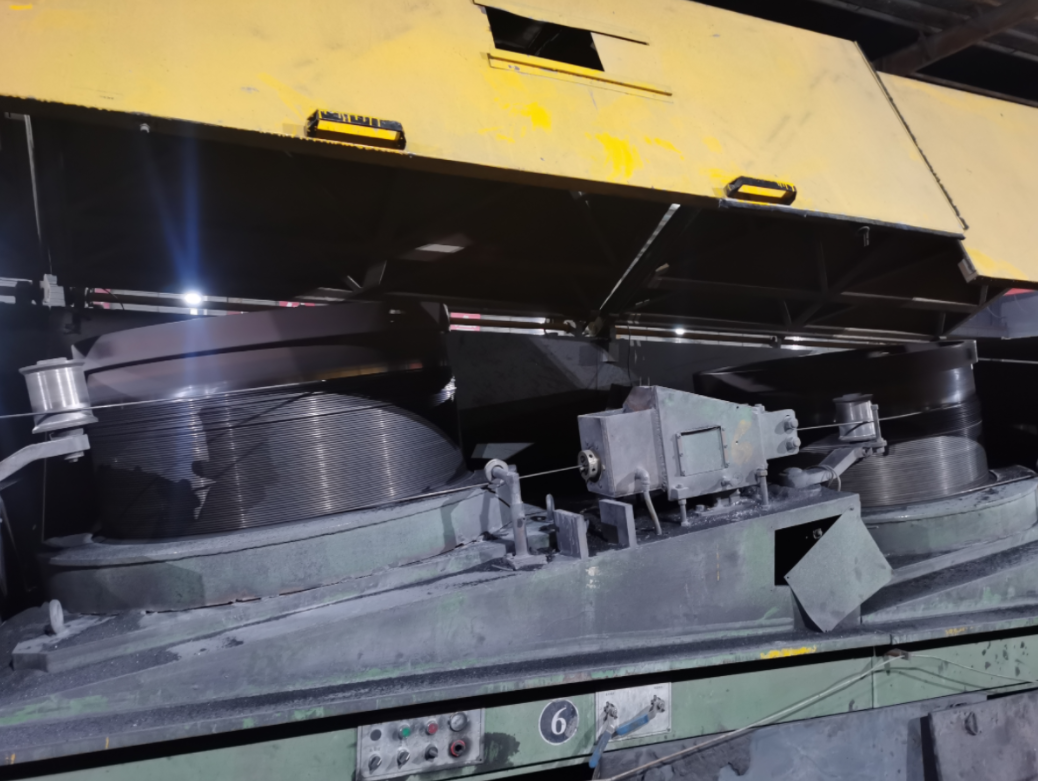
In the steel wire drawing process, the selection of wire drawing lubricant must ...
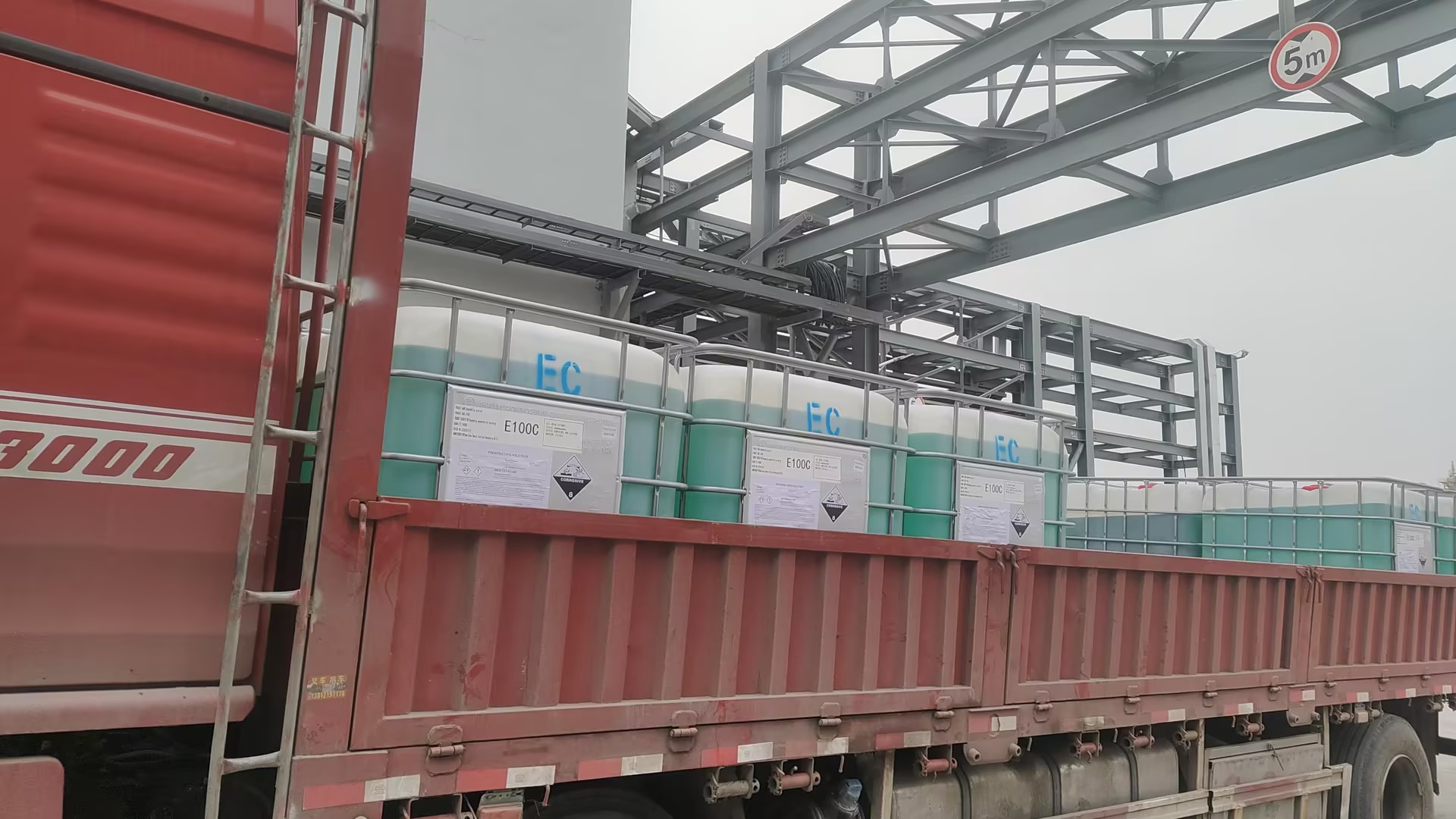
At Pino, we regard quality as the foundation of our business.As a manufacturer o...
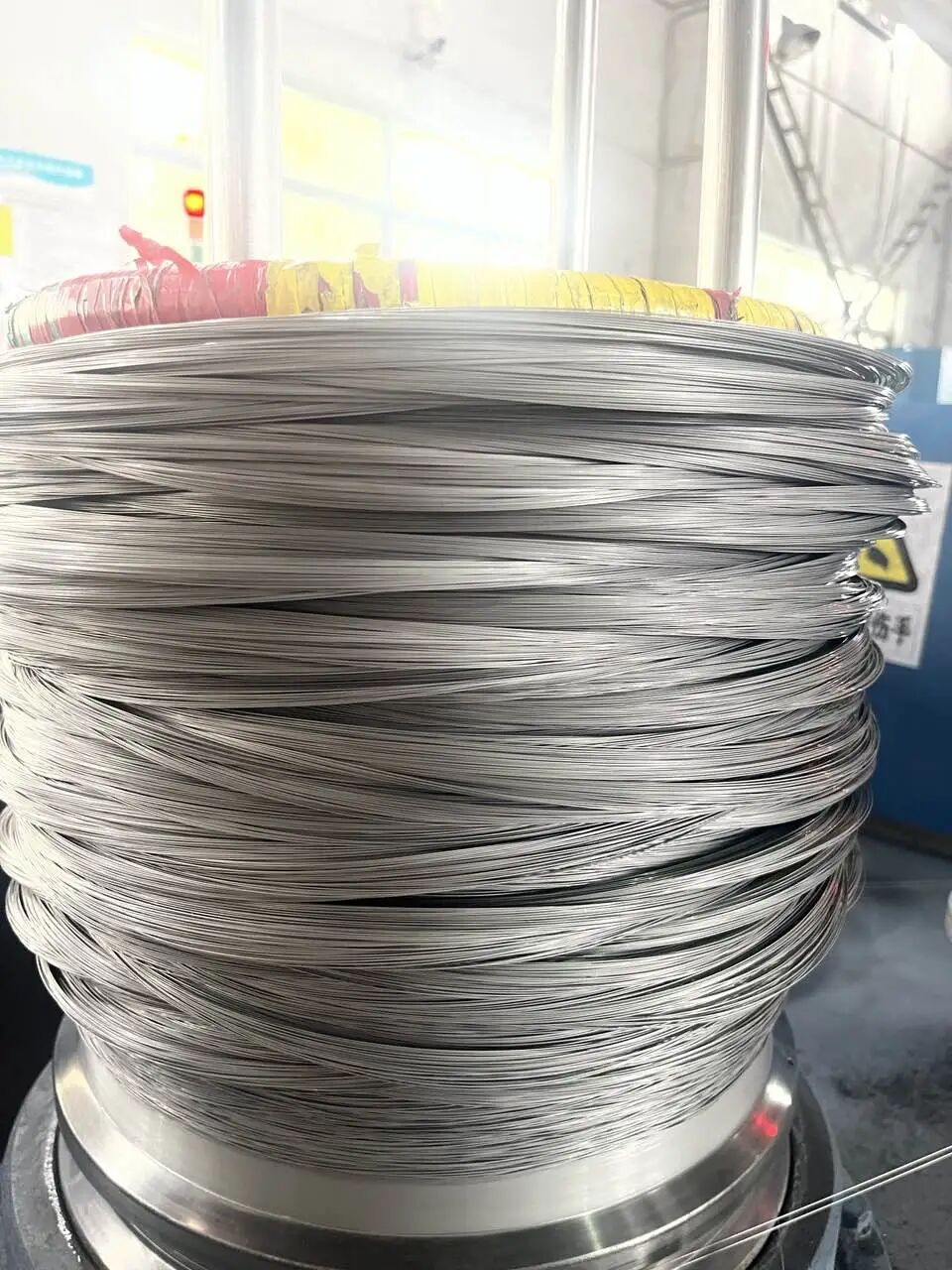
For manufacturers producing stainless steel spring wire, choosing the right wire...
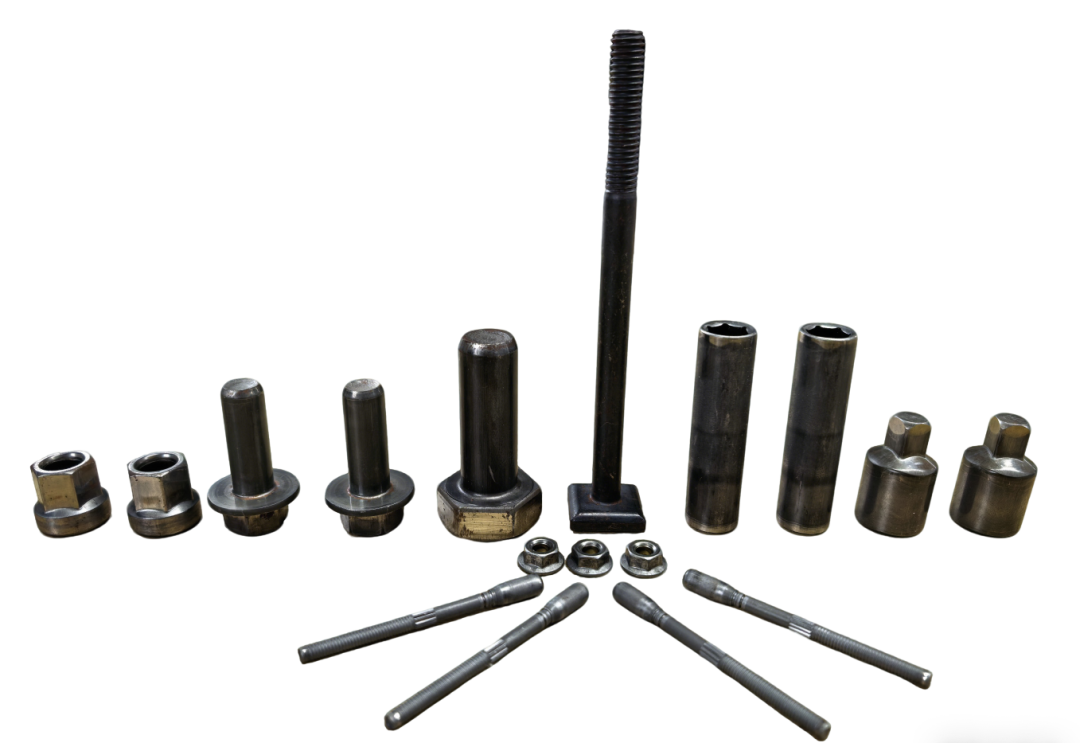
Cold heading wire is widely used in the production of fasteners and precision me...
IntroductionWire drawing—the process of reducing the cross-section of metal rods...
We provide comprehensive wire production chemical solutions to global customers—from high-performance phosphating solutions to advanced dry wire drawing lubricants.