

News
Oct 13,2026
By:Pino
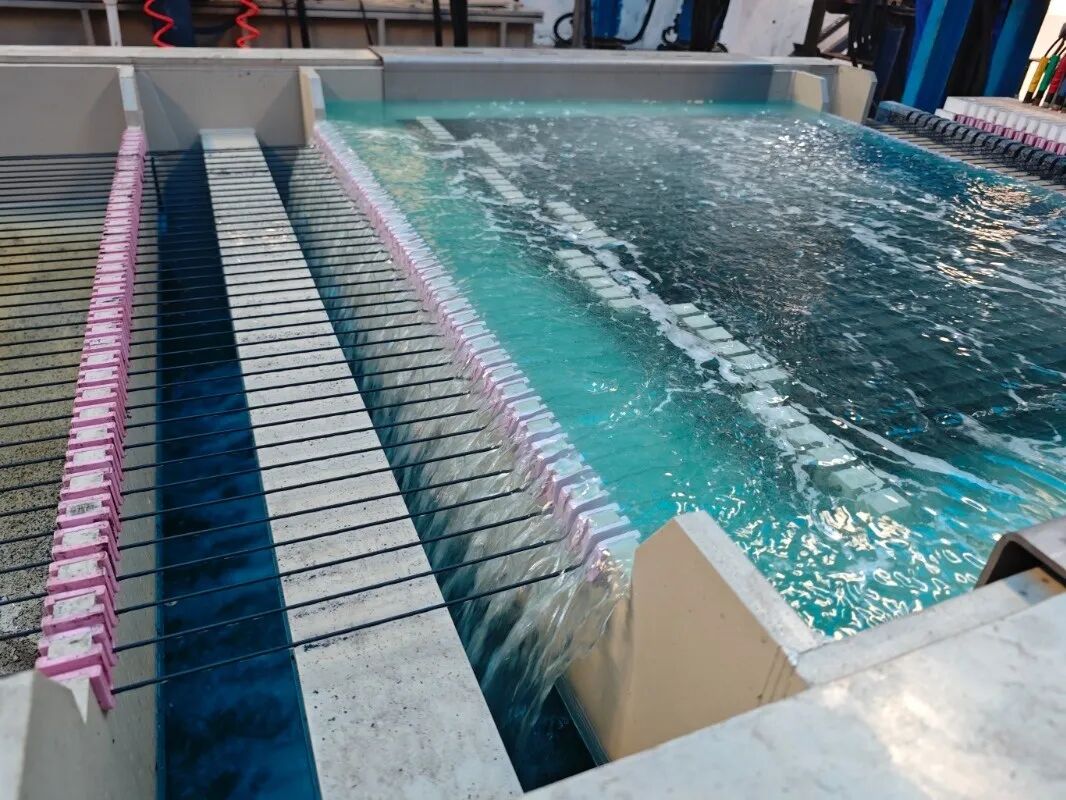
Electrolytic phosphating is an alternative to conventional phosphating for steel wire drawing. By combining chemical formulation with an externally applied electric current, the process can help reduce phosphating sludge, lower operating costs and support demanding wire drawing applications.
However, manufacturers considering a change need to evaluate more than the coating process itself. Sludge disposal, chemical consumption, energy use, coating performance, equipment investment and production continuity all matter.
At Pino, we have developed electrolytic phosphating technology for steel wire production over 12 years, with five generations of development. Below, we answer ten common questions based on our technical experience and customer applications.
Yes. Under suitable operating conditions, electrolytic phosphating can substantially reduce phosphating sludge compared with conventional phosphating.
Based on Pino's process comparison, the technology can reduce sludge generation by approximately 3–5 kg per tonne of steel wire. The actual result depends on the wire material, bath conditions, production process and operating management.
Consider a production line processing 5,000 tonnes of steel wire per month.
Annual production: 60,000 tonnes
Estimated sludge reduction: 180–300 tonnes per year
Assumed sludge treatment cost: RMB 1,500 per tonne
Using the lower reduction estimate:
60,000 tonnes × 3 kg/tonne ÷ 1,000 × RMB 1,500/tonne = RMB 270,000 per year.
Under these assumptions, the estimated annual saving in sludge treatment costs is approximately RMB 270,000. At a reduction rate of 5 kg per tonne, the potential saving would be higher.
This is an illustrative calculation, not a guaranteed saving. Actual savings should be calculated using the plant's production volume, measured sludge generation and local disposal costs.
Electrolytic phosphating may reduce operating costs through several factors, including chemical consumption, sludge treatment and energy use.
In Pino's reported customer applications, the process has achieved the following results:
Chemical consumption: phosphating chemical consumption reduced by approximately one-third.
Sludge generation: phosphating sludge reduced by up to 99%.
Energy consumption: energy savings of more than 40% in certain applications.
These figures are application-specific results, not universal performance guarantees. The actual outcome depends on the existing phosphating process, line configuration, operating conditions and the basis used for comparison.
For a reliable assessment, manufacturers should compare total operating costs per tonne of steel wire, including chemicals, electricity, sludge disposal, maintenance and production downtime.
Coating performance must be evaluated under actual drawing conditions, not by coating weight alone.
In one spring steel wire application, Pino's electrolytic phosphating process achieved an average phosphate coating weight of 4.5 g/m² on 3.0 mm steel wire, with a residual coating weight of 1.2 g/m².
The same customer application also demonstrated high drawing reductions on different steel grades:
Steel grade 90B: wire diameter reduced from 4.0 mm to 0.9 mm, with a reported cumulative cross-sectional area reduction of approximately 94.9% and a final tensile strength of 3,000 MPa.
Steel grade 82B: wire diameter reduced from 2.0 mm to 0.5 mm, with a cumulative cross-sectional area reduction of 93.75% and a final tensile strength of 2,600 MPa.
These figures describe a specific customer application. Drawing performance depends on the steel grade, initial wire condition, die sequence, lubrication, drawing speed and other process parameters.
For manufacturers evaluating electrolytic phosphating, the most useful approach is to assess coating characteristics together with drawing stability, die wear, wire surface quality and final product requirements.
Electrolytic phosphating can be evaluated for a range of steel wire applications, including high-carbon steel wire, low-carbon steel wire and selected specialty steel wires.
Potential applications include:
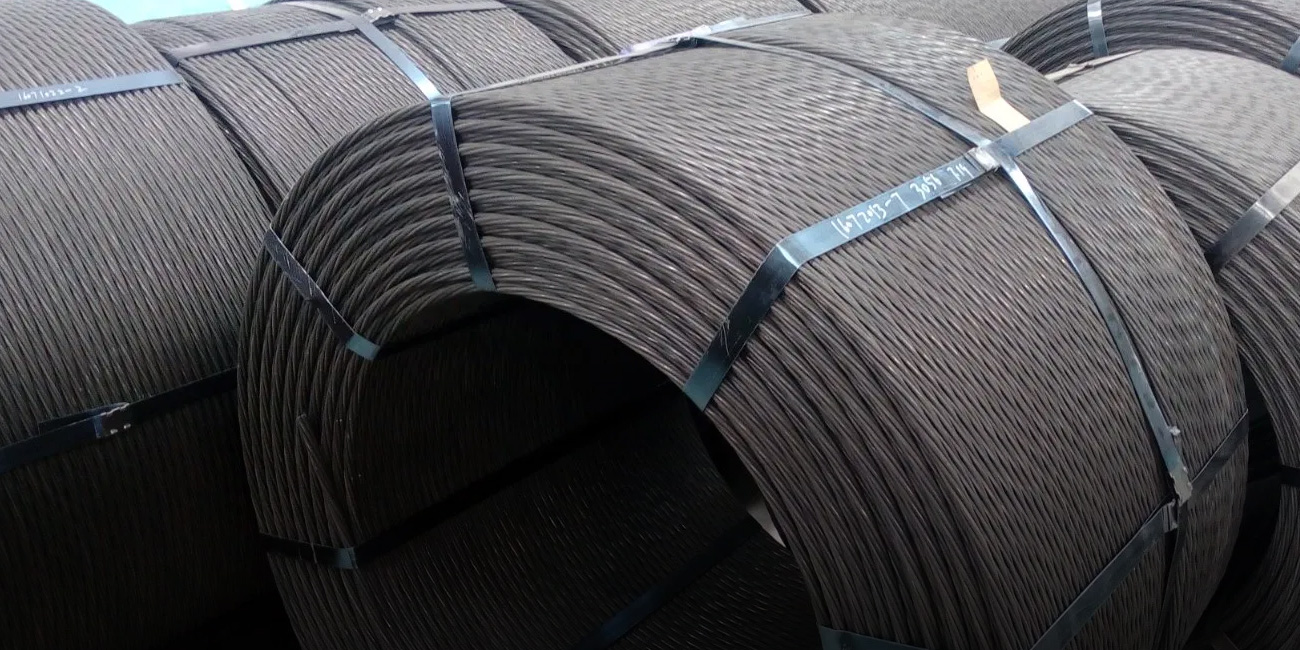
Prestressed steel strand
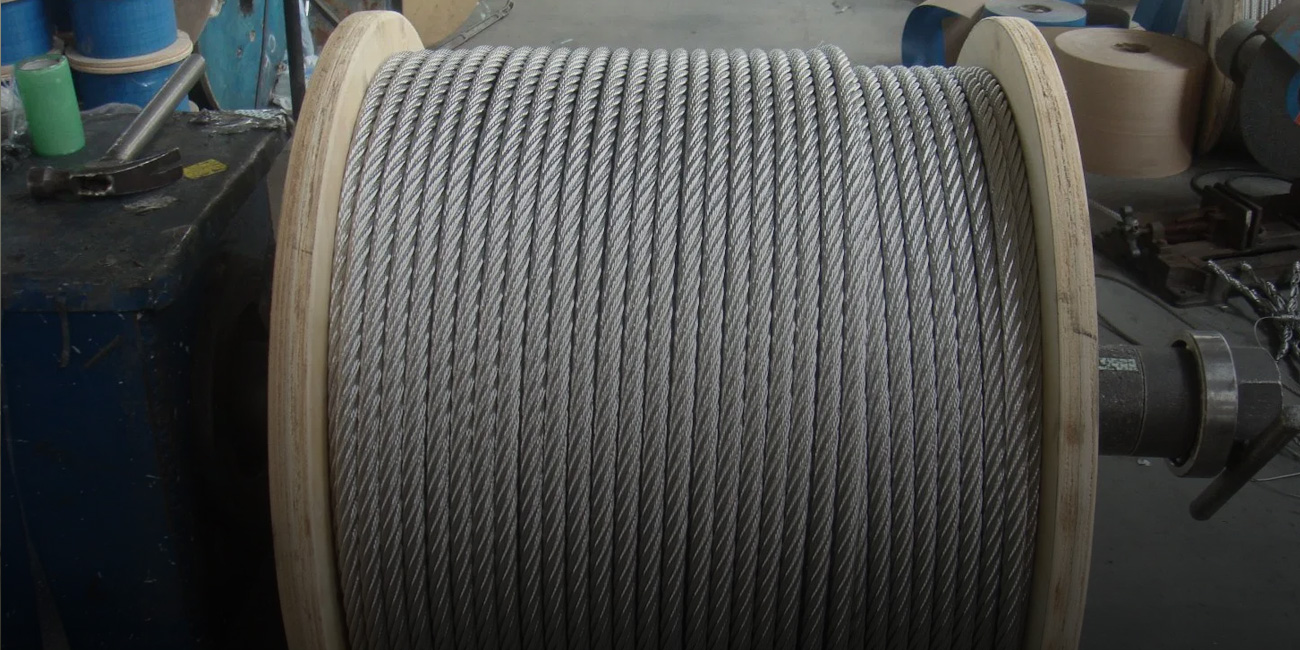
Steel wire rope
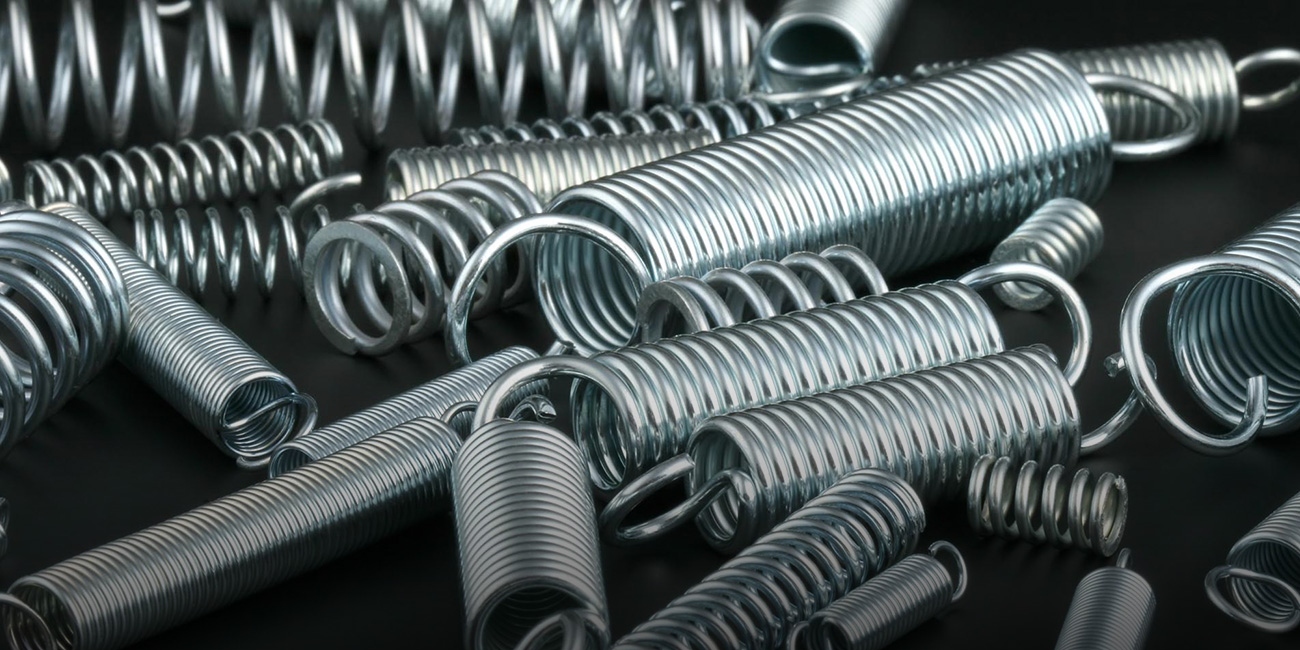
Spring steel wire
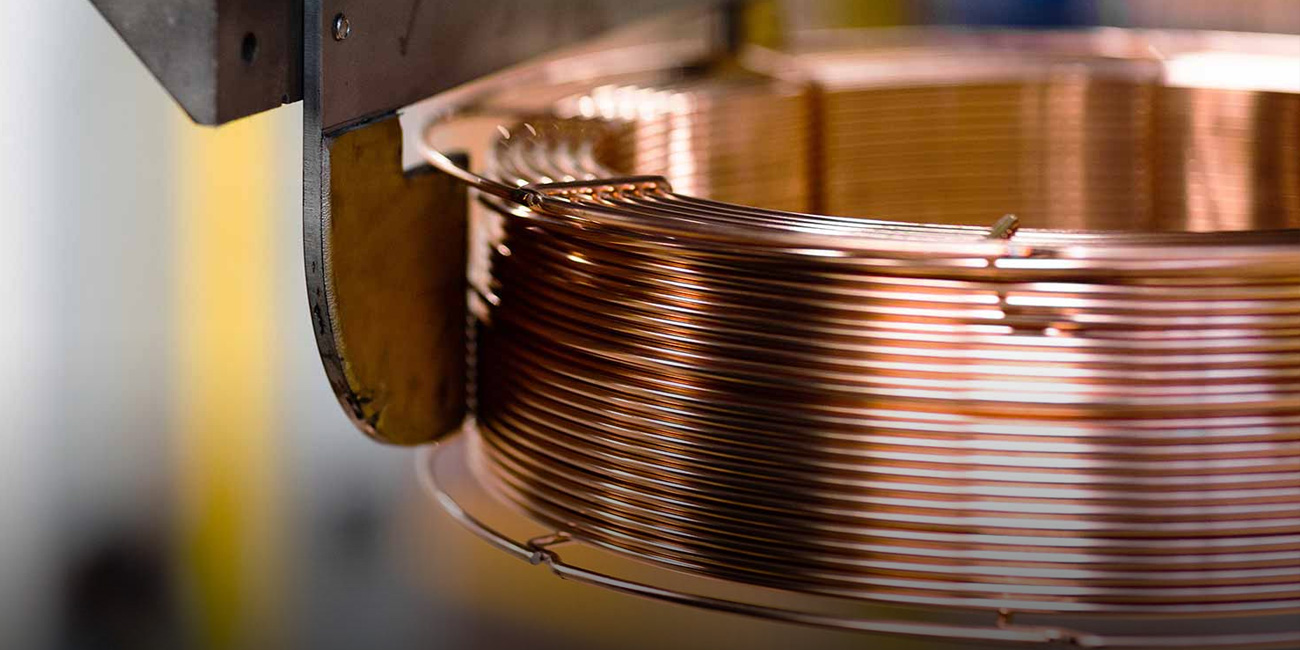
Welding wire
However, suitability should be confirmed for each material and production process. Different steel grades and drawing requirements may require adjustments to bath conditions, treatment time, coating weight and subsequent lubrication.
Pino works with customers to assess their wire materials, existing phosphating conditions and drawing requirements before recommending a process configuration.
Reducing phosphating sludge can help manufacturers lower waste treatment volumes, disposal costs and the operational burden associated with phosphating waste.
Pino's electrolytic phosphating technology is designed to substantially reduce phosphating sludge generation under suitable process conditions. This can support a cleaner production approach and improve environmental management.
However, reduced sludge generation does not automatically mean that a production line produces no waste or is fully compliant with every environmental regulation. Wastewater, spent bath solutions, other residues and local discharge requirements must also be assessed.
Manufacturers should evaluate the complete process against applicable environmental requirements and verify performance using actual operating data.
Adopting a new phosphating process requires technical evidence and a clear evaluation plan.
Pino has developed electrolytic phosphating technology over 12 years, progressing through five generations of development. The company reports 16 electrolytic phosphating lines across its applications.
For customers considering a transition, Pino can arrange visits to relevant customer sites, subject to customer permission and availability. These visits can help manufacturers understand actual operating conditions and discuss implementation with technical personnel.
Before making a decision, we recommend evaluating:
Compatibility with the existing steel wire and drawing process
Coating performance under actual production conditions
Chemical consumption and sludge generation
Energy use and maintenance requirements
Expected investment and operating cost changes
A structured evaluation provides a more reliable basis for decision-making than relying on a single performance figure.
A process change needs to be planned around the customer's production schedule and existing equipment.
Pino's technical team can support site assessment, modification planning, equipment commissioning and process optimization. The scope and implementation schedule depend on the existing line layout, equipment condition and required modifications.
The objective is to manage the transition systematically, verify process performance and minimize disruption to normal production.
Before implementation, manufacturers should agree on the installation plan, commissioning procedure, acceptance criteria and production restart schedule.
The payback period depends on production capacity, the existing process, equipment investment and actual operating savings.
Based on feedback from existing customer applications, Pino has observed estimated payback periods of approximately 6–12 months in certain cases. This should be treated as a reference range rather than a guaranteed result.
A practical calculation should include:
Equipment and installation costs
Production line modification costs
Changes in chemical consumption
Changes in sludge treatment costs
Electricity and maintenance costs
Downtime during installation and commissioning
A simplified calculation is:
Payback period = Total initial investment ÷ Net annual operating cost savings
For a meaningful estimate, both the initial investment and the net annual savings should be based on the customer's actual production data.
Equipment reliability is essential for continuous steel wire production.
Pino's electrolytic phosphating system incorporates imported power modules and real-time monitoring. The reported mean time between failures (MTBF) of the relevant power modules exceeds 20,000 hours.
This figure refers to the specified power modules, not necessarily the entire phosphating line. Actual equipment availability depends on component selection, maintenance, operating conditions and the overall system configuration.
For each project, manufacturers should confirm the equipment specifications, monitoring functions, maintenance requirements, spare parts arrangements and technical support provisions.
When a problem affects a production line, a timely technical response can help reduce downtime and production losses.
Pino provides technical support through its CHS approach, integrating chemicals, hardware and software. The support scope may include process diagnosis, equipment checks, parameter adjustments and production optimization, depending on the project.
Pino's stated service target is an initial remote response within two hours. Actual resolution time depends on the nature of the problem, information available from the production line and whether on-site intervention is required.
To accelerate troubleshooting, customers should prepare relevant information such as wire grade, line speed, bath conditions, coating measurements, equipment alarms and photographs of the issue.
Electrolytic phosphating should be evaluated as a complete production process rather than simply as a replacement for conventional phosphating chemicals.
The key questions are whether it can deliver the required coating performance, reduce operating costs, improve waste management and integrate with the existing drawing line.
Pino provides phosphating solutions and technical support for steel wire production. If you are considering an electrolytic phosphating line or evaluating an existing process, share your wire grade, production capacity, current phosphating method and main operating challenges with our team.
We can then assess the process requirements and discuss a suitable technical evaluation plan.
Contact Pino to discuss your steel wire phosphating process and equipment requirements.
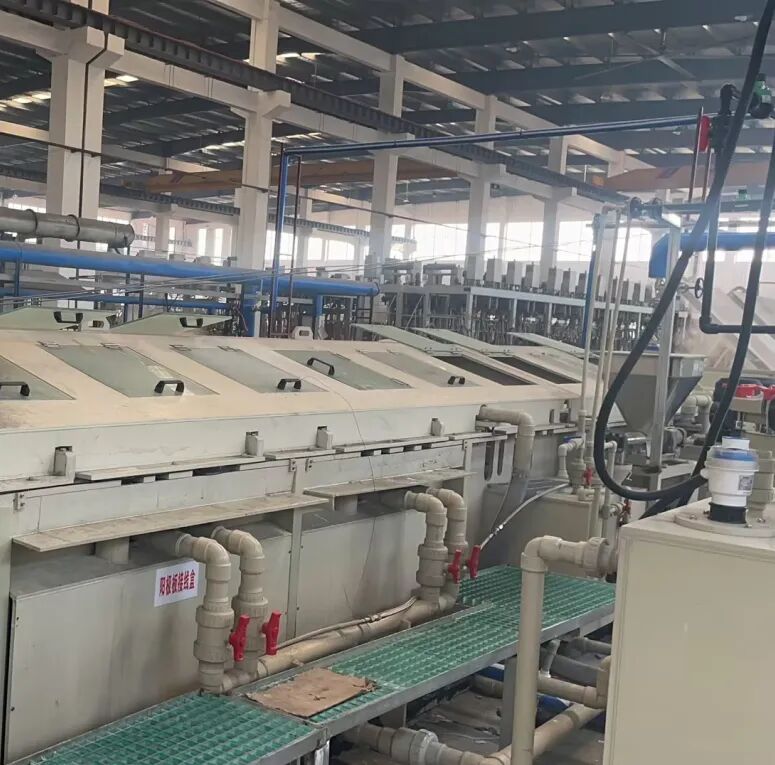
Electrolytic phosphating is an alternative to conventional phosphating for steel...
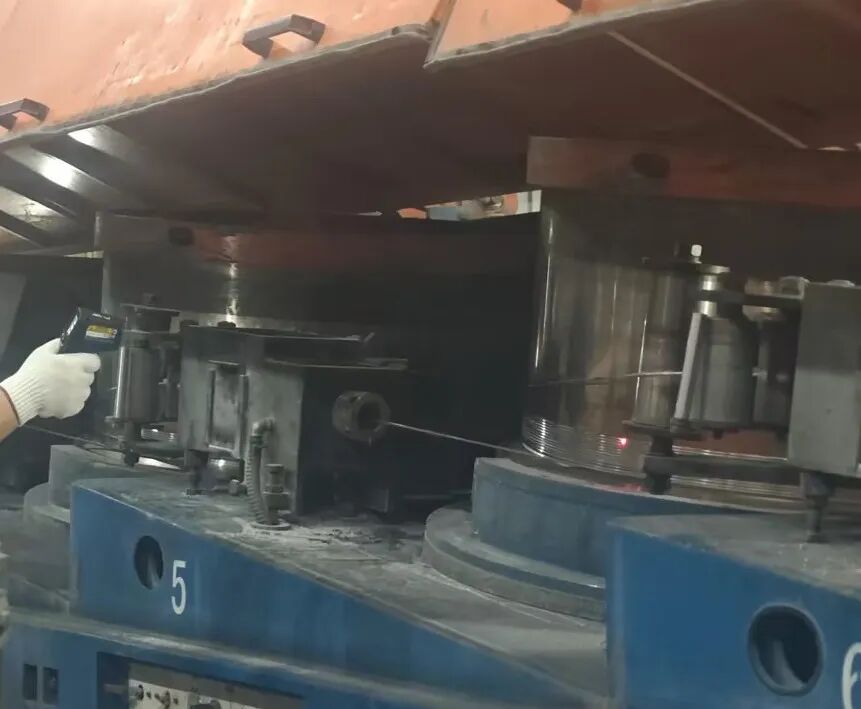
Bright steel wire is a common surface problem in the wire drawing process. Howev...
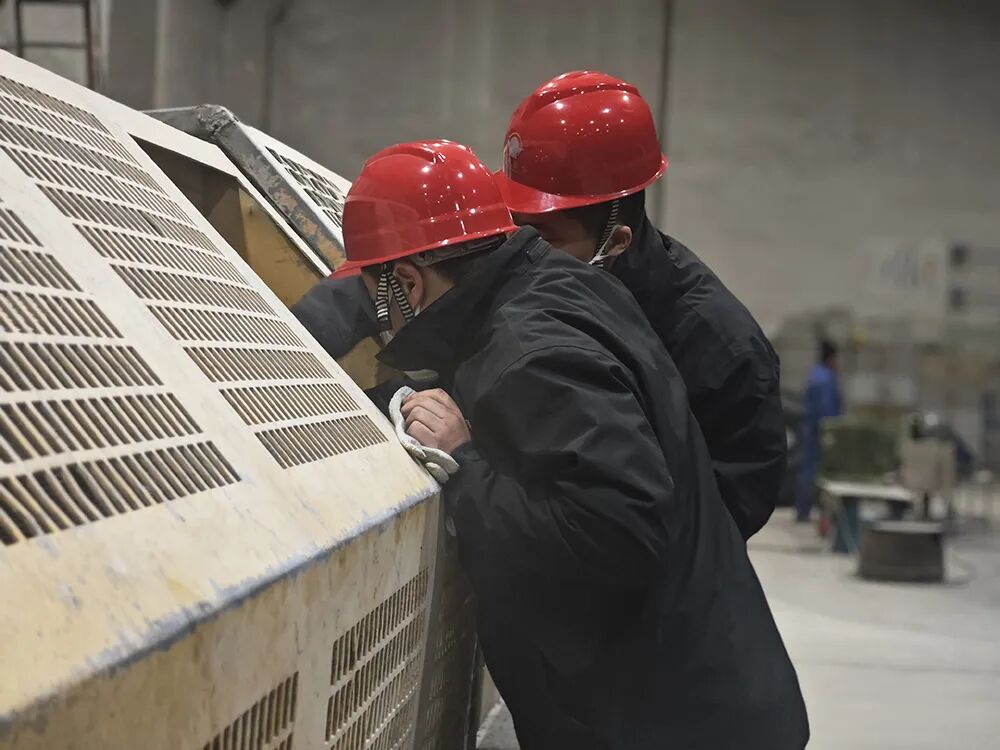
Choosing a wire drawing lubricant is not just about choosing a product that matc...
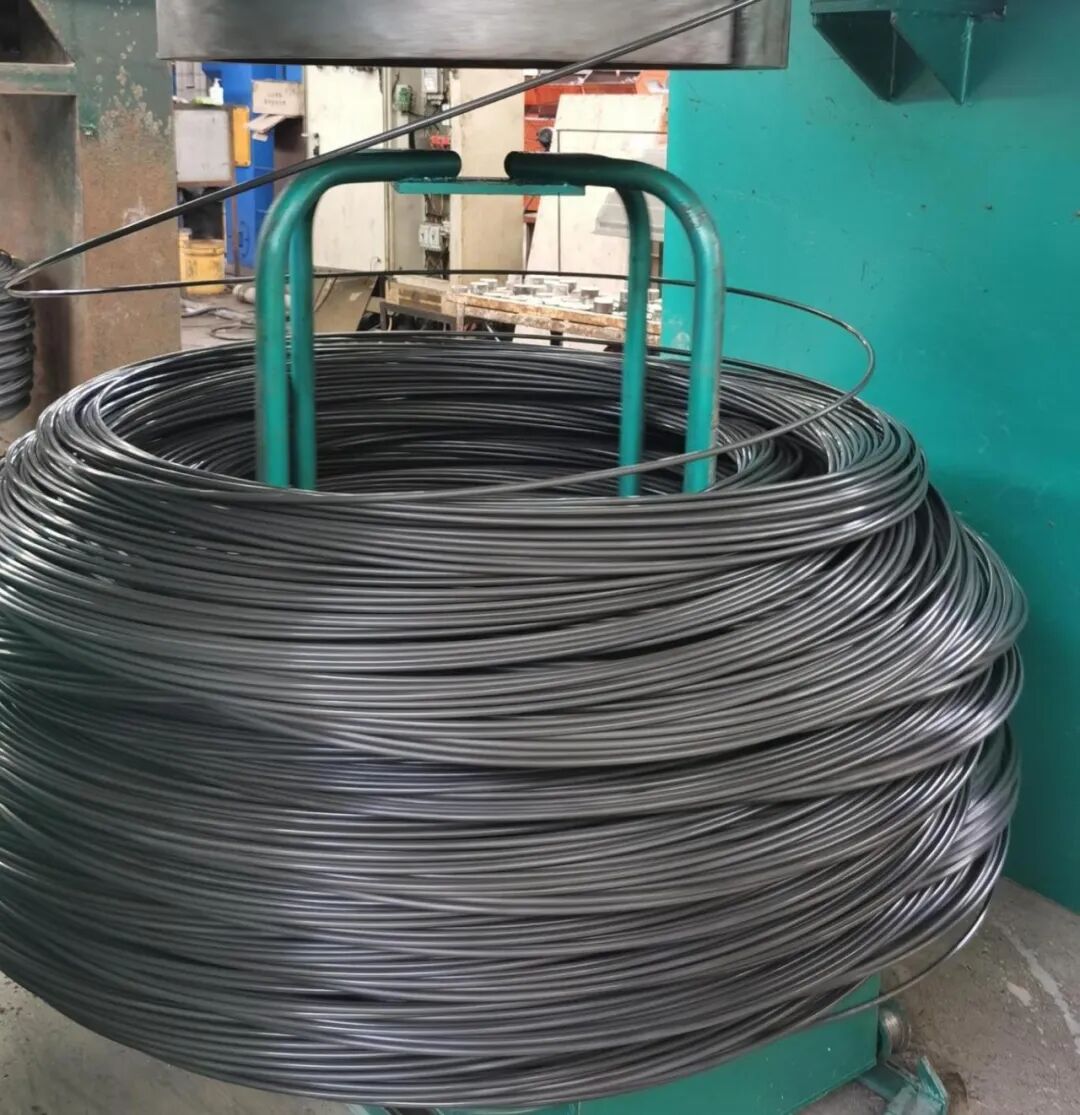
Steel wire is a simple-looking product, but behind a thin metal wire is a comple...
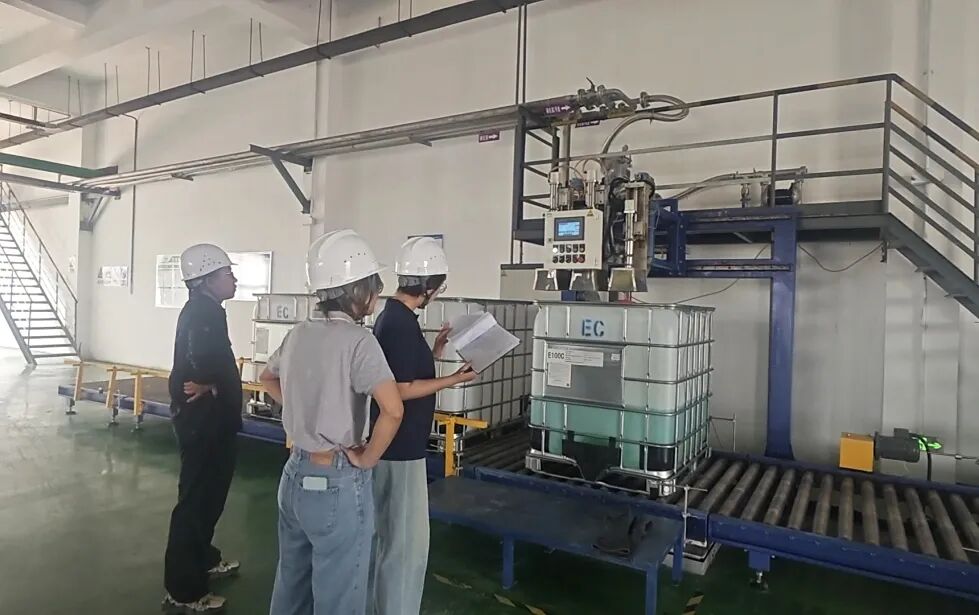
Recently, Pino welcomed an audit team from Bekaert, a global leader in the steel...
We provide comprehensive wire production chemical solutions to global customers—from high-performance phosphating solutions to advanced dry wire drawing lubricants.