

News
Sep 29,2026
By:Pino
Choosing a wire drawing lubricant is not just about choosing a product that matches a certain steel grade or wire diameter.
In production, the same lubricant can perform differently on different drawing lines. The wire surface, pretreatment, drawing equipment, reduction, drawing speed and operating conditions all have an effect.
That is why, before recommending a dry wire drawing lubricant, we first want to understand how the customer actually draws the wire.
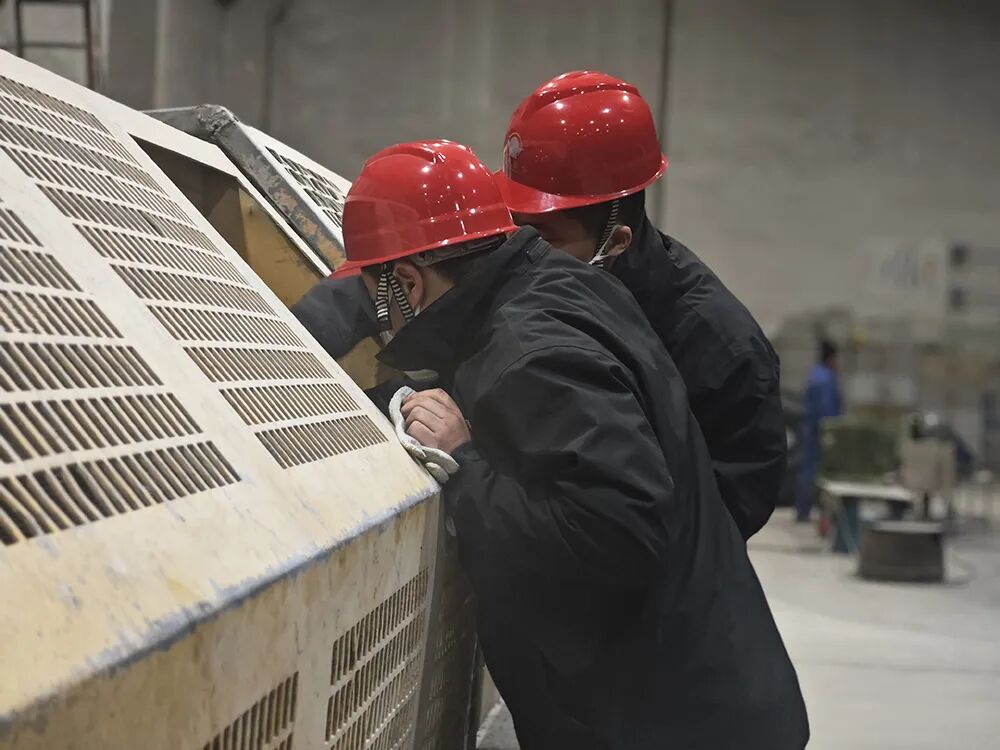
When we visit a customer's drawing line, we normally start by looking at the complete process.
What is the steel grade?
How is the wire heat-treated?
How is the surface cleaned?
Is there a phosphate coating or another pre-coating before drawing?
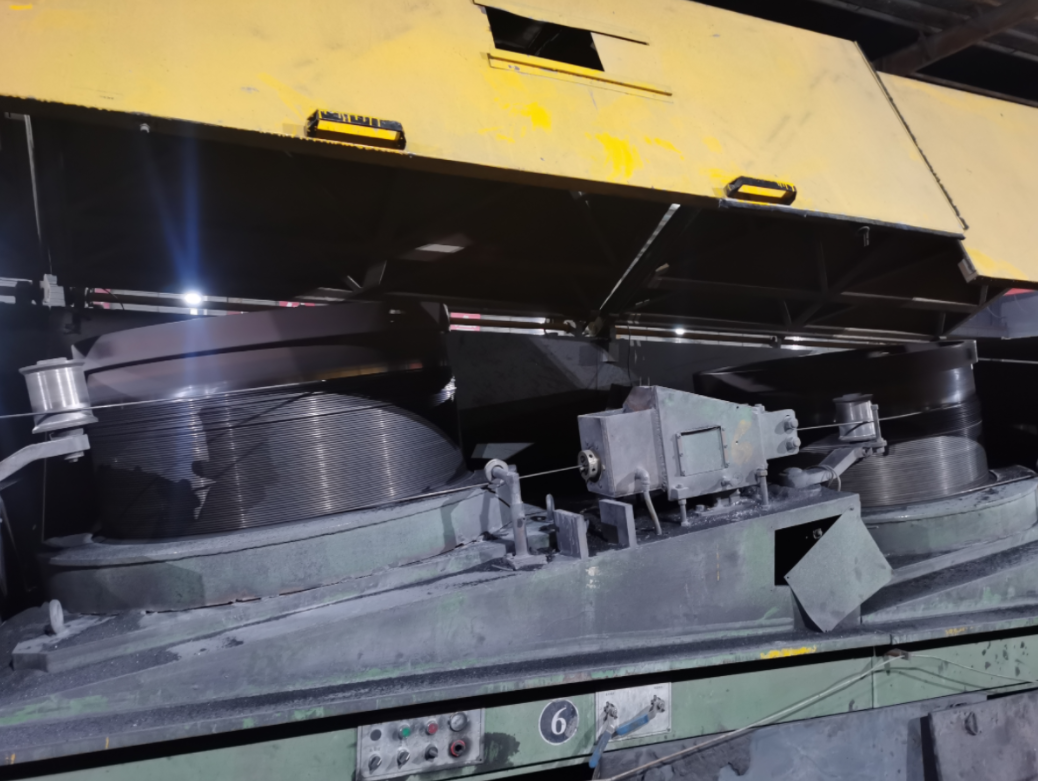
What type of drawing machine is being used?
How many passes are there?
What is the drawing speed?
What lubricant is currently being used, and how much is being consumed?
These questions may seem basic, but they often explain why a lubricant performs differently from one production line to another.
A typical investigation covers several parts of the drawing process.
Before dry drawing, steel wire may go through shot blasting, acid pickling or other descaling processes. Some applications also use phosphating, zinc coating or inorganic salt coatings.
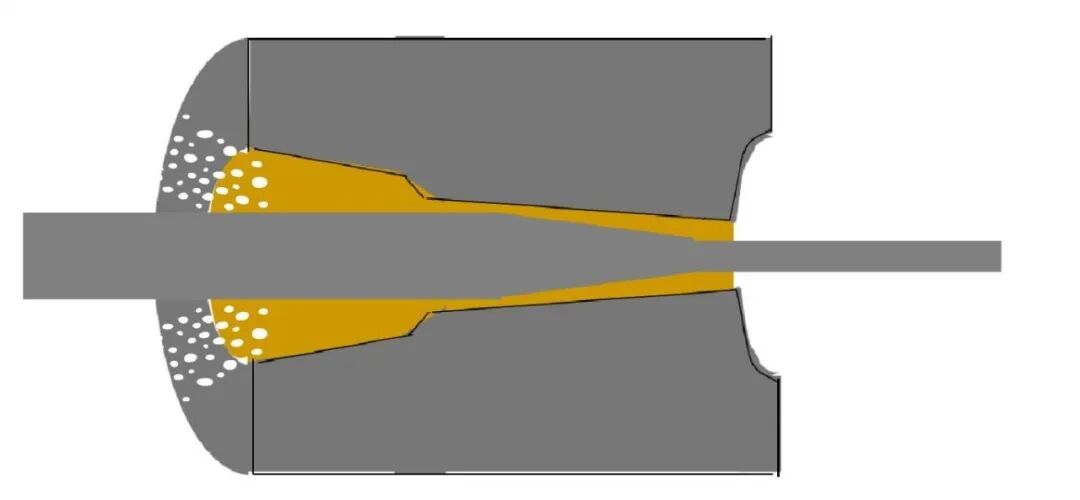
The condition of this surface layer is important because it affects how the drawing lubricant is carried into the die.
If the pretreatment is unstable, changing the drawing lubricant alone may not solve the problem.
The drawing machine and line configuration also matter.
We look at the number of drawing passes, die arrangement, drawing speed, reduction per pass, lubricant box and cooling conditions.
These details help us understand the actual working conditions of the lubricant.
We also check how the lubricant is being used on the production line.
For example:
Is the lubricant feeding normally?
Is there enough lubricant in the box?
Is the powder caking during use?
Is the consumption stable?
Is the wire surface evenly covered?
Are there differences between different drawing passes?
These observations are often more useful than simply looking at a product specification sheet.
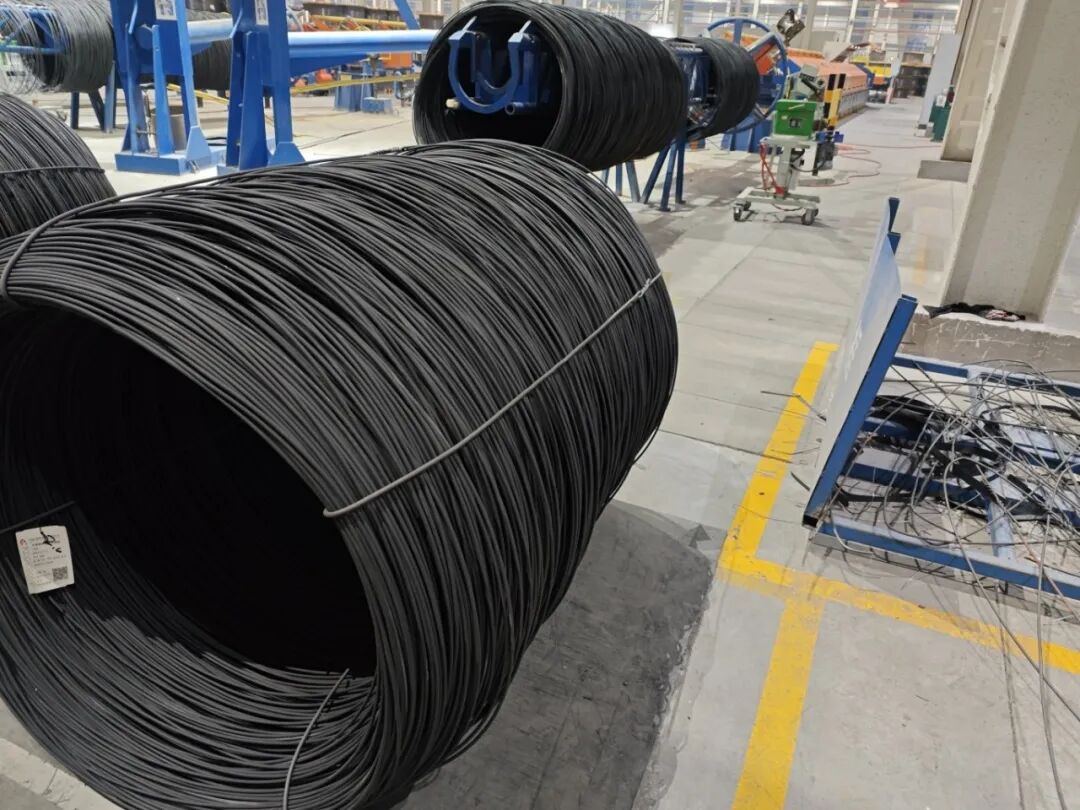
Different drawing lines can have very different problems.
Some customers may experience drawing powder caking after several days of operation.
Others may see bright wire, surface scratches or unstable lubrication.
There may also be problems with powder consumption, wire breakage or inconsistent drawing performance.
But these symptoms do not always point directly to the lubricant.
For example, a bright wire surface can be related to lubrication, but die condition, drawing parameters and upstream surface preparation should also be checked.
This is why we prefer to look at the whole drawing process before making a recommendation.
After collecting the production information, we can start looking at the lubrication system as a whole.
Depending on the situation, the solution may involve:
Selecting a different dry wire drawing lubricant
Adjusting lubricant formulation
Changing the way the lubricant is applied
Optimizing drawing parameters
Improving pretreatment conditions
Carrying out an on-site trial
Tracking lubricant consumption and drawing performance
In some cases, the right answer is a new lubricant.
In other cases, the existing lubricant may work well once another part of the process is adjusted.
That is why we do not believe in recommending a drawing lubricant based only on a product catalogue.
Laboratory testing is useful for comparing products and understanding basic performance.
But a wire drawing line is more complicated.
Actual production involves the specific wire surface, dies, drawing speed, equipment, lubricant box, temperature, humidity and operator practices.
These conditions are difficult to reproduce completely in a laboratory.
An on-site trial gives us a chance to see how the lubricant performs under the customer's actual production conditions.
We can then look at practical indicators such as wire surface condition, drawing stability, lubricant consumption and production feedback.
For us, technical service starts before the product is delivered.
We want to understand the customer's drawing process first, identify the factors affecting lubrication, and then evaluate which solution makes sense.
This approach is particularly important for applications such as:
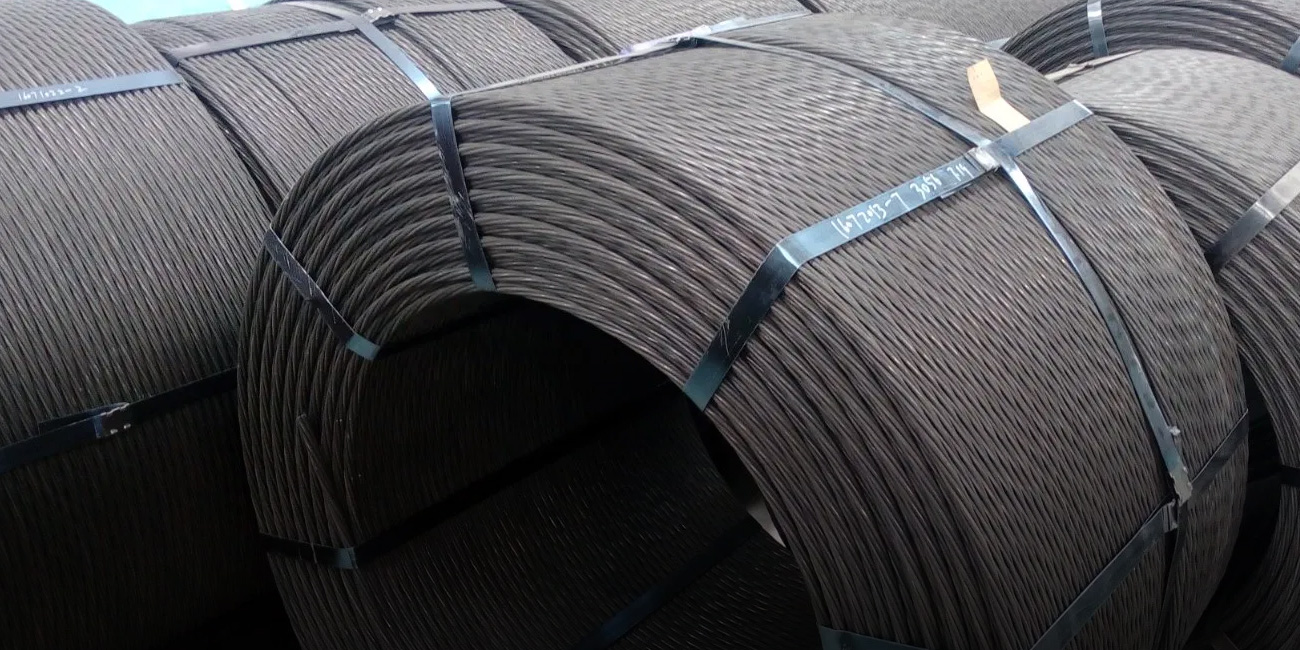
High-carbon steel wire
Wire rope
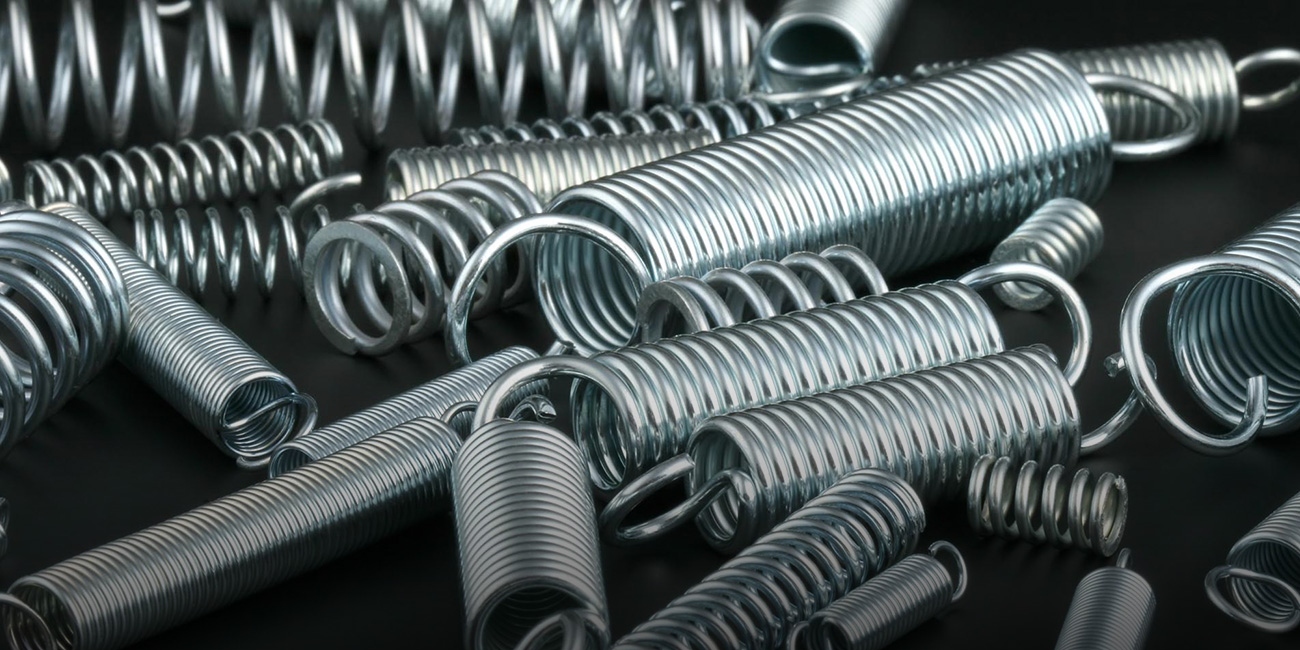
Spring wire
Prestressed steel strand
Rubber reinforcing wire
Welding wire
Other cold-drawn steel wire products
Each application can have different requirements.
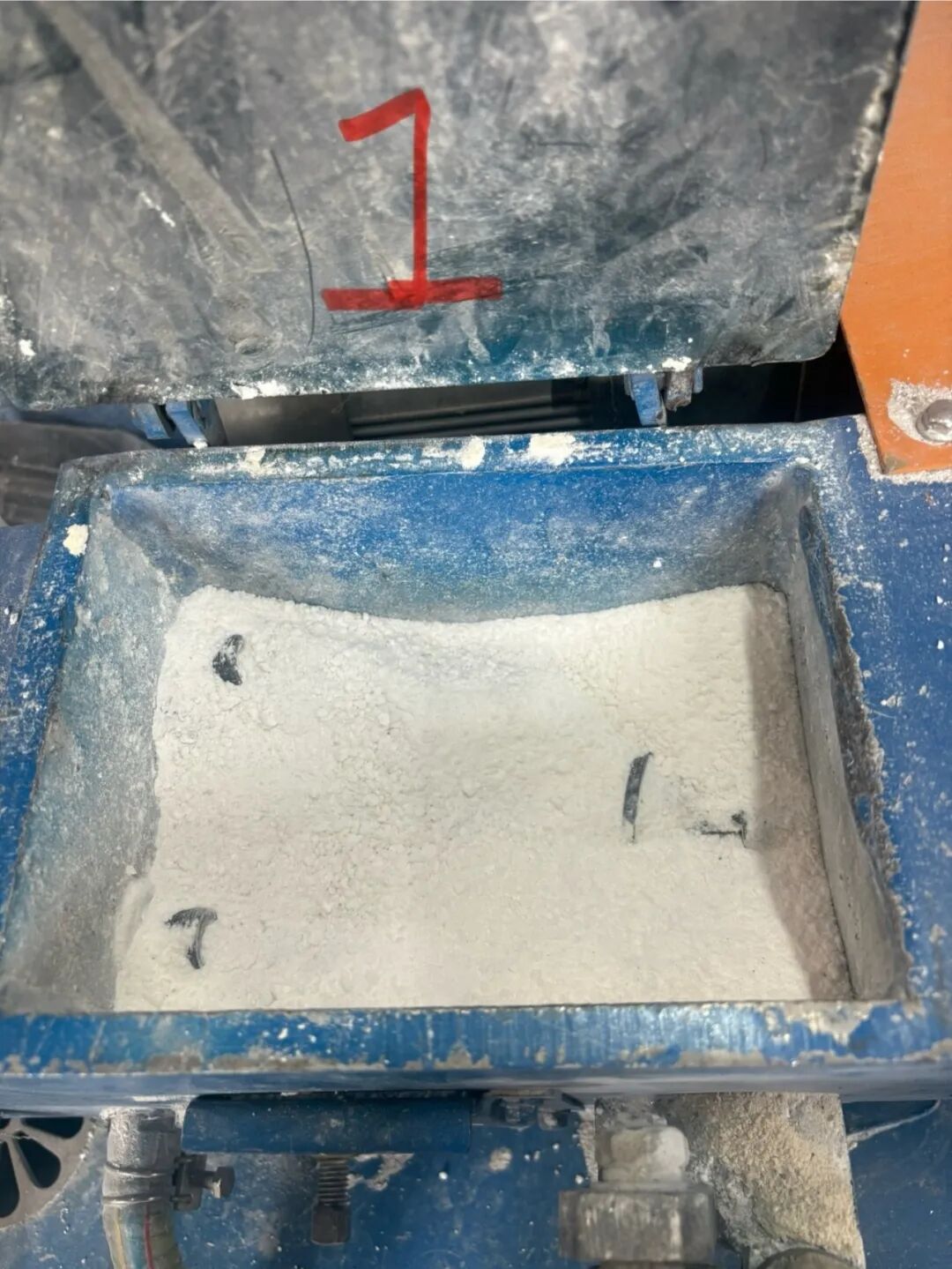
Pino develops dry wire drawing lubricants and phosphating solutions for steel wire production.
Our technical team works with customers to understand their wire, pretreatment and drawing conditions, then carries out product evaluation and on-site verification where required.
The starting point is simple:
Understand the process first. Then choose the lubricant.
If you are experiencing problems with drawing powder consumption, caking, bright wire, lubrication stability or other drawing-related issues, sharing your current wire grade, pretreatment process and drawing conditions can be a useful first step toward finding the cause.

Choosing a wire drawing lubricant is not just about choosing a product that matc...
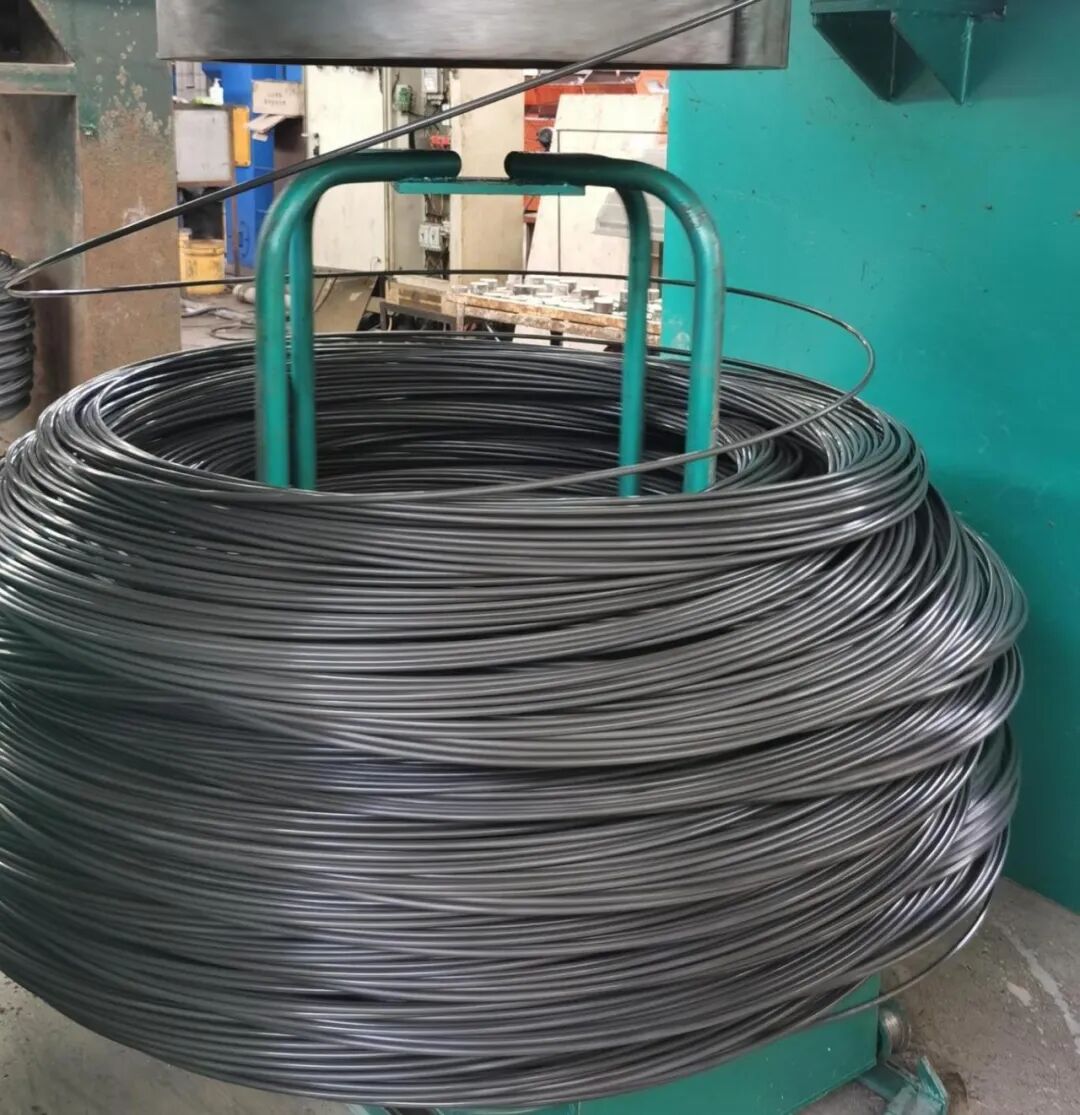
Steel wire is a simple-looking product, but behind a thin metal wire is a comple...
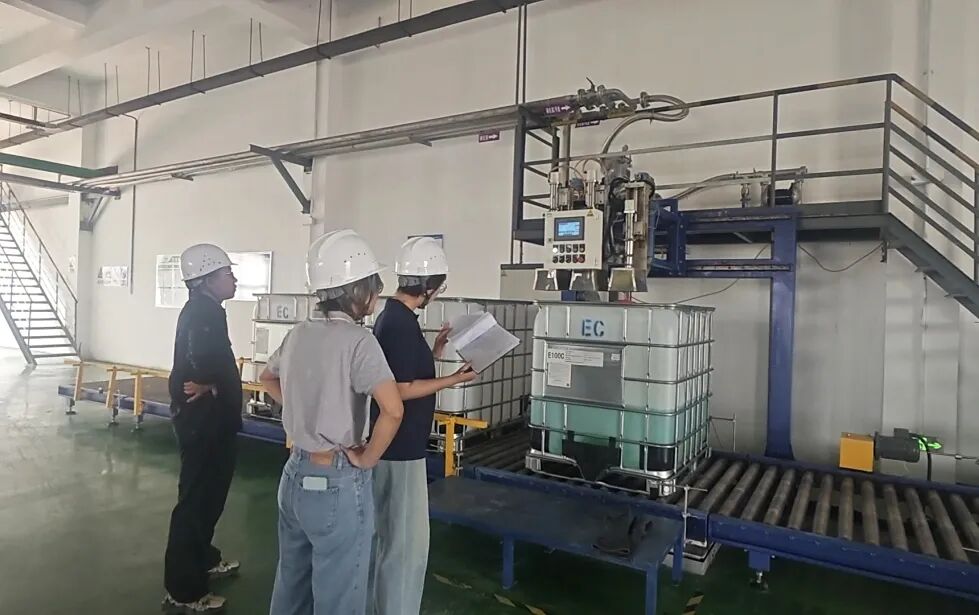
Recently, Pino welcomed an audit team from Bekaert, a global leader in the steel...
What is wire drawing lubricant? How has dry wire drawing lubricant evolved? And ...
In the steel wire drawing process, the selection of wire drawing lubricant must ...
We provide comprehensive wire production chemical solutions to global customers—from high-performance phosphating solutions to advanced dry wire drawing lubricants.