

News
Oct 08,2026
By:Pino
Bright steel wire is a common surface problem in the wire drawing process. However, not all bright surfaces have the same cause.
When you notice that the steel wire has become unusually bright, the first step is to look closely at the actual surface condition. This helps determine whether the problem is related to lubrication, pretreatment, the drawing die, cooling, or the overall drawing process.
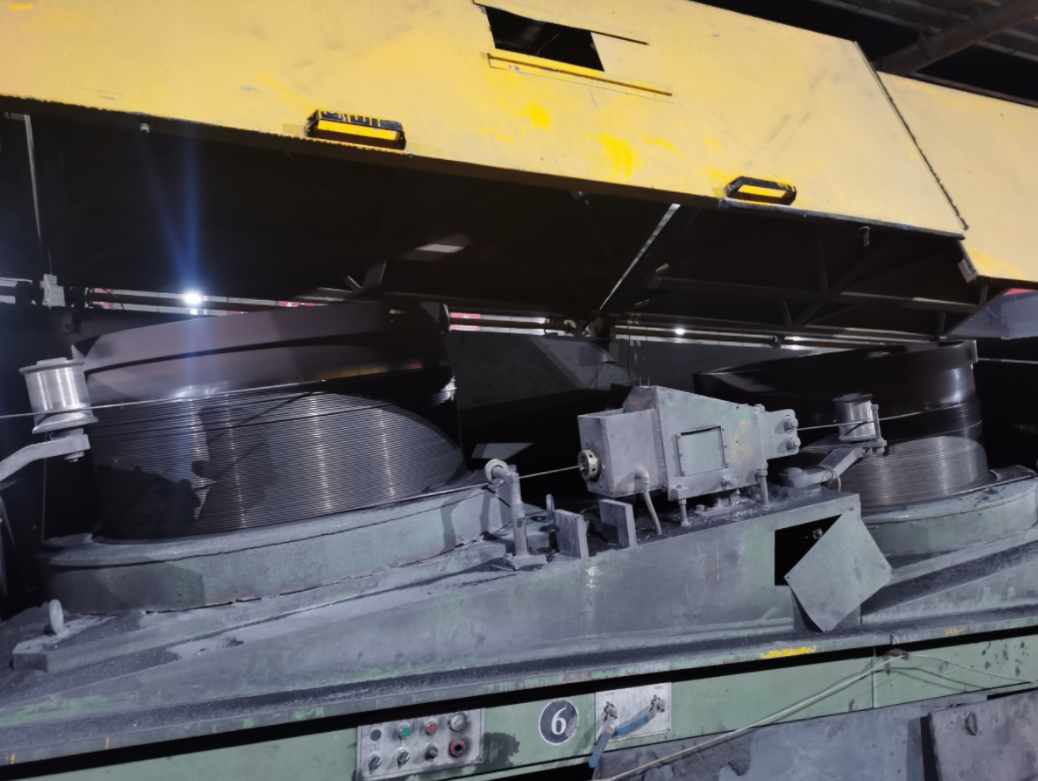
If the steel wire has a relatively uniform and unusually bright surface, without obvious scratches, bright bands, or abrasion marks, the cause cannot be determined from the appearance alone.
In this case, check the overall drawing process, the previous and following drawing passes, and the relevant process parameters.
If only part of the steel wire surface becomes unusually bright, especially when bright bands, longitudinal lines, or scratches are visible, pay particular attention to the lubrication condition and the drawing die.
These surface defects are often related to insufficient lubrication or unstable drawing conditions.
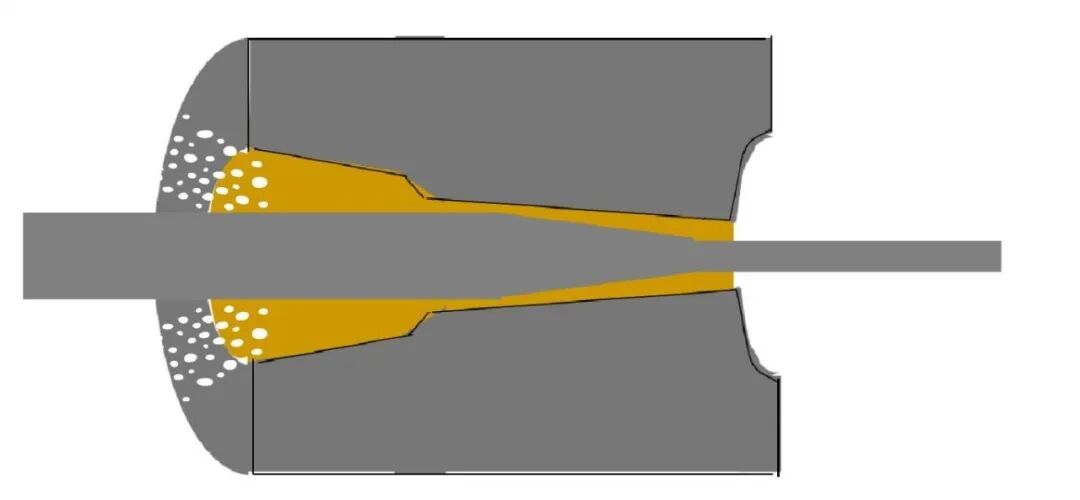
If the lubricating film is too thin or is damaged during drawing, the steel wire can come into direct contact with the drawing die.
This increases friction and can lead to longitudinal lines, scratches, or even surface peeling.
One possible cause is insufficient oil content in the dry wire drawing lubricant, which may prevent the lubricant from forming and maintaining an effective lubricating film.
The surface condition before drawing has a direct effect on subsequent lubrication.
Insufficient pickling, abnormal surface residues, or an unstable phosphating film can affect the ability of the steel wire to carry the drawing lubricant.
If the pretreatment is unstable, changing the drawing lubricant alone may not solve the surface problem.
The amount of drawing lubricant actually carried into the die is also important.
If powder bridging or a tunneling effect occurs in the powder box, or if the powder supply is unstable, the amount of lubricant carried into the die may decrease.
Even when the drawing lubricant itself is suitable, insufficient lubricant pickup can result in poor lubrication and surface defects.
If longitudinal bright lines or scratches consistently appear at a fixed position, the drawing die should be checked first.
Look for:
Lubricant powder buildup
Metal debris
Abnormal residues
Die wear
Any of these conditions can affect lubrication inside the die and ultimately influence the surface quality of the steel wire.
Replacing the die and comparing the results can also help determine whether the die is contributing to the problem.
Cooling conditions should not be overlooked.
During drawing, poor cooling of the capstan, die box, or other relevant equipment can increase the temperature of the drawing system and affect lubrication and drawing stability.
This may eventually lead to steel wire surface defects.
Finding the cause of a bright steel wire problem does not always require changing the lubricant immediately. A step-by-step inspection can help identify the actual cause more efficiently.
First, determine what the defect actually looks like.
Is the entire surface bright, or is there a local bright band?
Are there longitudinal lines or scratches?
Identify the surface condition before making changes to the process.
Observe the powder layer on the steel wire.
Is it:
Uniform?
Continuous?
Stable?
If the wire is clearly carrying insufficient lubricant, check the powder feeding system, powder box condition, and the drawing lubricant itself.
Check whether:
Pickling is sufficient
The phosphating film is uniform
The phosphated surface can consistently carry the drawing lubricant
A stable phosphating film provides an important foundation for subsequent lubrication during drawing.
Check whether the drawing lubricant is suitable for the current steel grade, wire size, and drawing conditions.
Different materials and drawing conditions may require different lubrication performance.
Finally, inspect the drawing die, capstan, die box, and cooling system.
Check the cooling water pressure and flow rate as well.
If the bright surface or scratches can be traced to a specific drawing pass, start with that pass. Die replacement or other controlled adjustments can then be used to verify the cause.
Stable steel wire drawing is not simply a matter of choosing a suitable dry wire drawing lubricant.
The wire material, surface pretreatment, phosphating condition, drawing lubricant, die condition, cooling system, and drawing parameters all need to work together.
When a bright surface or longitudinal scratch occurs, looking at the lubricant alone may not be enough. A systematic check of the entire drawing process can help identify the real cause and improve drawing stability.
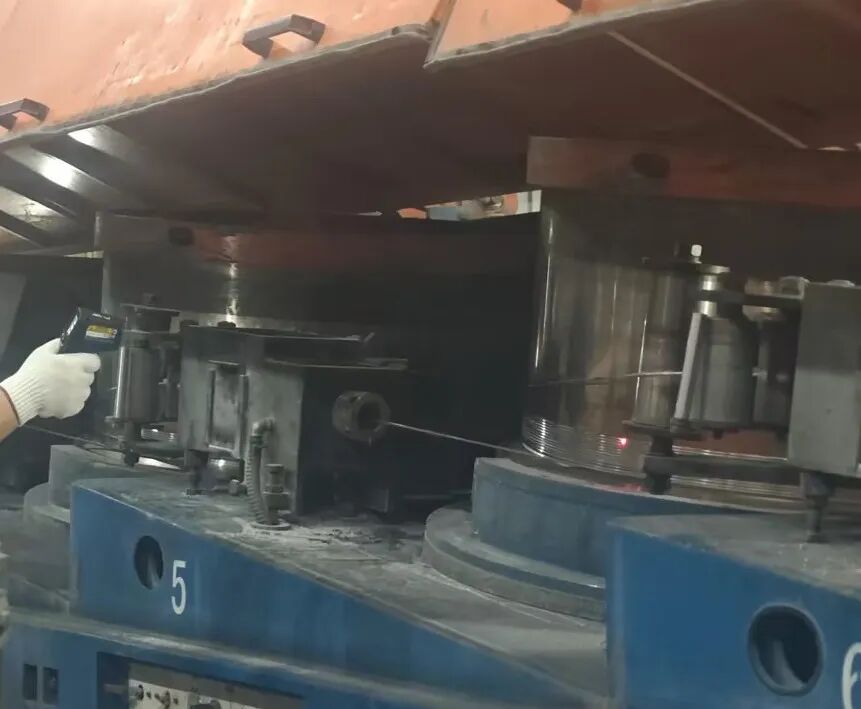
Bright steel wire is a common surface problem in the wire drawing process. Howev...
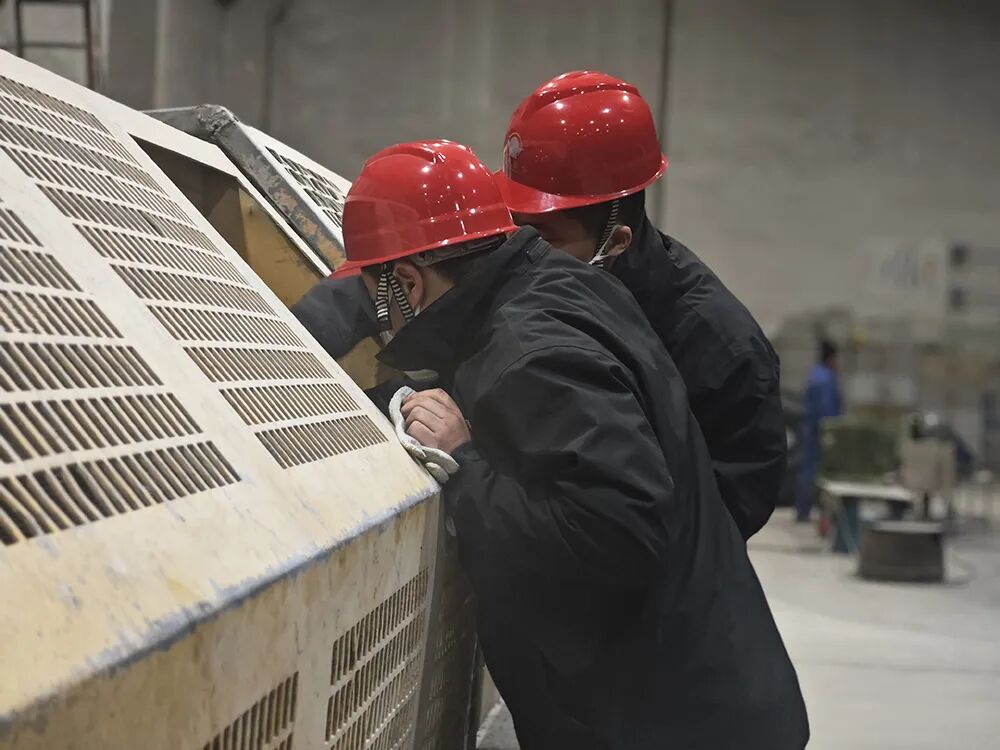
Choosing a wire drawing lubricant is not just about choosing a product that matc...
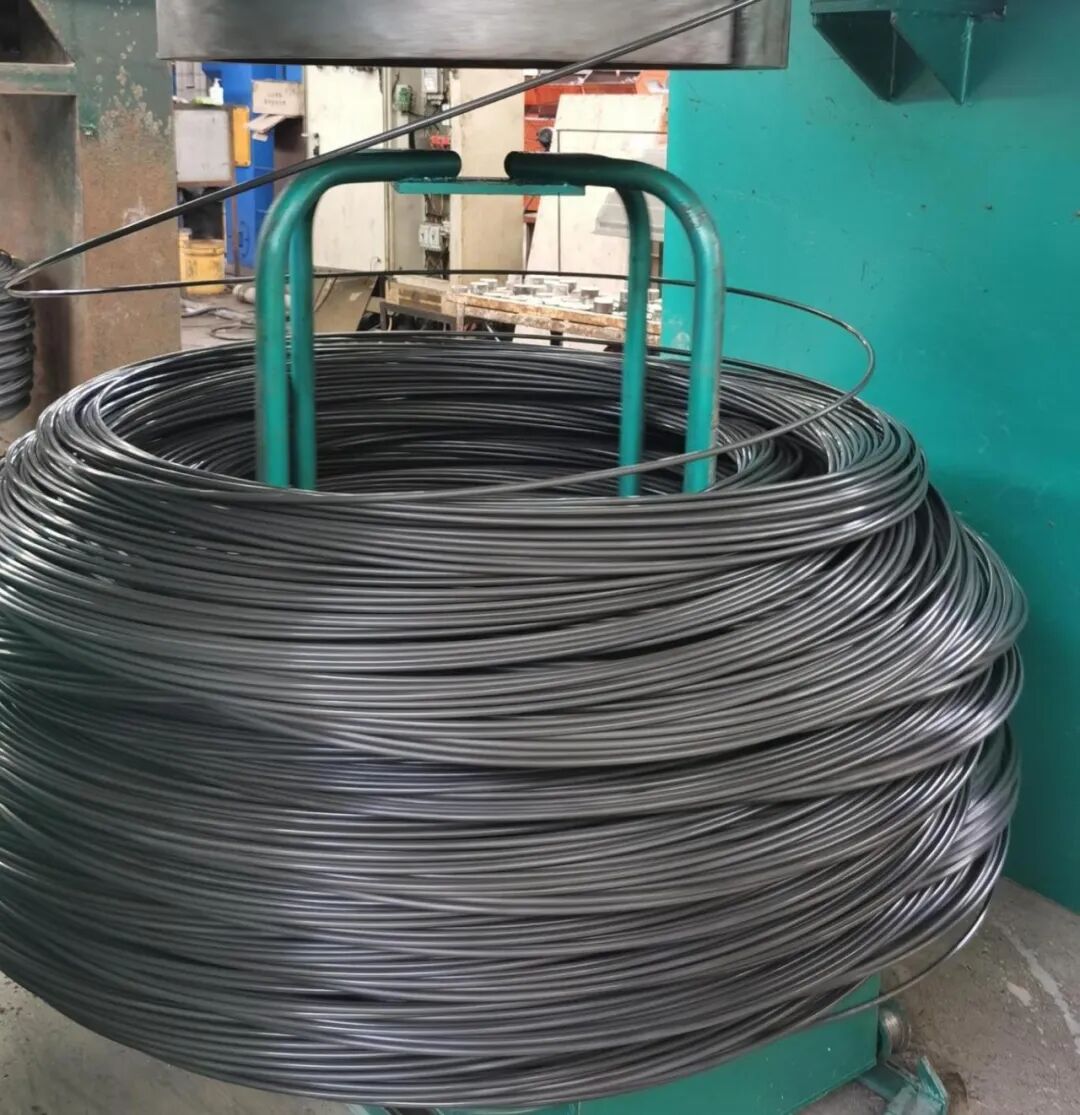
Steel wire is a simple-looking product, but behind a thin metal wire is a comple...
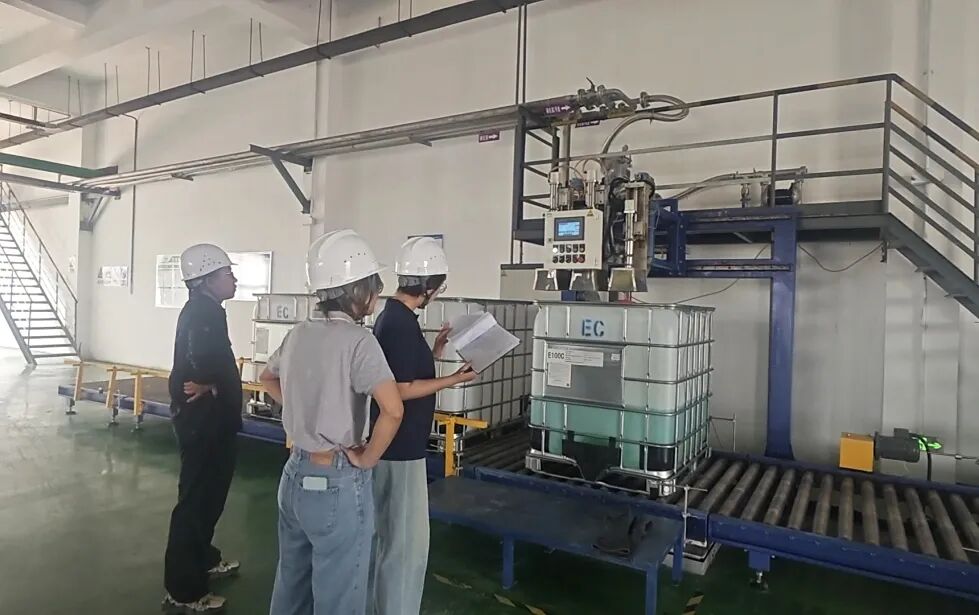
Recently, Pino welcomed an audit team from Bekaert, a global leader in the steel...
What is wire drawing lubricant? How has dry wire drawing lubricant evolved? And ...
We provide comprehensive wire production chemical solutions to global customers—from high-performance phosphating solutions to advanced dry wire drawing lubricants.