

News
Aug 21,2026
By:Pino
In the wire drawing process, the performance of the wire drawing lubricant directly affects production efficiency, die life, wire surface quality, and process stability.
When problems such as lubricant caking, excessive wire brightness, die sticking, bamboo-shaped deformation, abnormal die wear, or difficult cleaning occur, the lubricant is often one of the factors that should be investigated.
Based on the technical experience of Pino's R&D engineers and field applications, this article summarizes six common problems encountered when using wire drawing powders and lubricants, together with their possible causes and practical solutions.
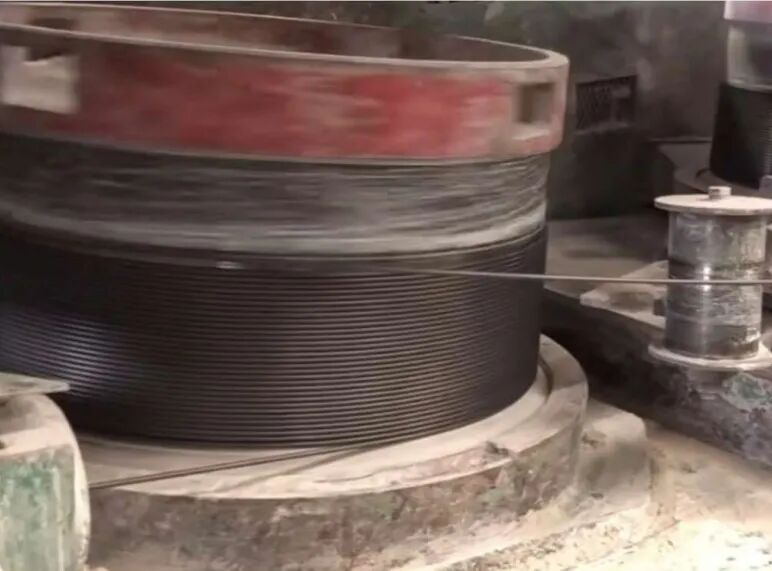
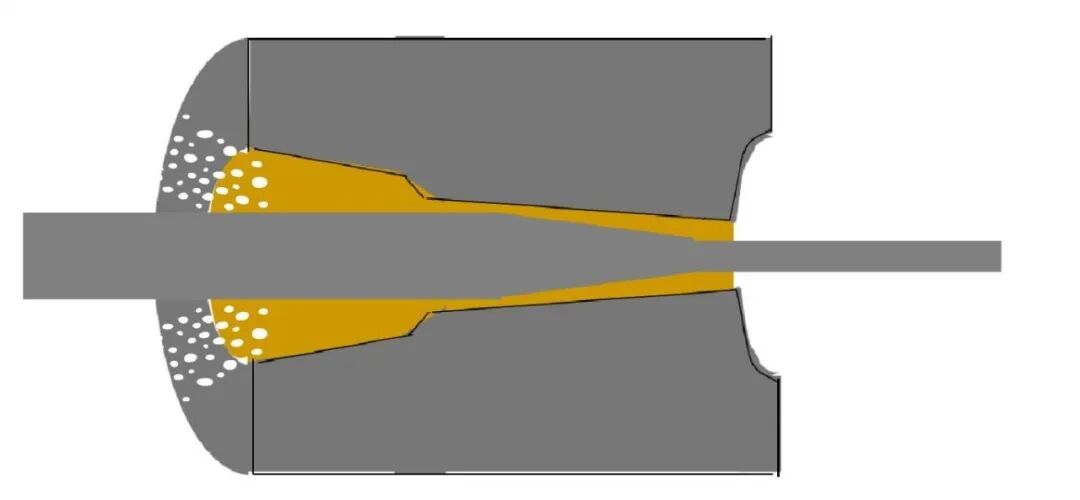
Caking is one of the most common problems encountered when using powdered lubricants in wire drawing.
The lubricant may accumulate around the die entrance or inside the die, forming hard lumps that interfere with stable lubrication.
Common causes include:
Excessive oil or grease content in the lubricant
Poor high-temperature stability of the lubricant
Improper die entry angle or mismatch between the die and wire
Excessive heat generated during drawing
Moisture absorption by the wire drawing powder
When moisture enters the powder, hydration and agglomeration can cause the lubricant to form lumps. At high drawing temperatures, a lubricant with poor thermal stability may also soften, melt, or accumulate around the die.
Several factors should be checked:
1. Check the cooling system
Make sure the die and wire cooling system is working effectively. Excessive drawing temperature can accelerate lubricant softening and accumulation.
2. Select a lubricant with better thermal stability
For high-speed or high-reduction drawing applications, a wire drawing lubricant with appropriate oil content and a higher softening temperature can help reduce caking.
3. Keep the lubricant dry
Moisture-proof storage is important for powdered lubricants. If the powder has absorbed a limited amount of moisture, appropriate drying may restore its usability, depending on the product formulation.
4. Check the die geometry
The die entrance angle and drawing conditions should match the wire diameter, material, reduction ratio, and lubricant characteristics.
A bright wire surface is not always a sign of good drawing quality.
In some cases, excessive brightness indicates that the lubrication film is too thin. As a result, direct contact between the wire and drawing die may increase, leading to surface scratches, scoring, or even peeling.
Possible causes include:
Insufficient lubricant film formation
Insufficient oil or grease content
Inadequate calcium soap coating
Unsuitable drawing conditions
Insufficient surface roughness of the incoming wire
Lubricant film being removed by accumulated material inside the die
The main objective is to improve the stability and thickness of the lubrication film.
Depending on the application, manufacturers can consider:
Selecting a lubricant with stronger film-forming capability
Increasing the appropriate proportion of calcium soap lubricant
Optimizing lubricant supply
Checking the incoming wire surface condition
Inspecting the die for lubricant buildup or hardened residues
The correct lubricant should not simply provide a thicker film. It must provide the right balance between lubricity, film formation, thermal stability, powder flowability, and cleaning performance.
In some drawing operations, accumulated lubricant can form a sleeve-like layer around the wire or at the die entrance. This can eventually interfere with stable drawing and may cause die sticking or blockage.
This problem is often related to:
Excessive lubricant accumulation
Lubricant caking
Excessively thick lubrication films
Poor high-temperature stability
Improper die geometry
Inadequate cooling
When the lubricant softens excessively at high temperature, it can become sticky and accumulate around the die.
Preventive measures include:
Reducing lubricant accumulation
Improving cooling conditions
Selecting a lubricant with better high-temperature stability
Optimizing the die entry angle and reduction ratio
Keeping the lubricant powder dry
Regularly inspecting and cleaning the die
In practice, preventing lubricant caking is also an important part of preventing die sticking.
"Bamboo-shaped" wire, sometimes described as local necking or periodic deformation, is usually associated with unstable deformation during drawing.
One possible cause is localized overheating caused by inadequate lubrication. When the lubrication film becomes unstable, friction between the wire and die increases, resulting in higher heat generation.
Possible contributing factors include:
Insufficient lubrication
Poor lubricant performance at high temperatures
Excessive friction
Improper die entry angle
Unsuitable reduction ratio
Inadequate cooling
Unstable drawing conditions
The drawing system should be evaluated as a whole rather than focusing only on the lubricant.
Check:
Lubricant → Die geometry → Reduction ratio → Cooling → Drawing speed → Incoming wire condition
For applications involving high drawing speeds or high deformation, a high-temperature wire drawing lubricant with good thermal stability can help maintain a stable lubrication film and reduce friction-related deformation.
Die wear is one of the most important cost factors in wire drawing.
When lubrication is insufficient, direct metal-to-die contact increases. This raises friction and heat generation and can accelerate die wear.
Lubricant buildup can also contribute to abnormal wear. Hardened lubricant residues inside the die may act like abrasive particles, damaging the working surface of the die.
Common causes include:
Insufficient lubrication
Poor lubricant film strength
Excessive drawing temperature
Lubricant caking or hard residues
Improper die geometry
Excessive reduction per pass
Poor wire surface condition
Improving die life requires more than simply increasing lubricant consumption.
A better approach is to optimize the complete drawing system:
Select the appropriate wire drawing lubricant
Maintain a stable lubrication film
Control drawing temperature
Prevent lubricant caking
Optimize die geometry and reduction
Maintain good incoming wire surface quality
Regularly inspect die condition
A stable lubrication system can help reduce friction, control temperature, improve surface quality, and ultimately extend wire drawing die life.
Different wire products have different requirements for subsequent processing.
For example, wire that will undergo electroplating, coating, heat treatment, or other surface treatments may require a different level of surface cleanliness after drawing.
If the lubricant forms a thick, sticky, or strongly adherent film, cleaning in the following process may become more difficult.
The cleaning performance of a wire drawing lubricant can be affected by:
Lubricant formulation
Calcium soap and sodium soap ratio
Film thickness
Drawing temperature
Drawing reduction
Subsequent cleaning process
Requirements of the downstream surface treatment
The lubricant should be selected according to the complete production process rather than only the drawing stage.
For applications requiring easy cleaning, it is important to consider:
Residue characteristics
Film thickness
Water or alkaline cleaning compatibility
Calcium soap/sodium soap balance
Downstream processing requirements
For example, wire intended for electroplating may require a drawing lubricant that provides sufficient lubrication performance while leaving a relatively easy-to-remove residue.
At Pino, lubricant formulations can be adjusted according to the customer's wire material, drawing process, equipment, and downstream treatment requirements.
There is no single wire drawing lubricant that is suitable for every application.
The correct selection should consider several factors:
Different materials, such as high-carbon steel, low-carbon steel, stainless steel, and alloy steel, have different lubrication requirements.
The initial diameter, final diameter, reduction per pass, and number of drawing passes all influence lubricant requirements.
Higher drawing speeds generally generate more heat and require better thermal stability and lubrication performance.
Die entry angle, bearing length, compression ratio, and die material all affect lubricant behavior.
Insufficient cooling can increase lubricant temperature and accelerate caking, softening, or film failure.
If the wire will subsequently undergo electroplating, coating, heat treatment, or other surface treatment, the cleaning characteristics of the lubricant should also be considered.
When a wire drawing problem occurs, changing the lubricant immediately is not always the best solution.
A systematic troubleshooting process is usually more effective.
Step 1: Check the wire surface
Look for rust, scale, excessive roughness, insufficient surface preparation, or contamination.
Step 2: Check the lubricant
Evaluate powder condition, moisture, caking, consumption, film formation, and high-temperature stability.
Step 3: Check the die
Inspect die geometry, wear, buildup, scratches, and possible lubricant residues.
Step 4: Check the drawing parameters
Review drawing speed, reduction ratio, tension, temperature, and cooling conditions.
Step 5: Check the downstream requirements
Determine whether the wire needs electroplating, coating, heat treatment, or other surface treatment.
Only after these factors have been evaluated can the most appropriate wire drawing lubricant solution be selected.
Problems in wire drawing are rarely caused by a single factor.
Lubricant performance, wire surface condition, die geometry, drawing parameters, cooling, and downstream processing all interact with each other.
Common problems such as lubricant caking, excessive wire brightness, die sticking, bamboo-shaped deformation, abnormal die wear, and difficult cleaning can often be reduced through systematic process optimization.
The key is not simply to use more lubricant, but to select a lubricant that matches the wire material, drawing conditions, die design, production speed, and downstream process.
With experience in wire drawing lubrication and surface treatment, Pino provides customized wire drawing lubricant solutions for different wire drawing applications. By analyzing the actual production conditions, lubricant performance, and process requirements, we help customers improve drawing stability, wire surface quality, die life, and overall production efficiency.
If you are experiencing wire drawing problems such as lubricant caking, excessive wire brightness, die wear, wire surface defects, or difficult cleaning, contact Pino for a technical evaluation and customized lubrication solution.
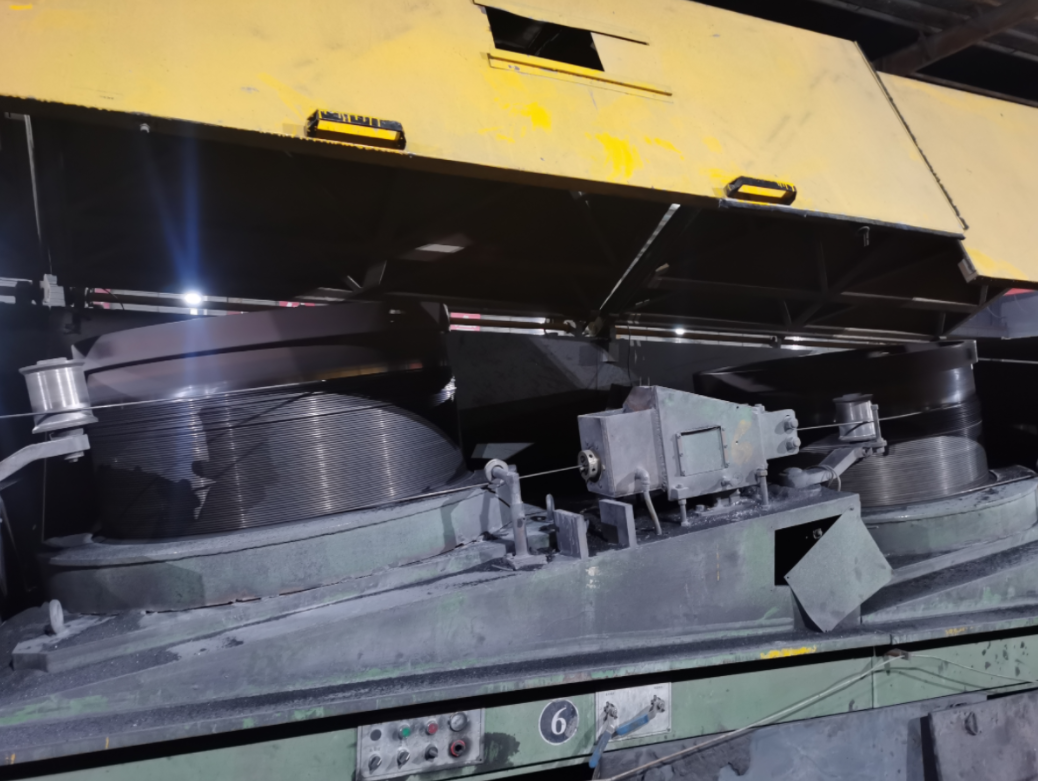
In the steel wire drawing process, the selection of wire drawing lubricant must ...
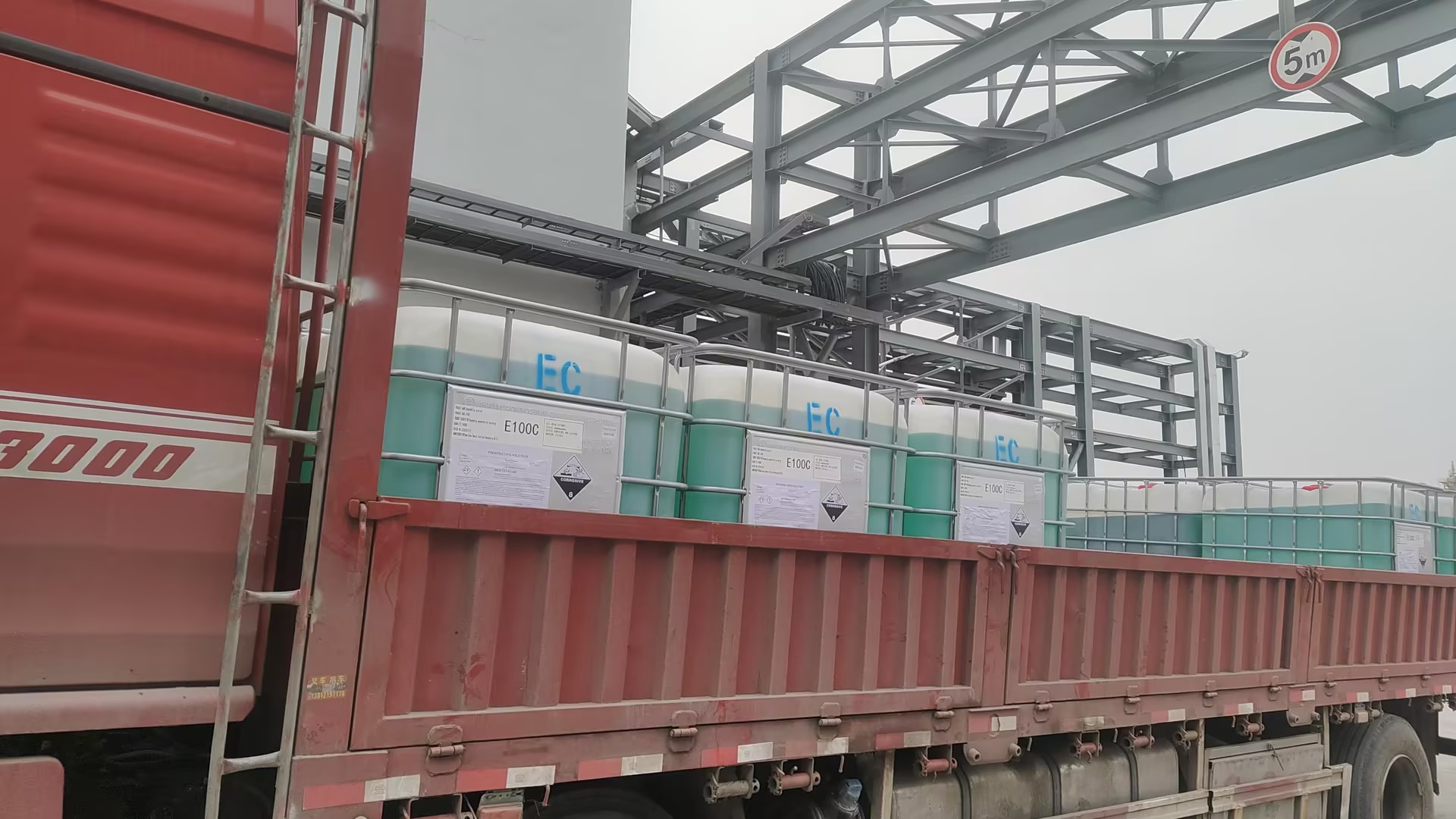
At Pino, we regard quality as the foundation of our business.As a manufacturer o...
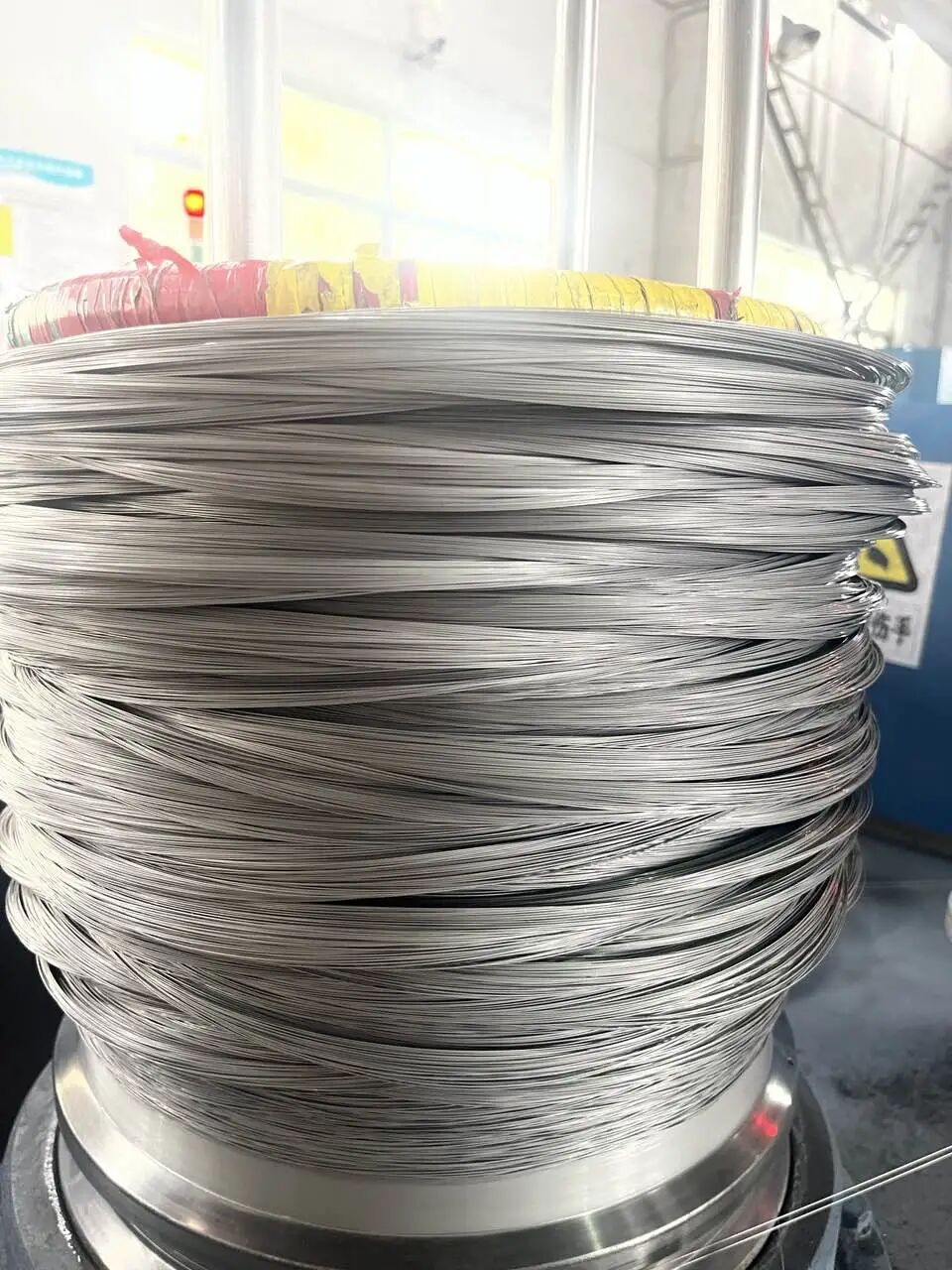
For manufacturers producing stainless steel spring wire, choosing the right wire...
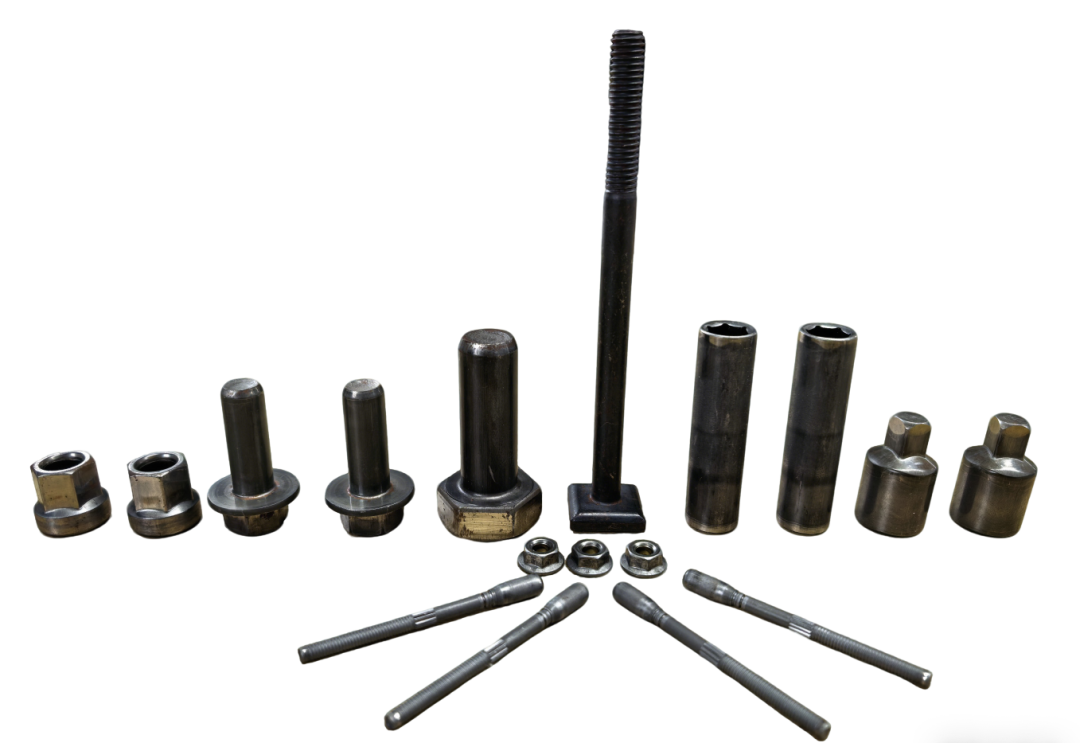
Cold heading wire is widely used in the production of fasteners and precision me...
IntroductionWire drawing—the process of reducing the cross-section of metal rods...
We provide comprehensive wire production chemical solutions to global customers—from high-performance phosphating solutions to advanced dry wire drawing lubricants.