

News
Oct 26,2026
By:Pino
Electrolytic phosphating is attracting increasing attention from steel wire manufacturers. Many are interested in its potential to reduce phosphating sludge, operate at lower temperatures and shorten the phosphating section of the production line.
But how does the process actually work? What makes it different from conventional phosphating? And, most importantly, does it offer a cost advantage?
To answer these questions, it is worth looking at the process itself and how it affects day-to-day production costs.
In conventional phosphating, iron dissolves from the steel surface during the reaction. The dissolved iron can react with phosphate ions to form iron-containing precipitates, contributing to phosphating sludge.
Electrolytic phosphating uses a different approach to form the coating.
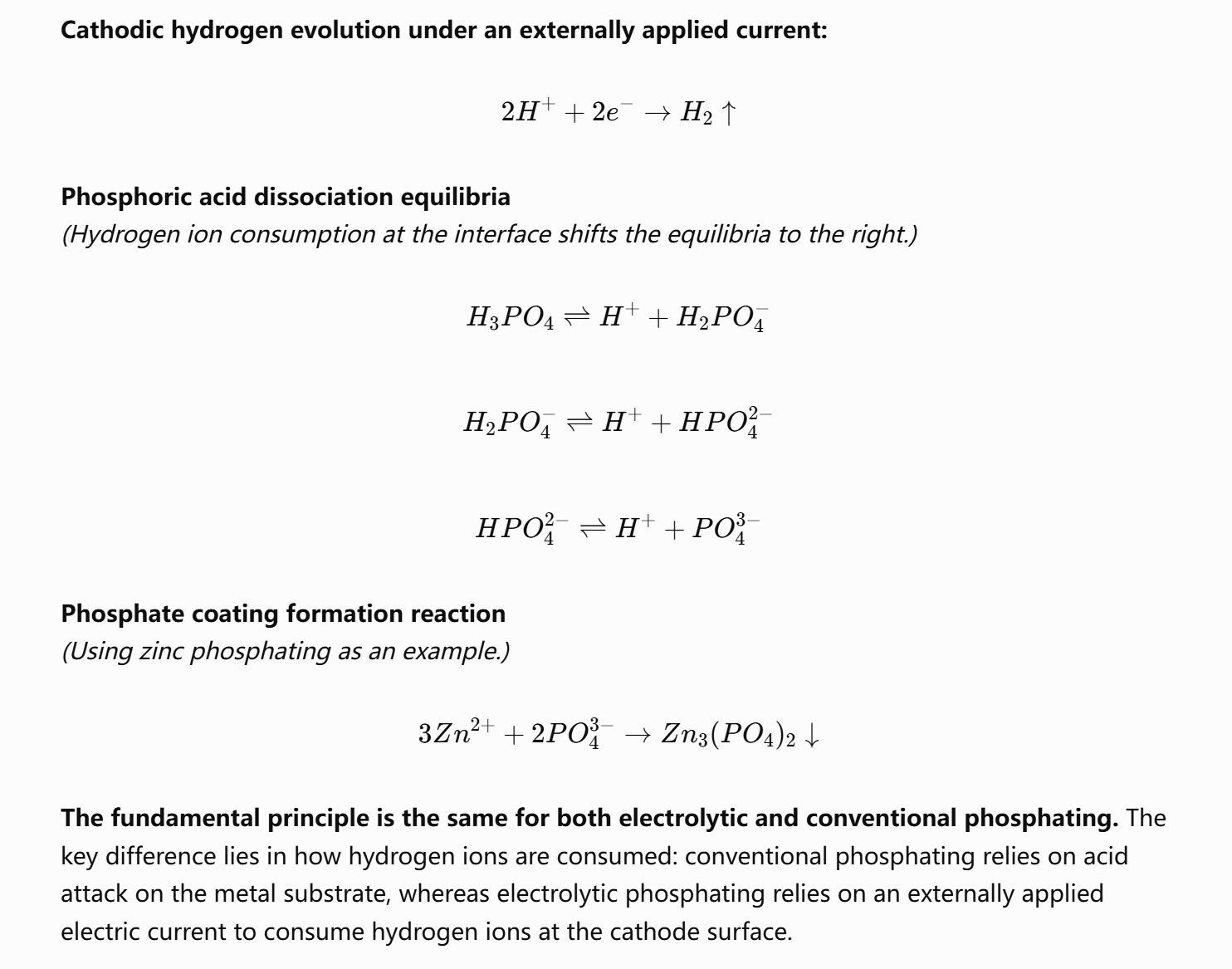
During the process, the steel wire acts as the cathode. An applied electric current drives cathodic reactions at the wire surface, consuming hydrogen ions (H⁺) near the interface. This changes the local chemical conditions and promotes the formation of phosphate ions and the precipitation of zinc phosphate and other coating components.
Once the local conditions are suitable, phosphate crystals form and deposit on the steel wire surface, creating the phosphating layer.
Because the steel wire is cathodically polarized, iron dissolution is strongly suppressed under suitable operating conditions. As a result, much less iron enters the solution and contributes to sludge formation.
This is one of the main advantages of electrolytic phosphating: significantly reduced sludge generation, with little or no sludge under suitable process conditions.
For continuous steel wire production, this can reduce the burden of tank cleaning, sludge handling and routine maintenance.
Conventional phosphating often relies on higher temperatures to accelerate the chemical reactions and achieve the required coating within the available processing time.
Electrolytic phosphating introduces another way to control the reaction: an externally applied electric current.
By adjusting the electrical parameters, the process can promote coating formation without relying as heavily on elevated temperatures. This makes lower-temperature operation possible in suitable applications.
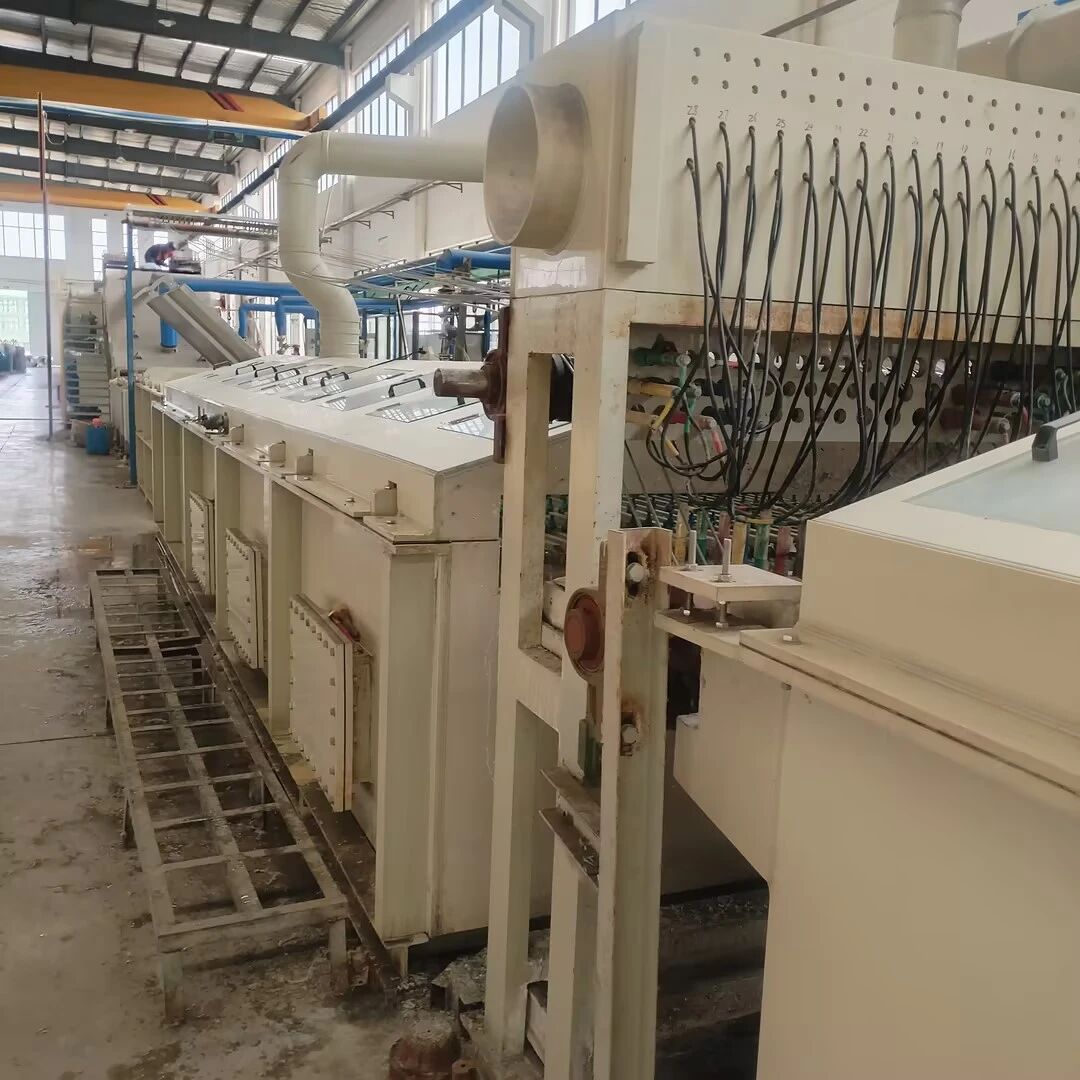
The applied current also helps control the rate of coating formation. When the process reaches the required coating weight in a shorter time, the length of the phosphating section can be reduced.
In practical applications, the required phosphating distance can be as short as 5 metres or even less, depending on the steel grade, line speed, coating requirements and overall process design.
A shorter phosphating section can make a difference when designing a new production line or modifying an existing one. It can also provide greater flexibility when space is limited.
The actual operating temperature and required reaction time still need to be determined according to the production conditions and the coating performance required.
In continuous steel wire production, coating weight needs to match the requirements of the subsequent drawing process. Too little coating may compromise lubrication, while excessive coating can mean unnecessary chemical consumption.
Electrolytic phosphating offers two important process variables: current density and reaction time.
By adjusting these parameters, manufacturers can control the rate and amount of coating formation. Within the appropriate operating range, increasing current density or reaction time can increase coating weight, while reducing them can lower it.
This provides greater flexibility when matching the phosphating process to different steel grades, line speeds and downstream drawing requirements.
However, coating weight does not depend on electrical parameters alone. Bath composition, temperature, surface preparation and other operating conditions also affect the final result. Process settings should therefore be established and verified through production trials.
The cost of phosphating should not be judged by the price of the chemical alone. What matters is the total cost of running the process over time.
Electrolytic phosphating may offer savings in several areas.
Lower sludge handling and maintenance costs
Less sludge means less material to remove and handle, potentially reducing cleaning frequency, labour requirements and production interruptions.
Lower energy consumption
Where the process can operate at a lower temperature, less energy may be required for heating the phosphating bath. Actual savings depend on the operating temperature, line speed, heating system and production schedule.
Reduced phosphating solution consumption
When sludge formation is significantly reduced, less phosphate material is lost through sludge generation. This can improve chemical utilisation and help reduce overall solution consumption. Actual consumption still depends on drag-out, replenishment, bath management and coating requirements.
Potential savings in production line space
A shorter phosphating section can reduce space requirements and provide more flexibility in equipment layout. The financial benefit depends on whether the line is newly installed or being retrofitted.
These potential savings need to be weighed against the investment required for the electrolytic system, including power supplies, electrodes, control equipment and any necessary modifications to the production line.
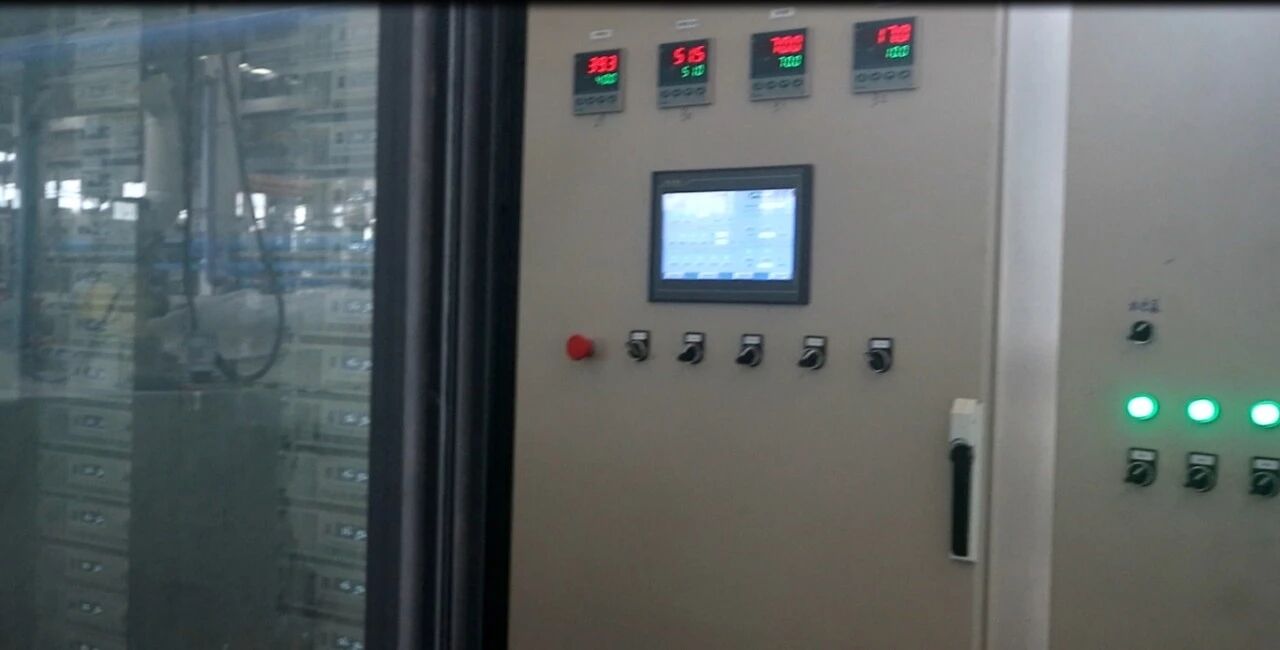
Electrolytic phosphating offers clear process advantages, but it also places greater demands on process control and equipment configuration. The initial investment may also be higher than that of a conventional system.
For steel wire manufacturers, the important questions are practical:
Can the process meet the coating requirements of the steel grade being drawn?
Can it maintain stable coating quality at the required production speed?
How much can sludge handling, energy use and chemical consumption actually be reduced?
Will the savings over the expected service life justify the additional equipment investment?
The answers depend on the steel grade, drawing process, production volume, line speed, coating requirements and current operating costs.
The most reliable way to evaluate electrolytic phosphating is to compare the total operating costs over the same production period, rather than looking at chemical prices or equipment costs in isolation.
At PINO, we provide phosphating solutions and dry wire drawing lubricants for steel wire production. Understanding the actual production conditions is an important first step in evaluating whether electrolytic phosphating is the right choice for a particular application.
Considering electrolytic phosphating for your production line?
Contact our technical team to discuss your steel grade, line speed, coating requirements and current phosphating process.
Recently, the Pino team visited a customer's production site to provide stee...
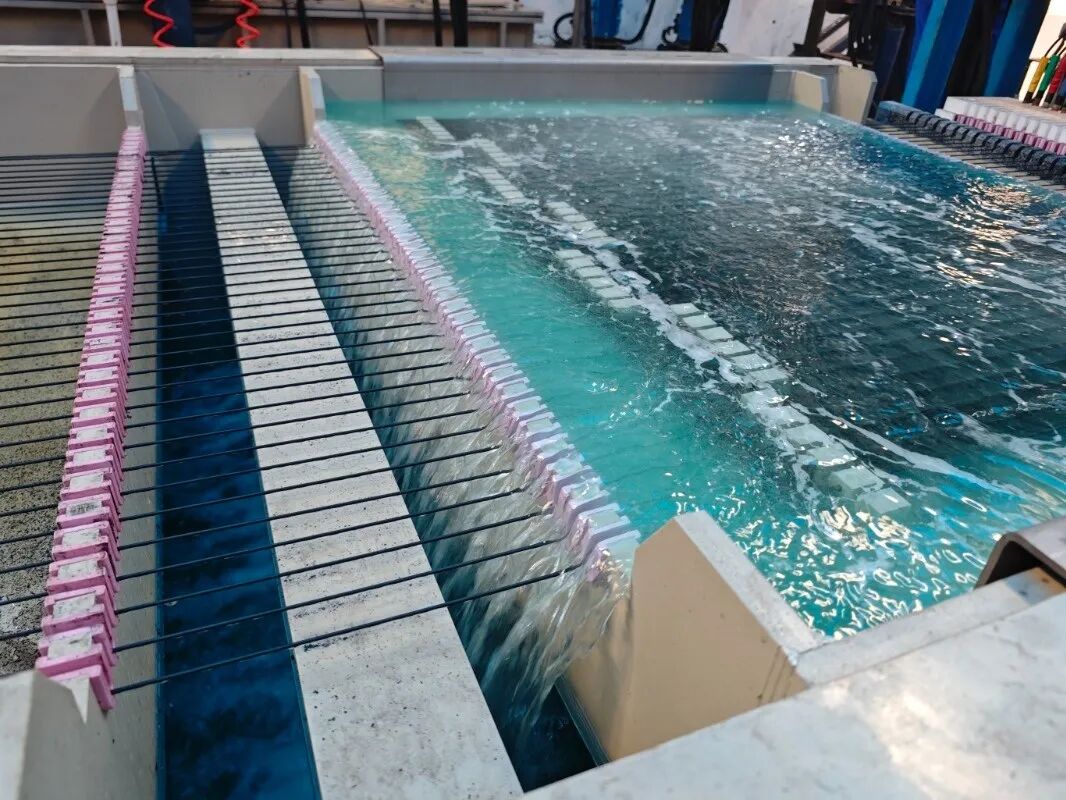
Electrolytic phosphating is attracting increasing attention from steel wire manu...
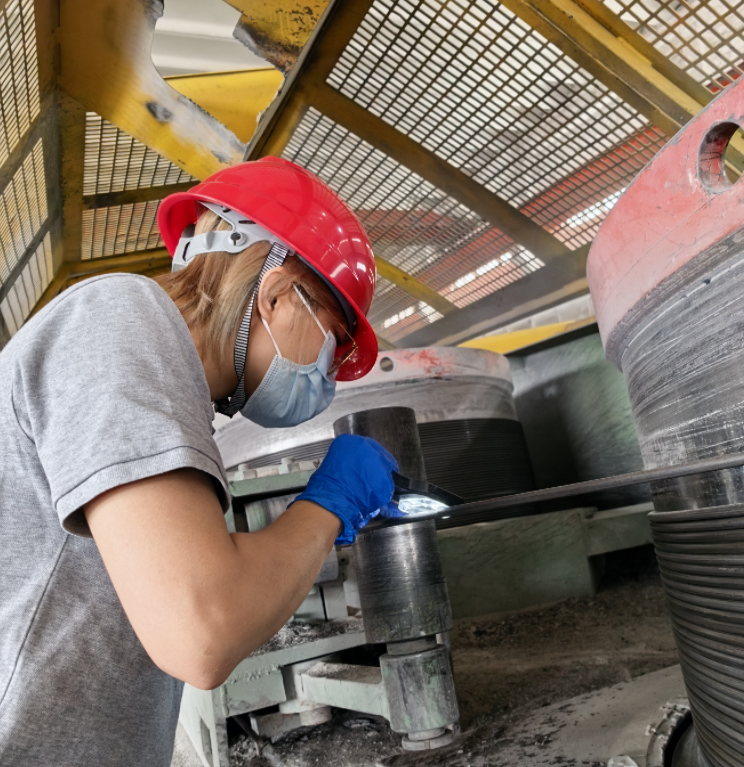
1. Why Does Wire Break During Drawing?Wire breakage is one of the most disruptiv...
In steel wire drawing, choosing the right dry drawing lubricant is essential for...
How Pino investigated and resolved a coating weight issue through coordinated ch...
We provide comprehensive wire production chemical solutions to global customers—from high-performance phosphating solutions to advanced dry wire drawing lubricants.