

News
Aug 18,2026
By:Pino
So, how should you choose the right wire drawing lubricant for stainless steel wire?
The answer depends on several key factors, including the stainless steel grade, reduction rate, wire diameter, drawing speed, drawing stage, and final surface requirements.
In this article, we explain the basic logic behind stainless steel wire drawing lubricant selection and how to choose the right drawing powder for different drawing stages.
Before selecting a wire drawing lubricant, it is important to understand the characteristics of stainless steel during drawing.
Compared with ordinary carbon steel, stainless steel generally has more demanding deformation characteristics during cold drawing.
As drawing continues, plastic deformation causes significant work hardening. The internal microstructure of the wire changes, and its ability to undergo further deformation gradually decreases.
If lubrication and cooling are insufficient, friction and drawing temperature can increase rapidly. The wire may then become excessively hardened and eventually develop cracks or even break during drawing.
Therefore, effective lubrication is not only about reducing friction. It also plays an important role in controlling heat generation and protecting the wire during deformation.
Stainless steel wire has a relatively smooth surface, which makes it more difficult for solid drawing lubricant to remain on the wire and enter the die.
At the same time, the interaction between the stainless steel wire and drawing die can become severe under high pressure.
If the lubricant film is not strong enough to separate the wire from the die, direct metal-to-die contact may occur.
This can lead to:
Surface scratches
Die pickup
Galling
Excessive die wear
High drawing temperature
Wire breakage
Inconsistent surface finish
This is why choosing a suitable stainless steel wire drawing lubricant is critical.
A practical approach is to divide stainless steel wire drawing into different stages.
The lubrication requirements of initial drawing and intermediate or fine drawing are not exactly the same.
Initial drawing usually involves a relatively high reduction rate.
A typical solution is to use a calcium-based wire drawing powder, often combined with suitable extreme-pressure or extrusion additives.
The main advantage is its ability to form a relatively thick and robust lubrication film.
This film helps separate the stainless steel wire from the die and reduces direct metal-to-metal contact under high drawing pressure.
During the early drawing passes, the total reduction can be significant. Therefore, the lubricant needs to provide strong film-forming capability and sufficient load-carrying performance.
Suitable additives can further improve the lubricant's ability to resist:
High pressure
High temperature
Die pickup
Galling
Surface scratching
For demanding initial drawing operations, simply choosing a conventional drawing powder may not be sufficient. The lubricant needs to be matched to the actual reduction and drawing conditions.
As the wire moves toward intermediate and fine drawing stages, the requirements can change.
For these processes, calcium-sodium-based or sodium-based wire drawing lubricants are commonly considered.
One reason is the difference in the surface condition produced after drawing.
Compared with calcium-based drawing powder, sodium-based lubricants can provide a relatively cleaner and more lubricious surface appearance under suitable drawing conditions.
This can be particularly important when the downstream process requires:
A brighter wire surface
Better surface appearance
Lower surface roughness
Easier subsequent processing
Specific final surface conditions
Therefore, the optimal lubricant is not necessarily the same throughout the entire drawing line.
A practical strategy is:
High-reduction initial drawing → calcium-based lubricant
Intermediate drawing → calcium-sodium or suitable calcium-based formulation
Fine drawing / high-speed drawing → sodium-based lubricant where surface requirements demand it
The exact selection should always be verified through production trials.
Lubricant selection is only one part of the solution.
Another important issue is lubricant carrying and feeding.
Stainless steel wire generally has a smooth surface. Compared with some other steel wire types, it may be more difficult for dry drawing powder to adhere to the wire surface and enter the drawing die effectively.
This can result in insufficient lubricant supply at the die entrance.
A forced lubrication system, such as a lubricant box or powder feeding device, can help introduce sufficient drawing powder into the die.
The objective is to make sure that the lubricant reaches the deformation zone rather than remaining outside the effective lubrication area.
This is especially important for:
High-speed drawing
High-reduction drawing
Small-diameter stainless steel wire
Multiple-pass drawing
Processes with strict surface-finish requirements
If the lubricant itself is suitable but the feeding system is poor, surface scratches and wire breakage may still occur.
Lubrication cannot solve every wire breakage problem.
Annealing is another critical part of stainless steel wire drawing.
As the wire passes through multiple drawing dies, it continuously undergoes plastic deformation and work hardening.
When the accumulated deformation becomes too high, the wire may become too hard and lose sufficient ductility for the next drawing stage.
If the operator continues drawing without appropriate intermediate annealing, the risk of wire breakage can increase significantly.
Proper annealing can help restore the required ductility and improve the wire's ability to undergo further deformation.
Therefore, for multi-pass stainless steel wire drawing, the relationship between:
Drawing → Work Hardening → Annealing → Further Drawing
needs to be considered as a complete process rather than as independent operations.
For many stainless steel wire drawing applications, the process logic can be summarized as follows.
Before drawing, appropriate surface preparation or coating can be used to improve the adhesion and carrying capacity of the drawing lubricant.
A suitable inorganic coating can provide a better carrier for subsequent drawing powder.
Use a lubricant with strong film-forming and load-carrying properties.
For high-reduction initial drawing, a calcium-based wire drawing lubricant with suitable additives can be considered.
The objective is to:
Build a strong lubrication film
Reduce die-wire contact
Prevent galling
Control drawing temperature
Reduce surface damage
When work hardening becomes significant, an appropriate annealing process may be required to restore ductility and prepare the wire for subsequent drawing.
During fine drawing, particularly at higher drawing speeds or when a brighter surface is required, sodium-based or calcium-sodium-based wire drawing lubricants may be considered.
The final choice should depend on the stainless steel grade, wire size, drawing speed, reduction per pass, and required surface finish.
There is no single wire drawing powder that is ideal for every stainless steel application.
The lubricant formulation should be evaluated according to the actual production conditions.
| Drawing Factor | Key Consideration |
|---|---|
| Stainless steel grade | Different grades have different deformation and work-hardening behavior |
| Wire diameter | Smaller diameters may require different lubrication and cooling conditions |
| Reduction per pass | Higher reduction requires stronger load-carrying lubrication |
| Drawing speed | Higher speed increases frictional heat and lubrication demands |
| Die material | Die geometry and material influence friction and lubricant requirements |
| Surface finish | Bright or high-quality surfaces require appropriate lubricant selection |
| Number of passes | More passes increase cumulative work hardening |
| Annealing process | Determines how much deformation the wire can withstand |
| Lubricant feeding | Proper powder carrying is essential for stable lubrication |
| Final application | The required downstream surface condition affects lubricant selection |
Possible causes include:
Insufficient lubrication
Poor lubricant feeding
Die wear
Die pickup or galling
Excessive drawing temperature
Improper die geometry
Inadequate surface preparation
Possible causes include:
Excessive reduction
Severe work hardening
Insufficient intermediate annealing
Poor cooling
Excessive drawing temperature
Inadequate lubrication
Surface defects
Incorrect lubricant selection
Possible causes include:
Unsuitable lubricant type
Insufficient lubricant film
Excessive die wear
Poor lubricant carrying
Incorrect drawing speed
Inappropriate drawing reduction
The key is to identify whether the problem originates from the lubricant, material, die, equipment, or process parameters rather than simply changing the drawing powder.
The choice between calcium-based and sodium-based lubricants should be based on the drawing stage and final product requirements.
| Lubricant Type | Typical Application | Main Advantage |
| Calcium-based | Initial / high-reduction drawing | Strong film formation and load-carrying capability |
| Calcium-sodium based | Intermediate drawing | Balance between lubrication and surface condition |
| Sodium-based | Fine / high-speed drawing | Good lubricity and relatively bright surface condition |
This table provides a general selection principle rather than a fixed formula.
In actual production, lubricant performance should be validated through trials under the customer's specific drawing conditions.
Selecting a wire drawing lubricant for stainless steel wire is not simply a matter of choosing calcium-based or sodium-based powder.
The real key is to match the lubricant to the entire drawing process.
A practical selection logic is:
Surface preparation → High-reduction initial drawing → Intermediate annealing → Fine drawing → Final surface requirements
For initial drawing, a calcium-based lubricant with appropriate additives can provide a strong lubrication film and help withstand high pressure.
For intermediate and fine drawing, calcium-sodium or sodium-based formulations may be more suitable when better surface appearance and high-speed drawing performance are required.
However, the final lubricant selection should be adjusted according to:
Stainless steel grade + wire diameter + reduction rate + drawing speed + die design + cooling conditions + annealing process + final surface requirements.
At Pino, we believe that wire drawing lubricant selection should start from the actual production problem rather than from the lubricant itself.
The right lubricant is not simply the one with the best laboratory data—it is the one that matches your wire, your dies, your process, and your final product requirements.
If you are experiencing stainless steel wire surface scratches, wire breakage, die wear, galling, or unstable drawing performance, a systematic analysis of the lubricant, coating, die, feeding system, cooling, and drawing parameters can help identify the real cause.
Have a stainless steel wire drawing problem? Find the right lubrication solution with Pino.
In the steel wire drawing process, the selection of wire drawing lubricant must ...
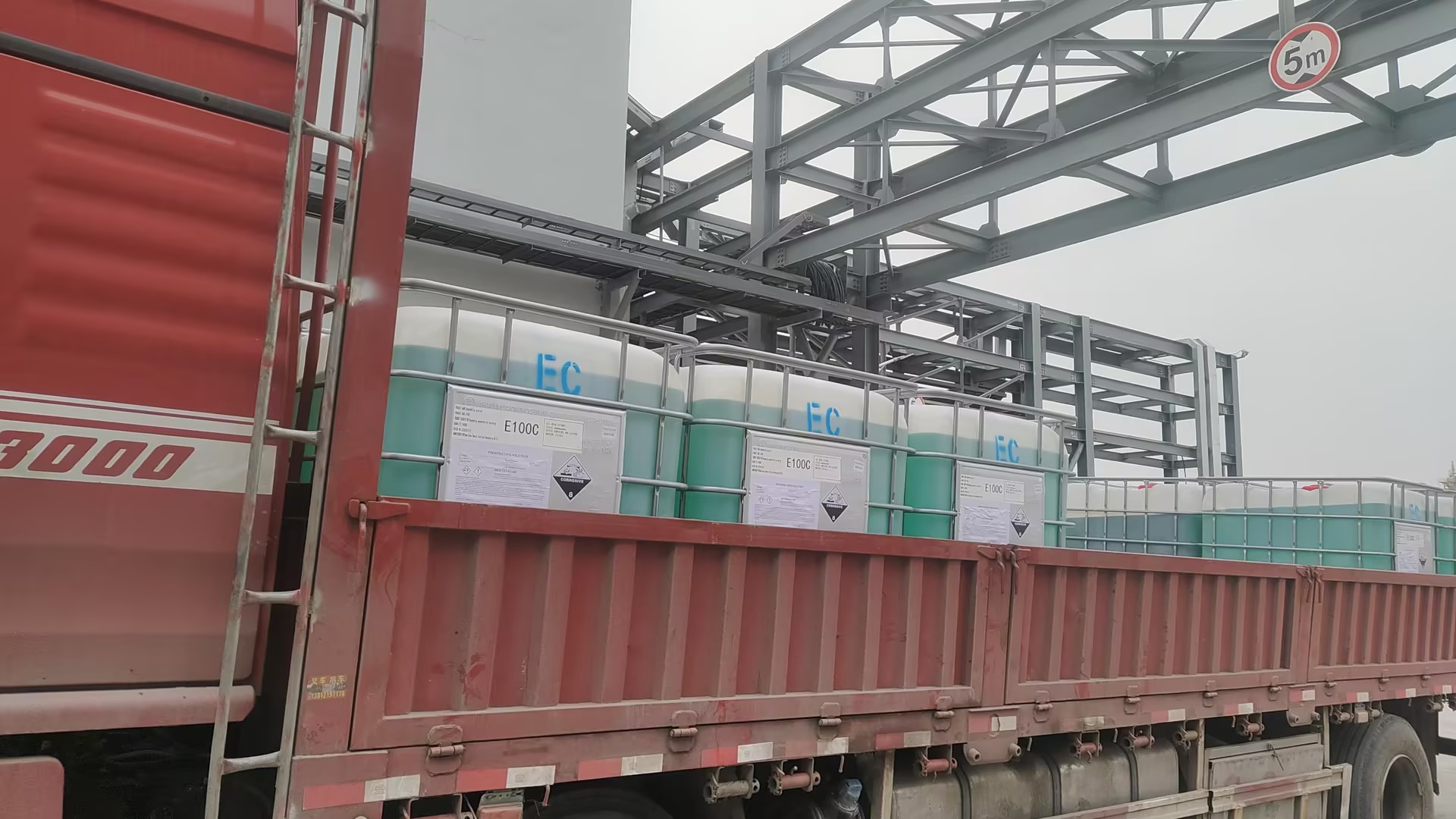
At Pino, we regard quality as the foundation of our business.As a manufacturer o...
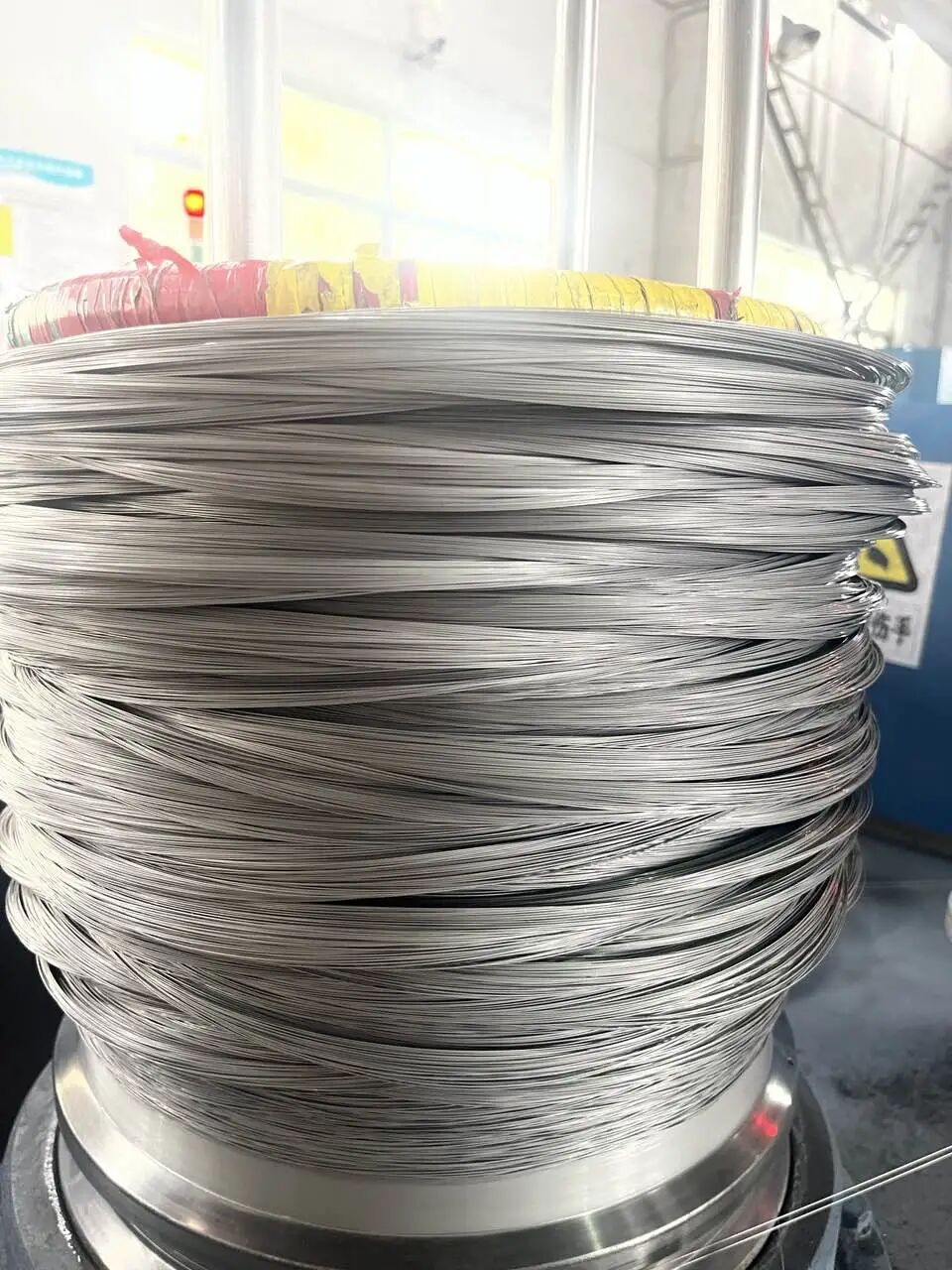
For manufacturers producing stainless steel spring wire, choosing the right wire...
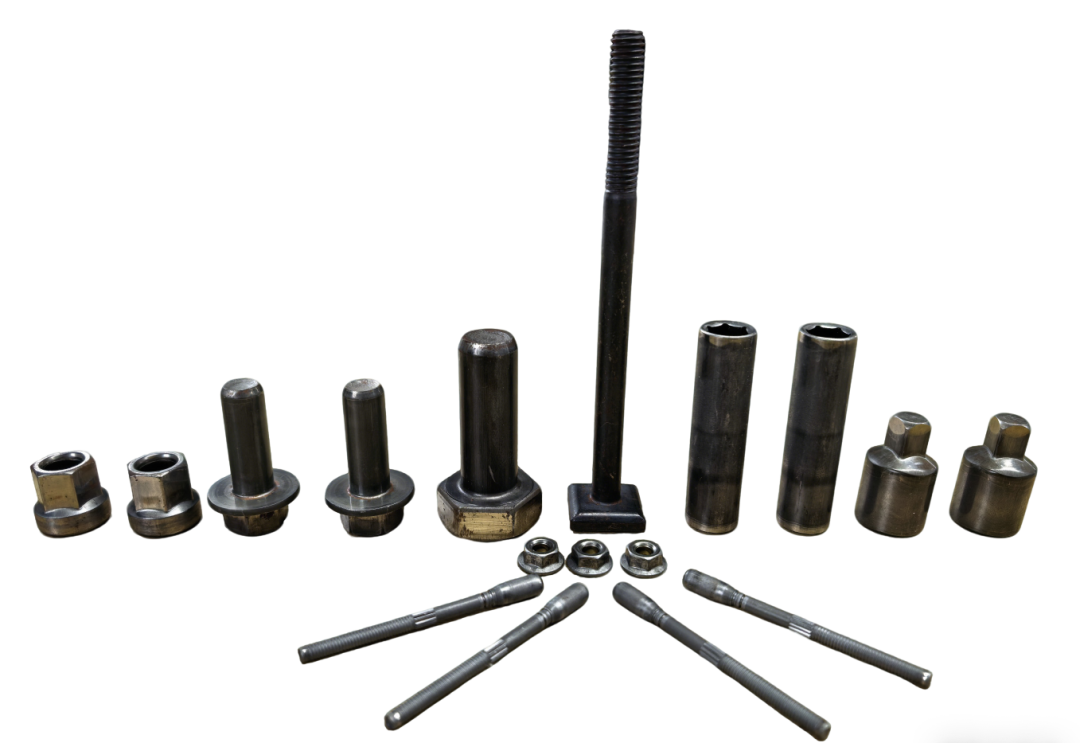
Cold heading wire is widely used in the production of fasteners and precision me...
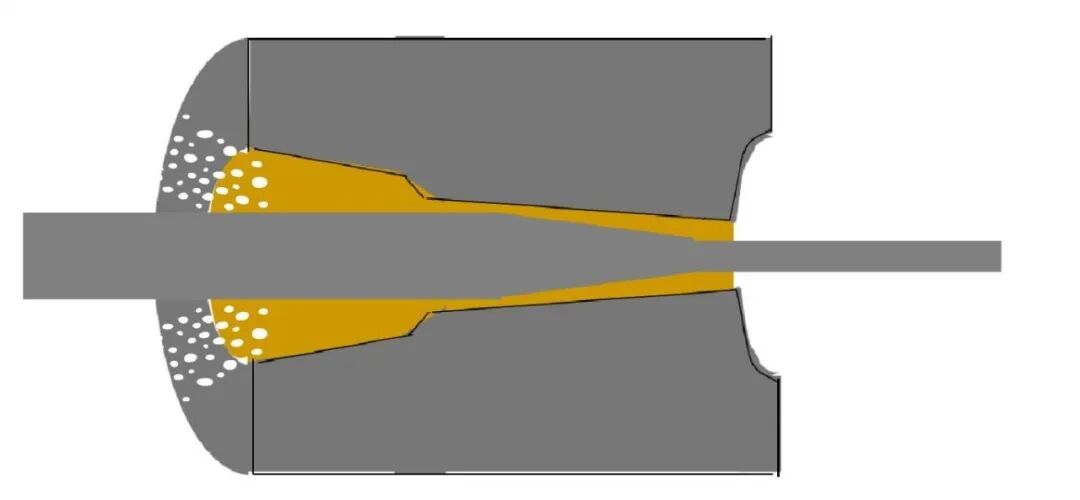
IntroductionWire drawing—the process of reducing the cross-section of metal rods...
We provide comprehensive wire production chemical solutions to global customers—from high-performance phosphating solutions to advanced dry wire drawing lubricants.