

News
Oct 15,2026
By:Pino
How Pino investigated and resolved a coating weight issue through coordinated chemical, equipment, and process analysis.
Low phosphate coating weight can affect the consistency of the phosphating process and create challenges for downstream wire drawing. When this happens, changing chemical parameters alone may not be enough. The equipment, operating conditions, and actual production practices also need to be examined.
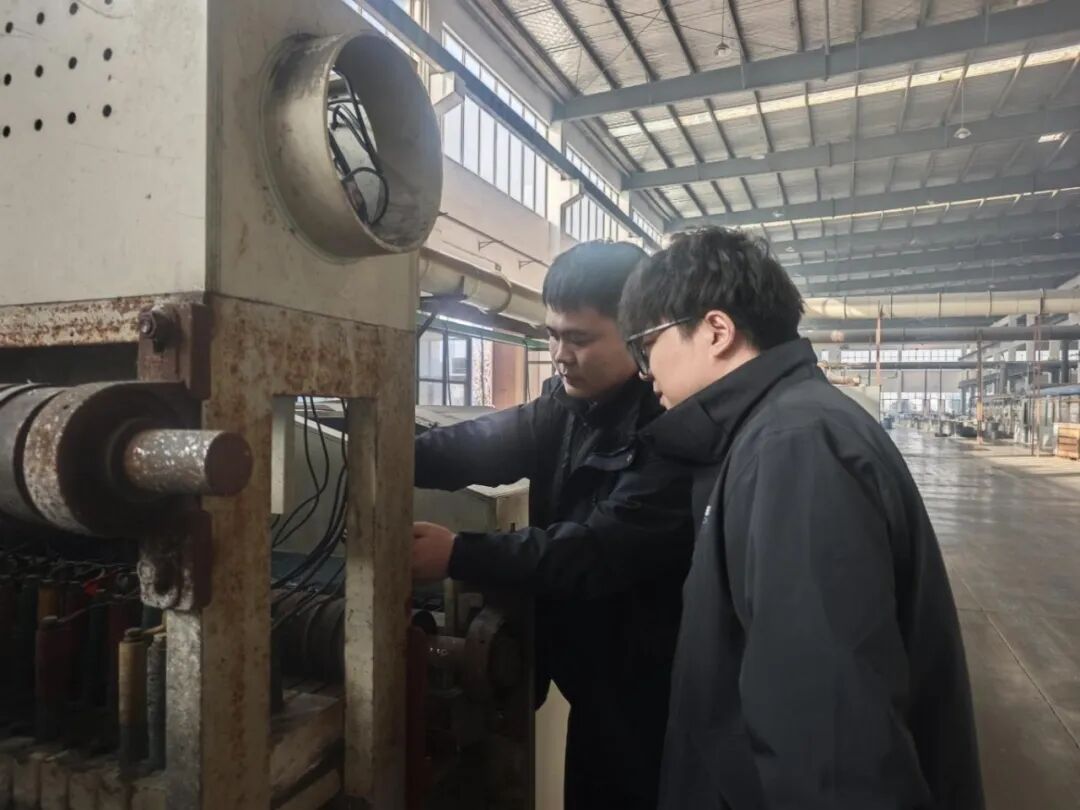
Recently, a customer reported a low coating weight issue on an electrolytic phosphating line. After receiving the production data, Pino organized a joint response involving chemical R&D engineers and hardware and software engineers.
The team went to the customer’s site to investigate the problem, identify the root cause, implement corrective measures, and verify the results.
The objective was clear: resolve the immediate issue and establish measures to reduce the risk of recurrence.
The issue was identified during the customer’s electrolytic phosphating production process. The reported coating weight was lower than expected, requiring further investigation.
Phosphate coating weight is an important process indicator in steel wire phosphating. However, a low reading does not automatically identify the cause.
Depending on the production line, relevant factors may include the condition of the phosphating solution, electrical parameters, electrode condition, equipment cleanliness, operating practices, and measurement procedures.
Rather than adjusting a single parameter based on assumptions, Pino began by reviewing the reported data and arranging an on-site technical investigation.
The investigation involved both hardware and software engineers and chemical R&D engineers. Each team examined a different part of the process, while sharing findings to establish a complete picture of the production conditions.
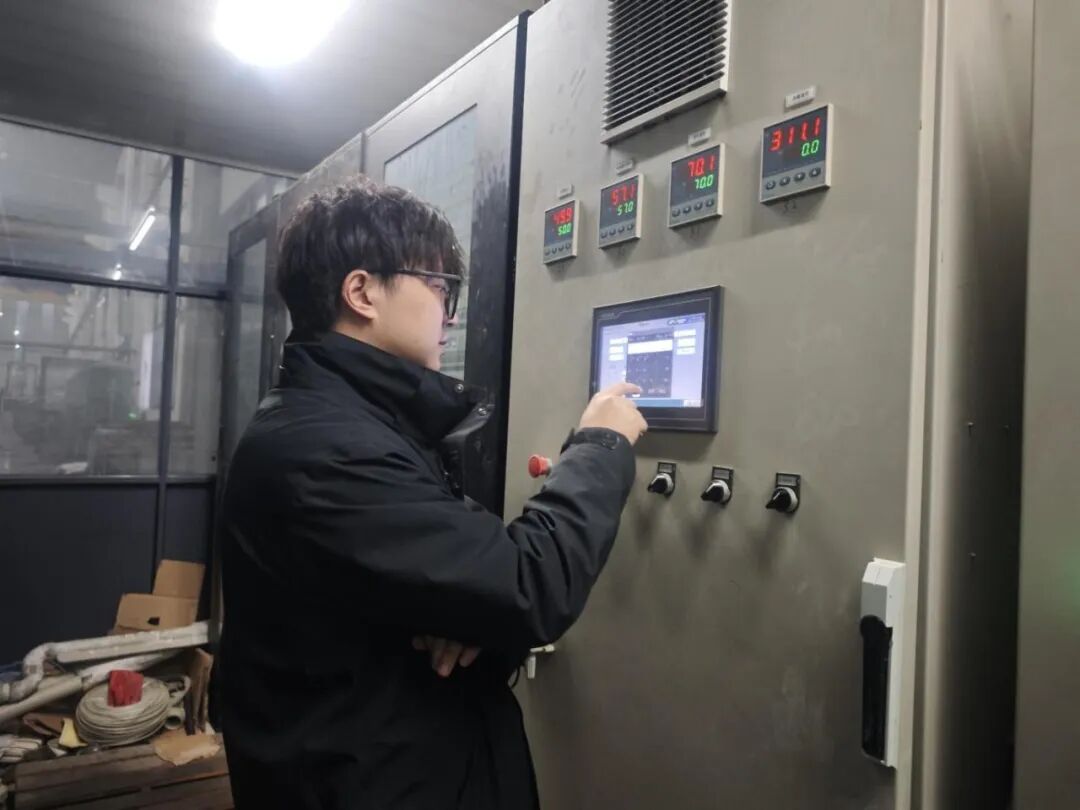
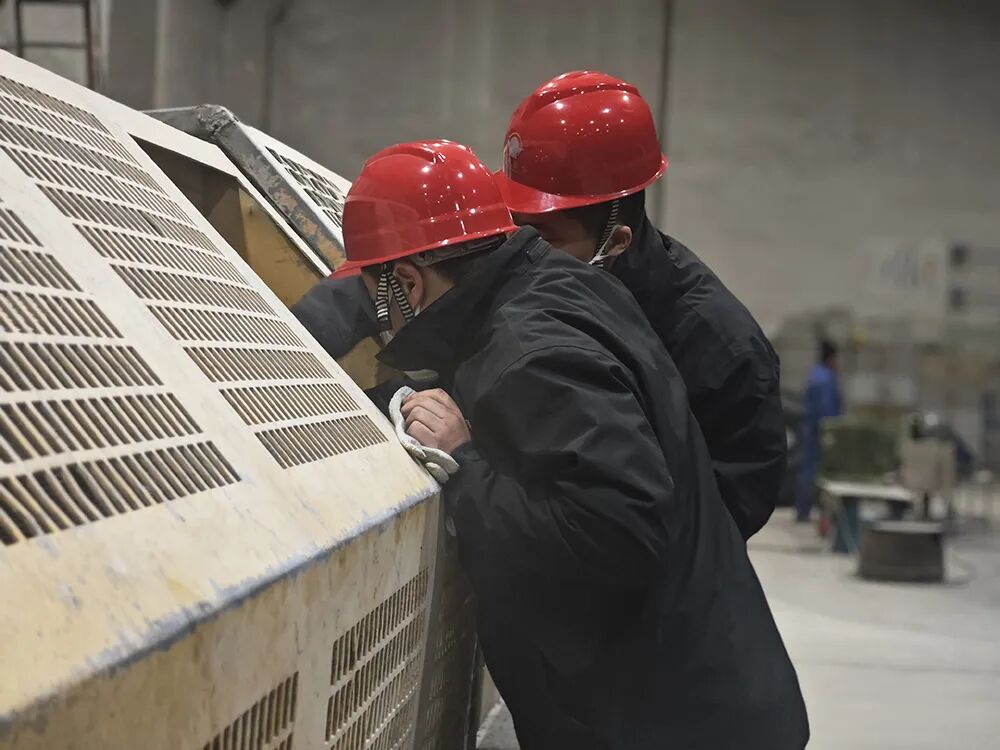
The hardware and software engineers focused on the equipment and its operating status. Their checks included:
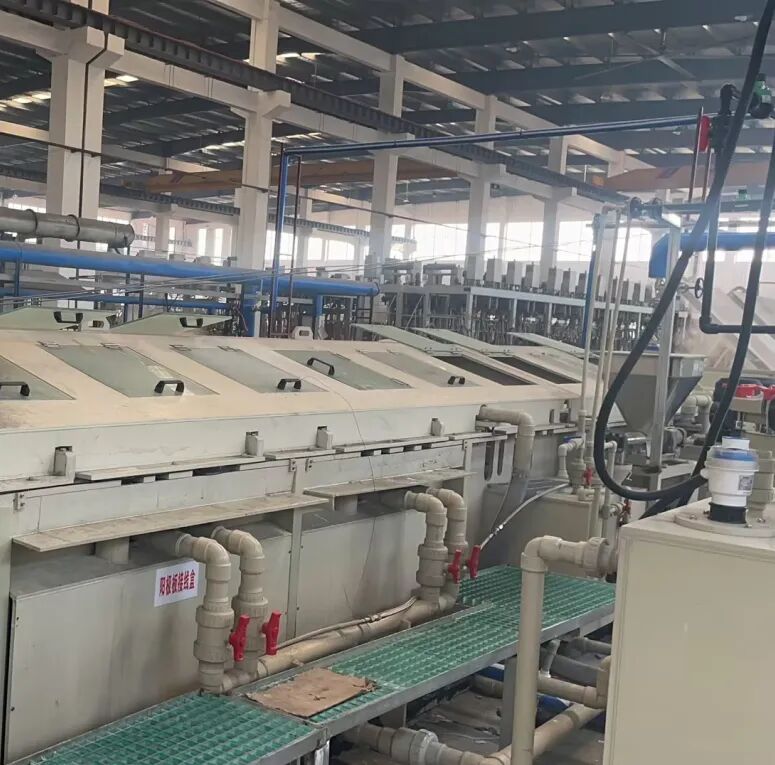
Inspecting the cleanliness of the production line.
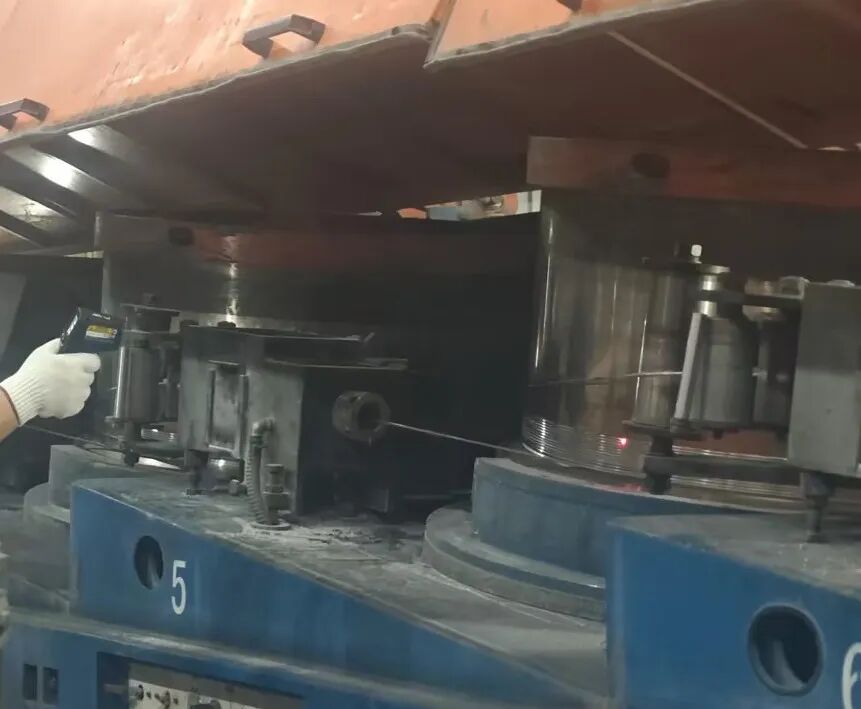
Checking the condition of the anode plates and cathode assemblies.
Measuring the actual current conditions.
Discussing operating procedures and production details with the operators.
These checks helped the team evaluate whether equipment condition, electrical performance, or operating practices could be contributing to the low coating weight.
The chemical R&D engineers focused on the phosphating medium and the condition of the treated wire. Their work included:
Collecting and testing phosphating solution samples.
Collecting and examining steel wire samples.
Communicating with laboratory personnel and production operators.
Reviewing relevant production and testing information.
The purpose was to evaluate the chemical and coating conditions alongside the equipment findings, rather than treating the problem as a chemical issue in isolation.
Pino used the 6M framework to organize the investigation:
Man: Operator practices and execution.
Machine: Equipment condition and electrical performance.
Material: Phosphating solution and steel wire.
Method: Process parameters and operating procedures.
Environment: Production conditions and equipment cleanliness.
Measurement: Sampling, testing, and data reliability.
By checking these factors systematically, the team worked to distinguish potential causes from the actual root cause.
After multiple rounds of inspection and verification, the team identified the cause of the low coating weight and established a corrective action plan.
The measures were implemented on site, followed by verification of the results.
The response followed three practical steps:
Identify the cause: Use equipment inspection, sample analysis, operating records, and discussions with operators to determine the source of the problem.
Implement the correction: Apply the agreed corrective measures under the actual production conditions.
Verify the result: Check the relevant process data and coating weight to confirm whether the issue has been resolved.
The team did not treat the implementation of an adjustment as the end of the job. Verification was an essential part of the on-site response.
Note: The specific root cause, corrective parameters, and before-and-after coating weight data have not been included in this case study. They should only be published after technical confirmation and customer approval.
Resolving the immediate issue is only the first step. A production problem can return if the underlying operating conditions or management practices remain unchanged.
Pino’s approach is to consider three levels of corrective action.
Resolve the current production issue and verify the result before the team leaves the site.
Review the corrective measures within the following week or before the next tank replacement cycle, as appropriate to the customer’s production schedule. Confirm that the relevant conditions remain stable and that similar issues have not reappeared.
Establish suitable process controls, inspection routines, operating guidance, and follow-up checks to reduce the risk of recurrence over the longer term.
The purpose is not simply to restore production temporarily, but to help the customer maintain more consistent process conditions.
Electrolytic phosphating is not simply a matter of supplying a chemical product. The process involves interactions between the phosphating solution, equipment, software and monitoring, operating procedures, and people.
A coating weight issue may require several disciplines to work together:
Chemical expertise to evaluate the solution and coating condition.
Equipment expertise to inspect electrical and mechanical operating conditions.
Process expertise to review operating parameters and production practices.
Testing and measurement to verify the results.
Follow-up procedures to help prevent recurrence.
Pino brings these elements together through its CHS approach: chemicals, hardware, and software.
By considering the complete process, the team can investigate problems more systematically and work with customers toward practical solutions without introducing unnecessary costs.
The appropriate solution depends on the actual production line, steel grade, process parameters, and verified test results.
When low phosphate coating weight or other process issues occur, the first step is to understand the production conditions before deciding what to change.
Pino’s technical support approach focuses on identifying the cause, implementing corrective measures, verifying the outcome, and considering longer-term prevention.
If you are experiencing low coating weight, unstable phosphating results, or challenges with your steel wire phosphating process, the investigation should begin with your actual production data and process conditions.
Contact Pino to discuss your electrolytic phosphating process.
To help us understand your situation, please share:
Steel grade and wire diameter.
Current phosphating process and equipment configuration.
Target and measured phosphate coating weight.
Relevant operating parameters and recent test results.
The main production issue you are experiencing.
With this information, our team can better assess the problem and discuss the next steps for process troubleshooting and optimization.
Pino — Wire Drawing Lubricants and Phosphating Solutions.
How Pino investigated and resolved a coating weight issue through coordinated ch...
Electrolytic phosphating is an alternative to conventional phosphating for steel...
Bright steel wire is a common surface problem in the wire drawing process. Howev...
Choosing a wire drawing lubricant is not just about choosing a product that matc...
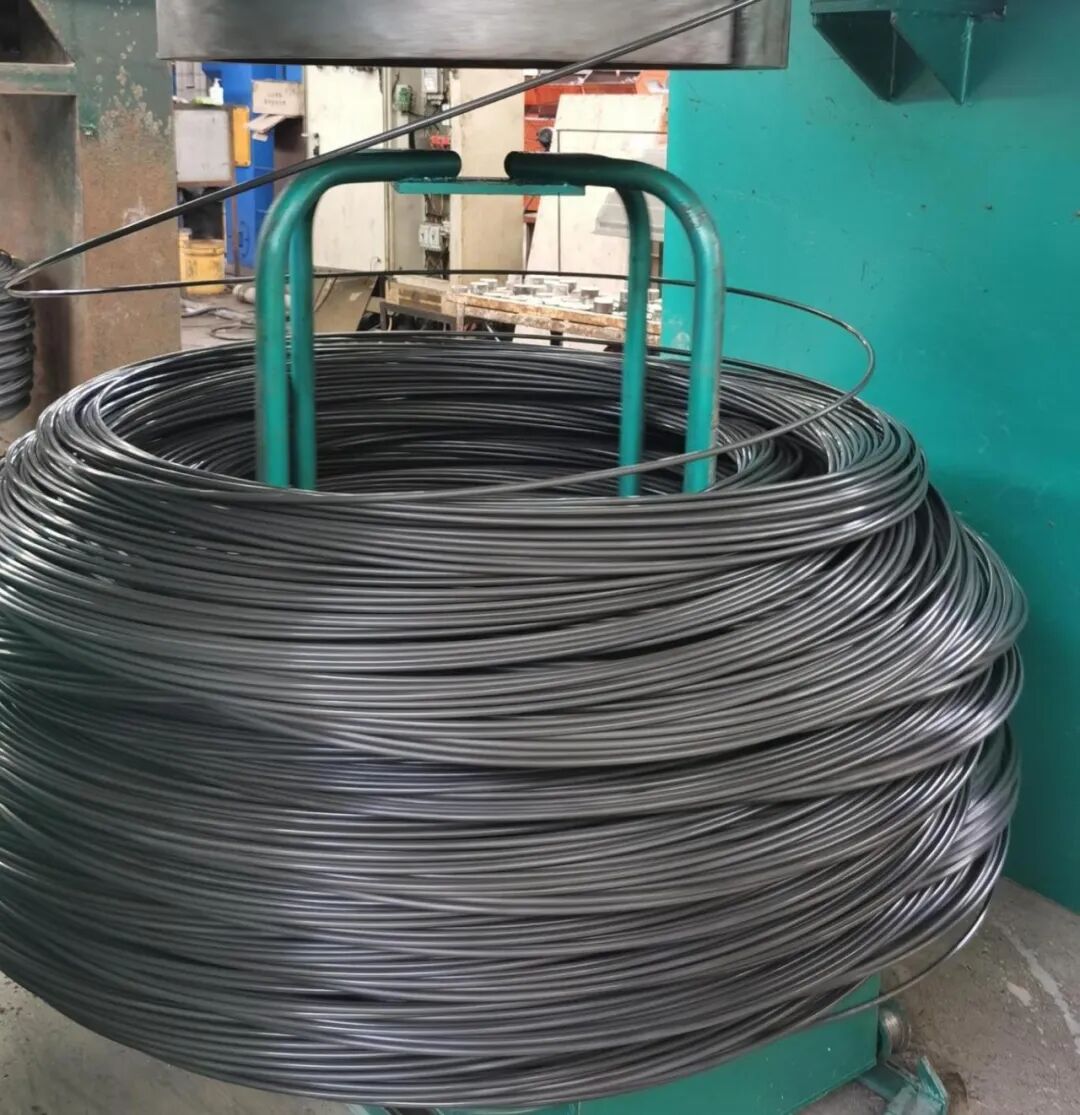
Steel wire is a simple-looking product, but behind a thin metal wire is a comple...
We provide comprehensive wire production chemical solutions to global customers—from high-performance phosphating solutions to advanced dry wire drawing lubricants.