

News
Oct 20,2026
By:Pino
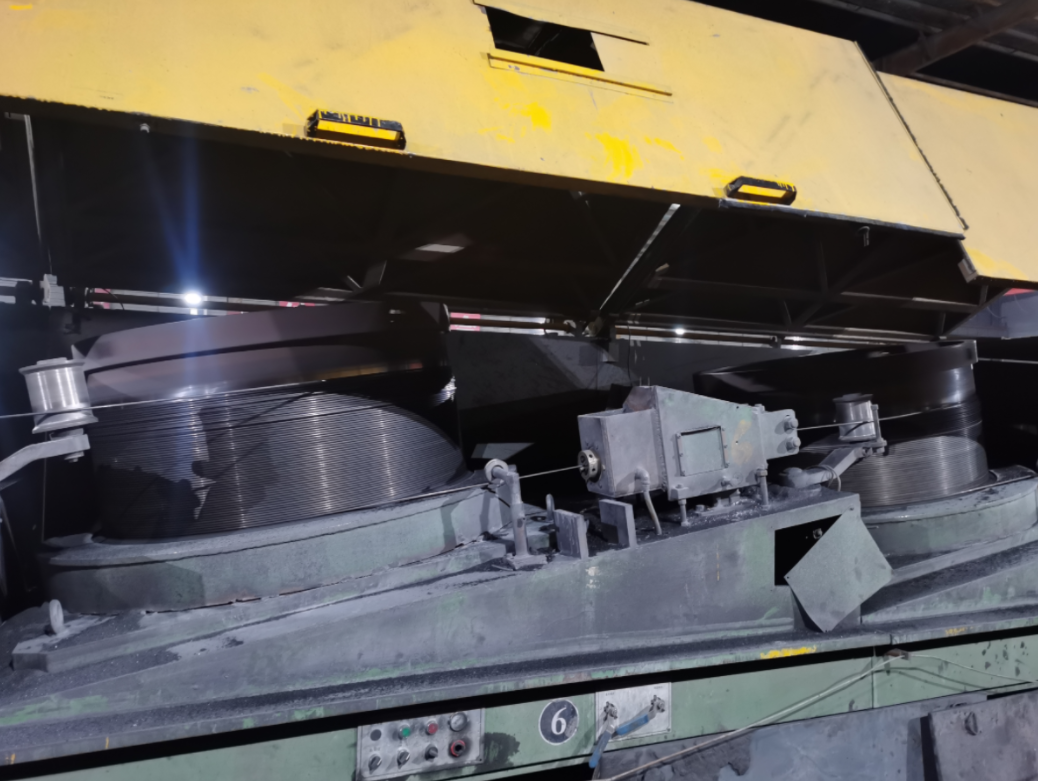
In steel wire drawing, choosing the right dry drawing lubricant is essential for stable production, consistent wire quality, and efficient die performance.
Different steel grades have different carbon contents, hardness levels, deformation characteristics, and drawing requirements. A lubricant that works well for one type of wire may not deliver the same results with another.
That is why lubricant selection should be based on the characteristics of the steel wire and the actual drawing process, rather than using the same formulation for every application.
Steel wire can be broadly classified into medium- and low-carbon steel, high-carbon steel, and alloy steel. Each category presents different challenges during drawing and may require a different lubricant formulation.
Medium- and low-carbon steel wire generally has lower carbon content and is often easier to draw than high-carbon steel wire under comparable conditions.
For many applications, a dry drawing lubricant with a relatively low to moderate oil/grease content may be suitable. The aim is to provide sufficient lubrication without introducing unnecessary lubricant residue or buildup.
Potential benefits include:
Maintaining stable lubrication during drawing.
Reducing excessive lubricant accumulation around the dies.
Helping control coating and residue buildup.
Supporting consistent production in applications with relatively straightforward drawing requirements.
Typical applications include iron wire, wire mesh, nail wire, screw wire, rivet wire, hardware wire, welding electrodes, and welding wire.
High-carbon steel wire is commonly used in applications that require high strength and specific mechanical properties. Depending on the steel grade, wire diameter, reduction per pass, and drawing speed, the process may involve greater demands on lubrication and die performance.
A lubricant with a relatively higher oil/grease content may be appropriate when stronger lubrication and film performance are required.
The formulation should help:
Maintain an effective lubricating film during drawing.
Reduce friction and die wear.
Support stable drawing under demanding process conditions.
Reduce the risk of wire breaks associated with inadequate lubrication.
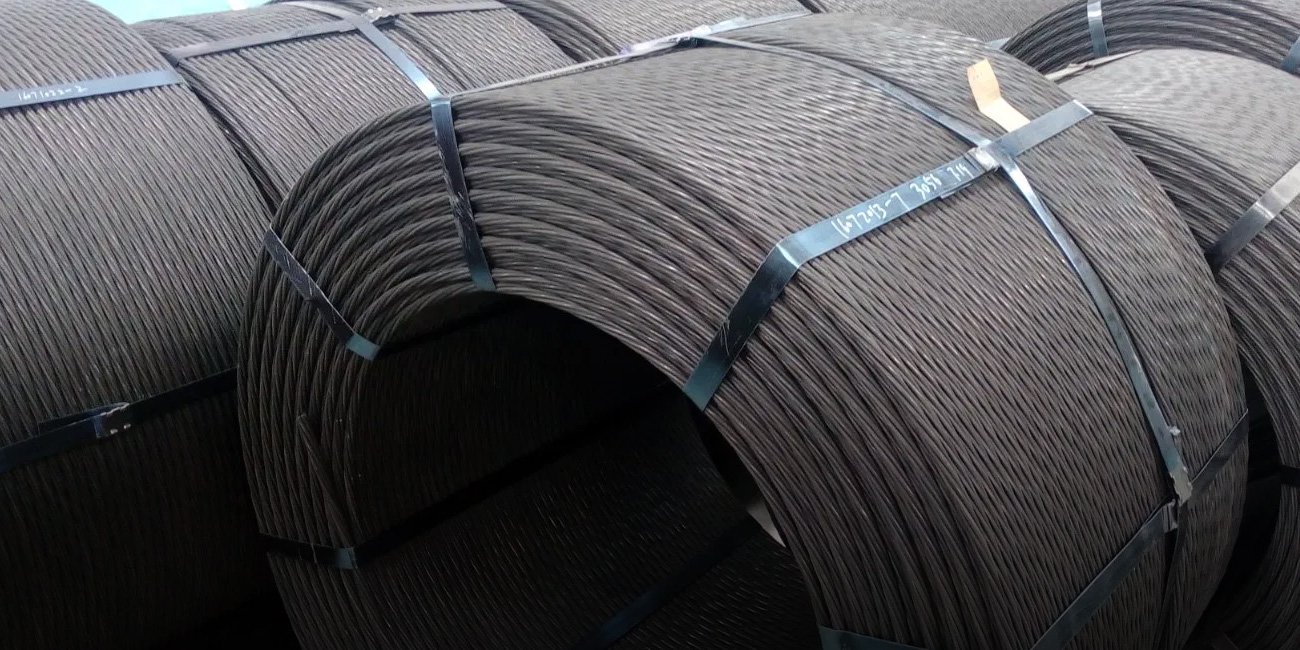
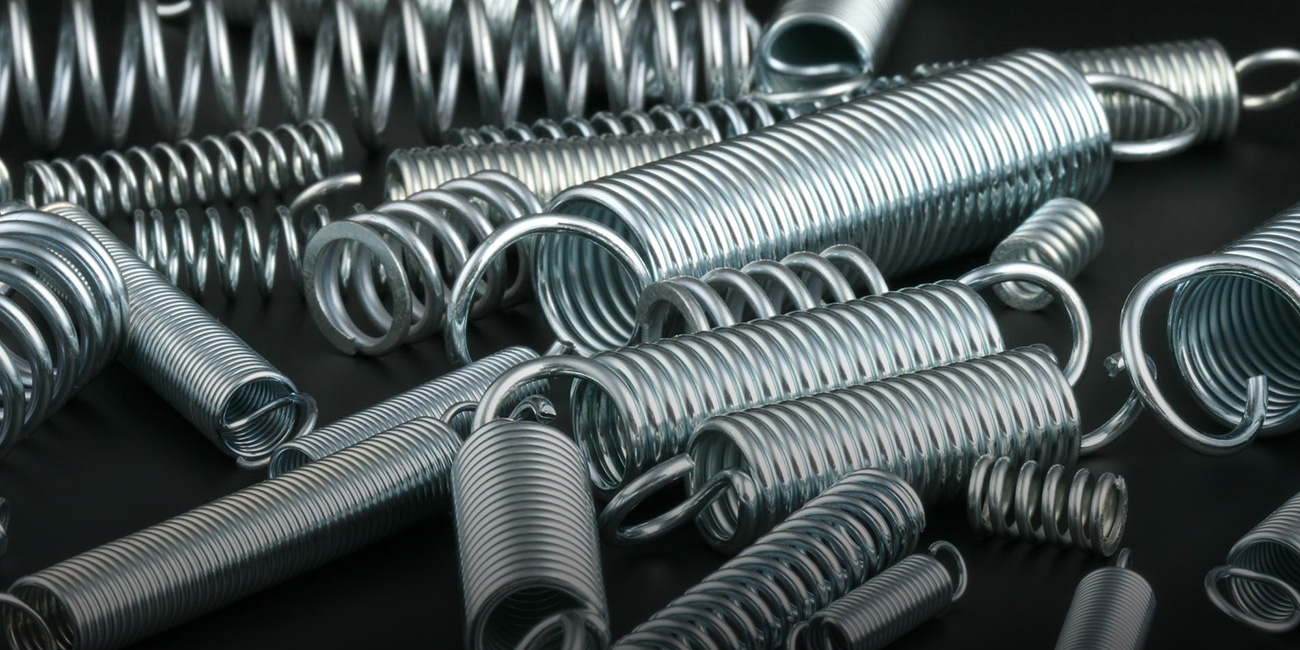
Typical applications include prestressed concrete (PC) strand wire, steel rods, wire rope wire, spring steel wire, tire cord steel wire, and steel cord wire.
Alloy steel covers a broad range of materials with different compositions and mechanical properties. Stainless steel, for example, can present particular challenges because of its work-hardening behavior and the requirements of its drawing process.
A lubricant with a relatively higher oil/grease content may be considered when the application requires stronger lubrication. However, the appropriate formulation depends on the alloy grade, drawing stage, surface condition, reduction ratio, and operating parameters.
Typical applications include nail wire, screw wire, tool steel rods, spring wire, wire mesh, bra underwire, household appliance wire, and certain types of welding wire.
Important: Oil/grease content is only one factor in lubricant selection. The complete formulation and its compatibility with the steel grade and drawing conditions are equally important.
The following table provides a general reference for selecting dry wire drawing lubricants.
| Steel wire type | Typical applications | General lubricant oil/grease content |
|---|---|---|
| Medium- and low-carbon steel | Iron wire, wire mesh, nail wire, screw wire, rivet wire, hardware wire, welding electrodes, welding wire | Low to medium |
| High-carbon steel | PC strand wire, steel rods, wire rope wire, spring steel wire, tire cord steel wire, steel cord wire | Medium to high |
| Alloy steel, including stainless steel | Nail wire, screw wire, tool steel rods, spring wire, wire mesh, bra underwire, household appliance wire, certain welding wires | Medium to high, depending on the application |
These recommendations are general guidelines, not fixed specifications. The optimal lubricant should be determined by the actual material, drawing process, and production requirements.
Steel type is a useful starting point, but it is not enough to determine the final lubricant specification.
Before selecting a product, several factors should be considered:
Steel grade and material properties
Carbon content, alloy composition, hardness, and surface condition can affect drawing behavior and lubrication requirements.
Wire diameter and reduction per pass
The amount of deformation at each drawing stage affects friction, heat generation, and the performance required from the lubricant.
Drawing speed and die condition
Higher production speeds and different die geometries can change lubrication demands. Die condition and maintenance also affect drawing stability.
Lubricant consumption and residue
The goal is not simply to increase lubricant content. The formulation should provide sufficient lubrication while helping control consumption, residue buildup, and cleaning requirements.
Final wire quality
Surface finish, dimensional consistency, and downstream processing requirements should all be considered when evaluating lubricant performance.
A suitable lubricant is one that matches the complete drawing process—not just the steel category.
Using an unsuitable lubricant may contribute to unstable drawing, excessive residue, increased die wear, surface defects, or wire breaks. These problems can affect production efficiency and increase operating costs.
Conversely, matching the lubricant to the material and process can help manufacturers improve lubrication stability, manage lubricant consumption, and maintain consistent wire quality.
At Pino, we focus on dry wire drawing lubricants and phosphating solutions for steel wire production. We believe that effective lubricant selection starts with understanding the customer's actual process conditions and production challenges.
If you are unsure which lubricant is suitable for your steel wire, our technical team can help evaluate your application.
To make the assessment more useful, please share:
Steel grade and carbon content, if available.
Initial and final wire diameters.
Drawing stages and reduction per pass.
Drawing speed and die conditions.
Current lubricant and the main production issue.
With this information, lubricant selection can be based on your actual drawing requirements rather than a general recommendation.
Pino — Dry Wire Drawing Lubricants and Phosphating Solutions for Steel Wire Production.
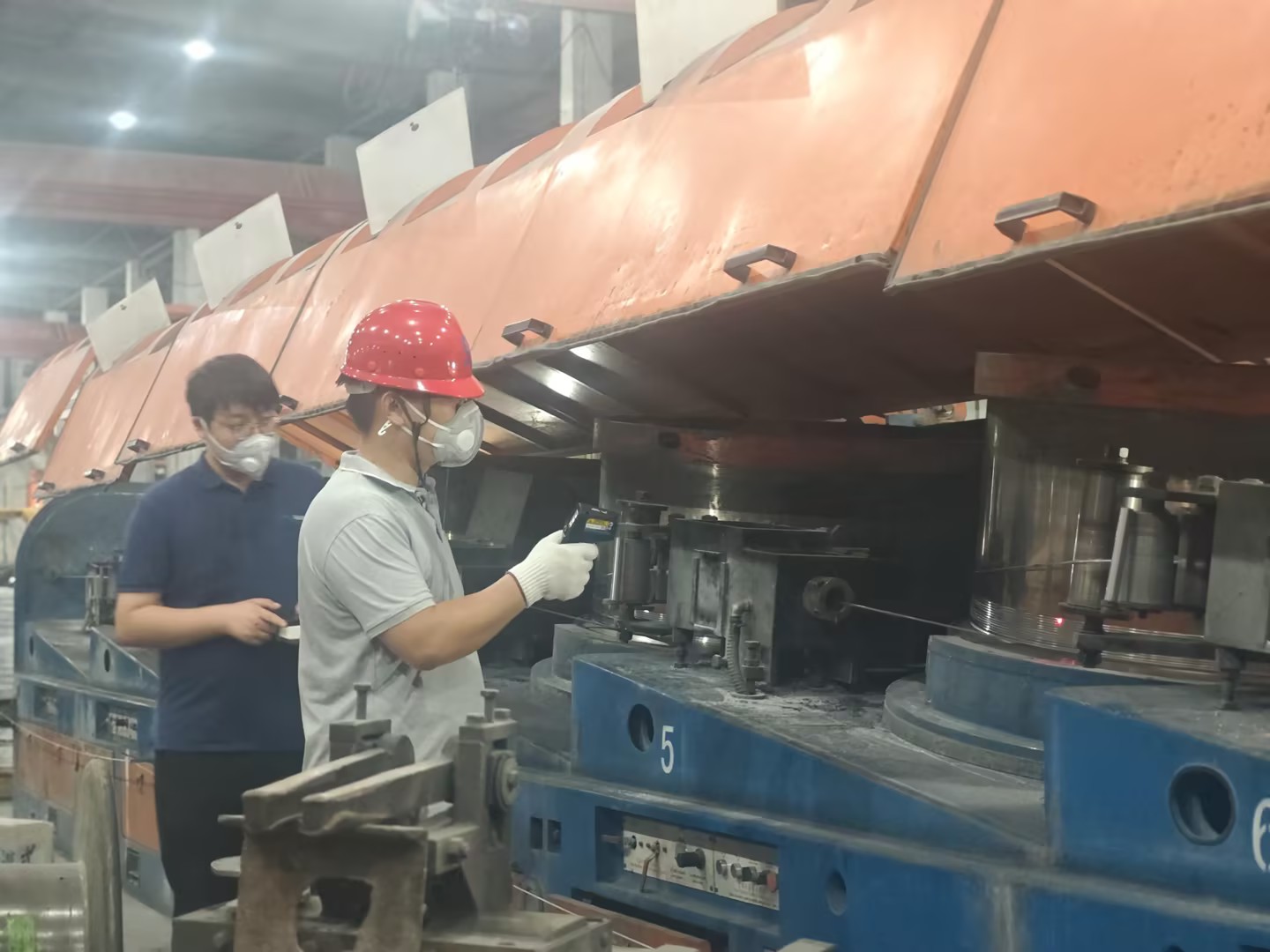
In steel wire drawing, choosing the right dry drawing lubricant is essential for...
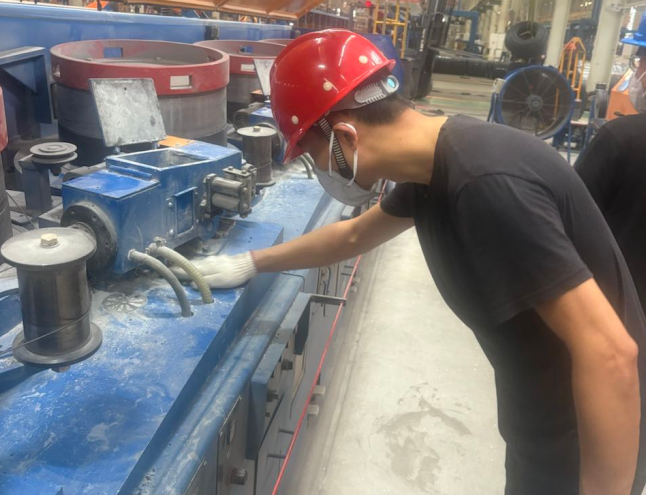
How Pino investigated and resolved a coating weight issue through coordinated ch...
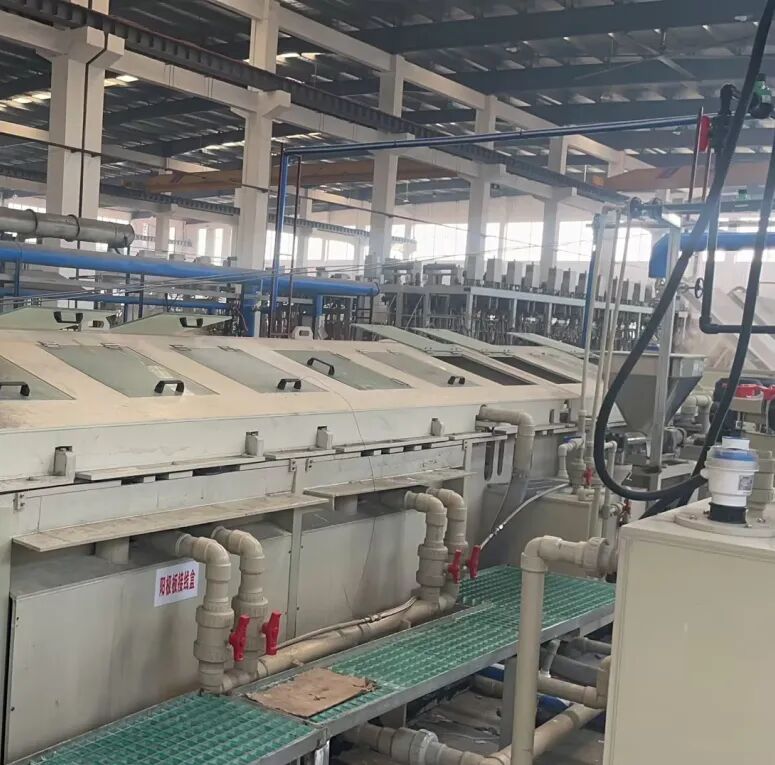
Electrolytic phosphating is an alternative to conventional phosphating for steel...
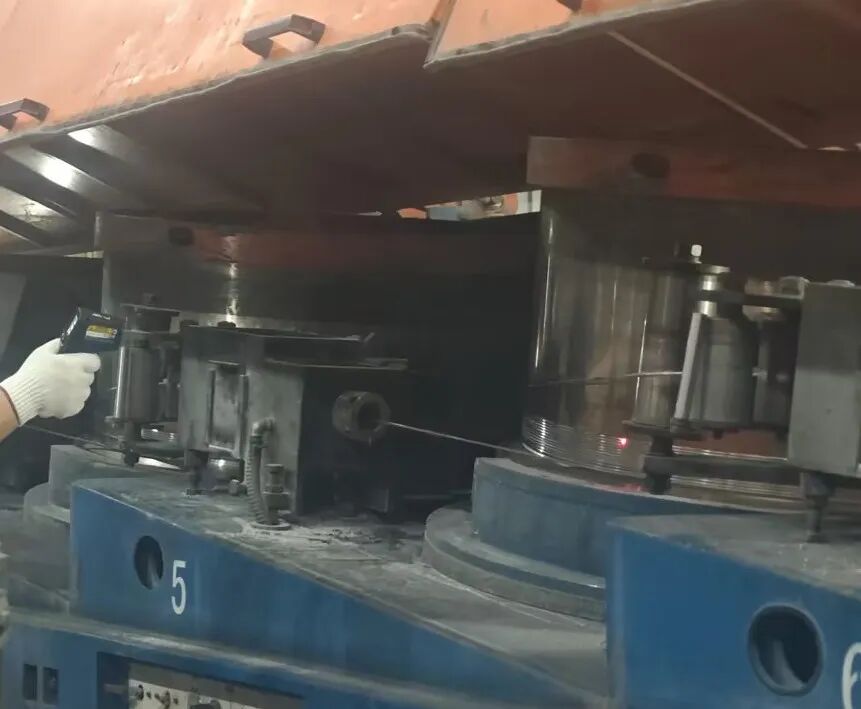
Bright steel wire is a common surface problem in the wire drawing process. Howev...
Choosing a wire drawing lubricant is not just about choosing a product that matc...
We provide comprehensive wire production chemical solutions to global customers—from high-performance phosphating solutions to advanced dry wire drawing lubricants.