

News
Oct 21,2026
By:Pino
Wire breakage is one of the most disruptive problems in a wire drawing line. Frequent breaks interrupt production, increase material waste, and reduce equipment efficiency.
Insufficient lubrication: An unstable lubricant film increases friction between the steel wire and the drawing die.
Incorrect die condition: Worn, damaged, or improperly aligned dies can cause uneven stress on the wire.
Excessive reduction per pass: An unsuitable reduction schedule can place excessive stress on the steel wire.
Poor wire rod quality: Surface cracks, inclusions, and other material defects may lead to breakage.
Inconsistent phosphate coating: For phosphated steel wire, an uneven coating may affect lubricant retention and lubrication stability.
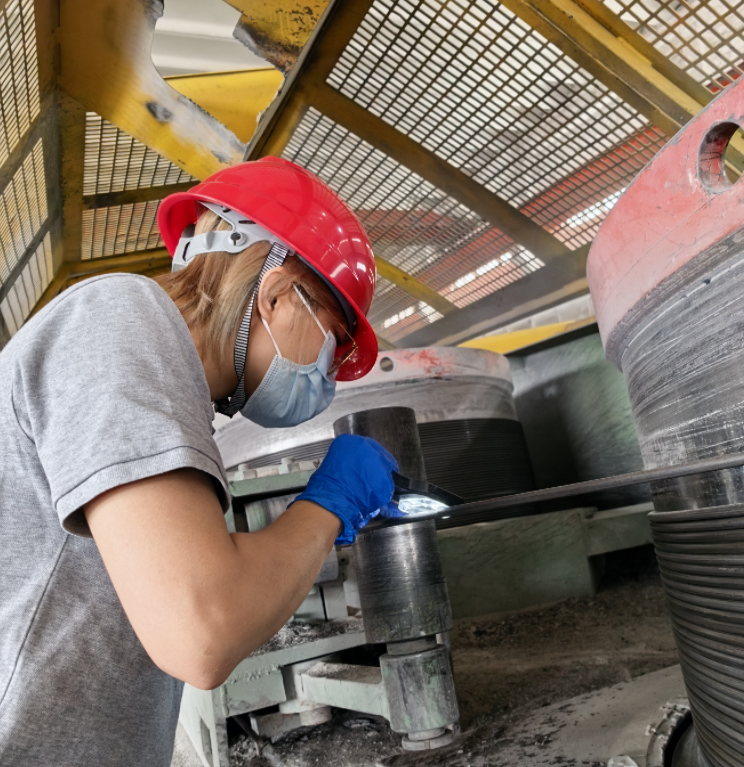
First, identify whether wire breakage occurs repeatedly at the same drawing die or randomly across different passes.
If breaks are concentrated at one die, inspect the die condition, lubrication supply, and reduction ratio.
If breaks occur at multiple stages, check the incoming wire rod quality and overall drawing process.
For phosphated steel wire, examine whether the phosphate coating is uniform and whether sufficient lubricant reaches the die entry.
Key Point: Replacing the drawing lubricant may not solve repeated wire breakage if the underlying problem is related to the die, wire material, or reduction schedule.
Drawing dies gradually wear during normal production. However, unusually rapid die wear increases replacement costs and can affect wire diameter accuracy and surface quality.
Insufficient or unstable lubrication between the wire and die.
Contamination of the drawing lubricant with metal particles or other hard materials.
Residual phosphate sludge or abrasive particles on the wire surface.
Improper die alignment or excessive vibration.
Drawing conditions that exceed the lubricant's effective operating range.
Start by inspecting the drawing lubricant inside the soap box.
Check whether the lubricant is contaminated, caked, or unable to flow properly toward the die.
Next, examine the steel wire surface before drawing. Residual particles from surface treatment may enter the drawing die and contribute to abrasive wear.
For phosphated wire, check the quality and adhesion of the phosphate coating.
It is also important to examine the wear pattern of the drawing die. Uneven wear may indicate alignment problems, while rapid wear across multiple dies may suggest broader lubrication or process issues.
Key Point: Improving die life requires a combination of suitable wire drawing lubricants, effective surface preparation, and proper die maintenance.
Surface defects are another common concern in steel wire drawing.
Customers may notice longitudinal scratches, bright friction marks, rough surfaces, or local scuffing after drawing.
These defects can affect product appearance and may cause problems in subsequent manufacturing processes.
Poor lubrication
When the lubricant film becomes discontinuous, direct contact between the wire and drawing die may increase, resulting in surface damage.
Worn or damaged dies
A damaged die surface can leave repeated longitudinal marks on the steel wire.
Inadequate phosphate coating
For phosphated steel wire, poor coating uniformity or insufficient lubricant retention may affect lubrication during drawing.
Improper drawing conditions
Excessive reduction, unsuitable drawing speed, or unstable wire entry can contribute to surface defects.
Identify the drawing pass where scratches first appear.
Inspect the die entry and bearing area for damage or material pickup.
Check whether the wire surface carries a continuous lubricant film.
Examine the phosphate coating if phosphating is part of the process.
Review drawing speed and reduction settings.
A uniformly bright wire surface does not necessarily indicate poor lubrication. The presence of abnormal bright bands, scratches, or scuffing should be considered together with other production conditions.
Key Point: Surface scratches should be investigated systematically rather than automatically attributed to lubricant quality.
Poor lubricant adhesion, sometimes described as poor soap pickup or insufficient powder carry-in, is a common issue in dry wire drawing.
Operators may observe that the steel wire carries very little lubricant into the die, that powder falls off during drawing, or that certain passes receive insufficient lubrication.
Inadequate surface preparation
Oil, rust, or other contaminants on the wire surface may interfere with lubricant retention.
Unsuitable phosphate coating
In phosphated wire drawing, the phosphate layer helps retain dry drawing lubricant. Coating weight, crystal structure, uniformity, and adhesion can all influence lubrication performance.
Lubricant caking
Moisture or unsuitable storage conditions may cause dry wire drawing lubricant to form lumps and lose its normal flow characteristics.
Soap box problems
Poor box design, powder bridging, crust formation, or insufficient lubricant movement can prevent powder from reaching the wire.
Mismatch between lubricant and drawing conditions
Different steel grades, drawing speeds, and reduction schedules may require different lubricant characteristics.
Begin by checking the wire surface condition and the effectiveness of the pretreatment process.
For phosphated steel wire, examine phosphate coating uniformity and adhesion before changing the lubricant.
Then inspect the drawing soap box to ensure the lubricant is loose, clean, and able to reach the wire and die entry.
If the problem continues, review whether the selected dry wire drawing lubricant is suitable for the steel grade, drawing speed, and reduction schedule.
Key Point: Poor lubricant pickup is not always caused by the drawing powder itself. The wire surface, phosphate coating, soap box, and lubricant must work together.
Zinc phosphating is commonly used as a surface preparation process for certain carbon steel wire drawing applications.
A properly controlled phosphate coating can provide a suitable surface for subsequent dry lubrication.
However, coating weight and uniformity may vary between production batches, even when the same phosphating chemical is used.
Inconsistent degreasing and surface cleaning.
Differences in incoming wire rod surface condition.
Changes in activation bath performance.
Variations in phosphate bath concentration and acid balance.
Unstable processing temperature or treatment time.
Poor bath maintenance or excessive sludge accumulation.
Establish a routine process monitoring system.
Important parameters may include:
Free acid and total acid of the phosphate bath.
Bath temperature and treatment time.
Phosphate coating weight and uniformity.
Surface cleanliness before phosphating.
Bath contamination and sludge condition.
The appropriate operating ranges depend on the phosphating formulation, steel grade, and production process.
Instead of relying on a single measurement, record these parameters over time to identify changes between batches.
Key Point: Stable phosphate coating quality depends on consistent surface preparation and process control, not simply increasing the concentration of the phosphating solution.
Excessive temperature at the drawing die may indicate increased friction, excessive deformation work, insufficient cooling, or a combination of these factors.
Operators may notice abnormal die temperatures, increased motor load, or changes in lubricant performance.
Insufficient lubricant entering the die.
Excessive friction caused by poor lubrication.
Worn or damaged drawing dies.
Excessive reduction at a particular drawing pass.
Inadequate cooling water flow.
Increased drawing speed without corresponding process adjustments.
First, determine whether overheating occurs at a single die or across several drawing passes.
If one die is significantly hotter than the others, inspect its lubricant supply, die condition, and reduction ratio.
Check the cooling system for insufficient flow, blockages, or elevated cooling water temperature.
Review the drawing speed and lubricant selection to determine whether they are appropriate for the operating conditions.
Key Point: Increasing cooling capacity may reduce die temperature, but it will not necessarily correct excessive friction caused by poor lubrication.
High lubricant consumption increases production costs and may indicate inefficient lubricant use.
However, lubricant consumption should not be evaluated independently of drawing performance.
A lower consumption rate is not beneficial if it results in more wire breaks, faster die wear, or poorer surface quality.
Excessive lubricant supply or unnecessary powder loss.
Poor lubricant retention on the steel wire.
Unsuitable soap box conditions.
Incorrect lubricant selection for the drawing process.
Contamination or deterioration of the lubricant.
Unstable drawing conditions.
Measure lubricant consumption relative to the amount of steel wire produced, such as kilograms of lubricant per tonne of wire.
At the same time, monitor:
Wire break frequency.
Drawing die service life.
Wire surface quality.
Drawing speed and production stability.
Lubricant residue and powder loss.
Inspect the soap box and determine whether the lubricant is being used effectively.
For phosphated wire, consider whether phosphate coating quality is affecting lubricant retention.
Key Point: The objective is not simply to use less drawing lubricant, but to achieve stable lubrication with an appropriate total production cost.
Although wire drawing problems may appear at different stages, many are connected to the interaction between the wire surface, lubricant, die, and drawing conditions.
A practical troubleshooting process should follow five steps.
Record the specific problem, including where it occurs, when it begins, and whether it affects one drawing pass or the entire line.
Examine the incoming wire condition and, where applicable, the quality of degreasing and phosphating.
Check lubricant condition, soap box operation, powder pickup, and lubricant supply at the die entry.
Inspect drawing dies, alignment, cooling conditions, drawing speed, and reduction distribution.
Avoid changing multiple process parameters simultaneously.
Record the result of each adjustment to determine which factor has the greatest influence on production performance.
This approach helps identify the root cause of a problem and reduces unnecessary changes to the production process.
In many carbon steel wire drawing applications, phosphating and dry lubrication are closely connected.
The phosphate coating provides a surface that can help retain drawing lubricant, while the lubricant reduces friction during deformation.
If the phosphate coating is inconsistent, lubricant performance may also become unstable.
Similarly, even with a suitable phosphate coating, an incorrectly selected drawing lubricant may fail to provide the required performance under specific drawing conditions.
For this reason, lubricant selection should consider the entire drawing process, including:
Steel grade and incoming wire diameter.
Surface preparation and phosphate coating condition.
Drawing speed and reduction schedule.
Die configuration and cooling.
Finished wire quality requirements.
At PINO (Hubei) Green Chemicals & Smart Manufacturing Co., Ltd., we provide both zinc phosphating solutions and dry wire drawing lubricants for steel wire production.
By considering surface treatment and lubrication together, we help customers evaluate their drawing conditions and identify suitable chemical solutions for their processes.
Wire breakage can result from insufficient lubrication, excessive reduction, worn dies, wire rod defects, or equipment misalignment. The actual cause should be identified by examining the location and frequency of breaks.
Start by checking lubricant supply, contamination, die alignment, and steel wire surface condition. For phosphated wire, phosphate coating quality should also be evaluated.
Possible causes include powder caking, poor soap box flow, unsuitable die entry conditions, poor lubricant pickup, or an inappropriate lubricant for the drawing process.
For suitable steel wire drawing applications, zinc phosphate coatings can help retain dry drawing lubricants and support lubrication during deformation. Performance depends on coating quality, lubricant compatibility, and operating conditions.
Lubricant selection should be based on steel grade, wire diameter, drawing speed, reduction schedule, surface preparation, and finished wire requirements. Different drawing applications may require different lubricant formulations.
Are you experiencing frequent wire breakage, excessive die wear, poor lubricant pickup, or unstable drawing performance?
PINO provides dry wire drawing lubricants and phosphating solutions for low- and high-carbon steel wire production.
Share your steel grade, wire diameter, drawing conditions, and the problem you are experiencing. Our technical team can help review your process and recommend suitable products and application conditions.
1. Why Does Wire Break During Drawing?Wire breakage is one of the most disruptiv...
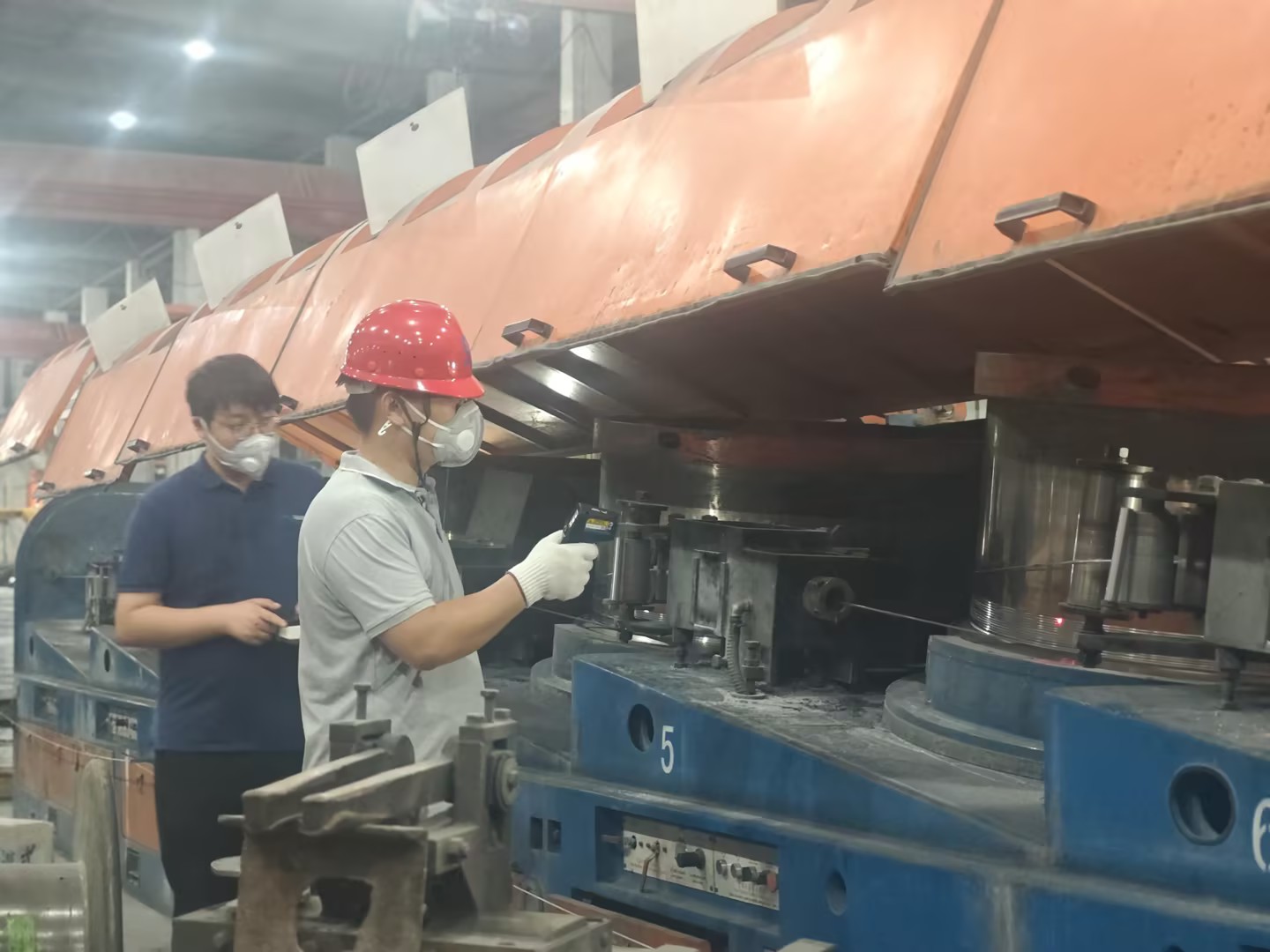
In steel wire drawing, choosing the right dry drawing lubricant is essential for...
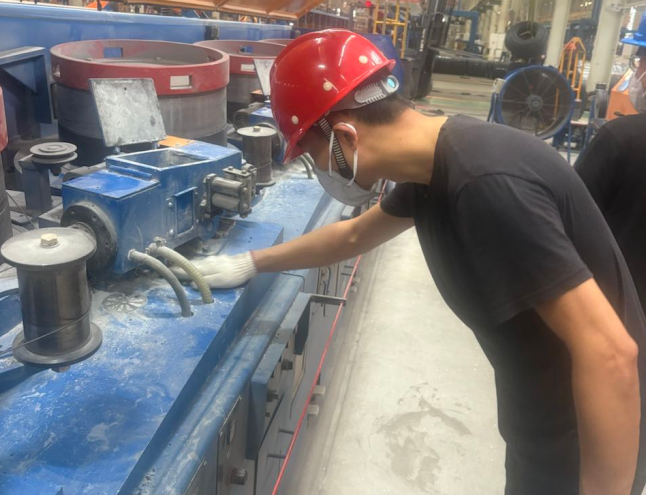
How Pino investigated and resolved a coating weight issue through coordinated ch...
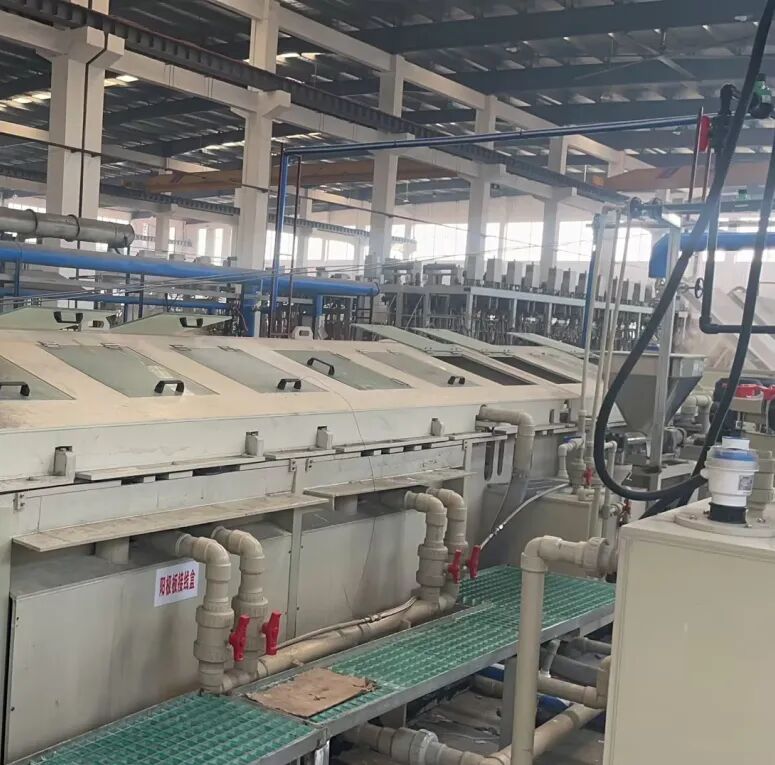
Electrolytic phosphating is an alternative to conventional phosphating for steel...
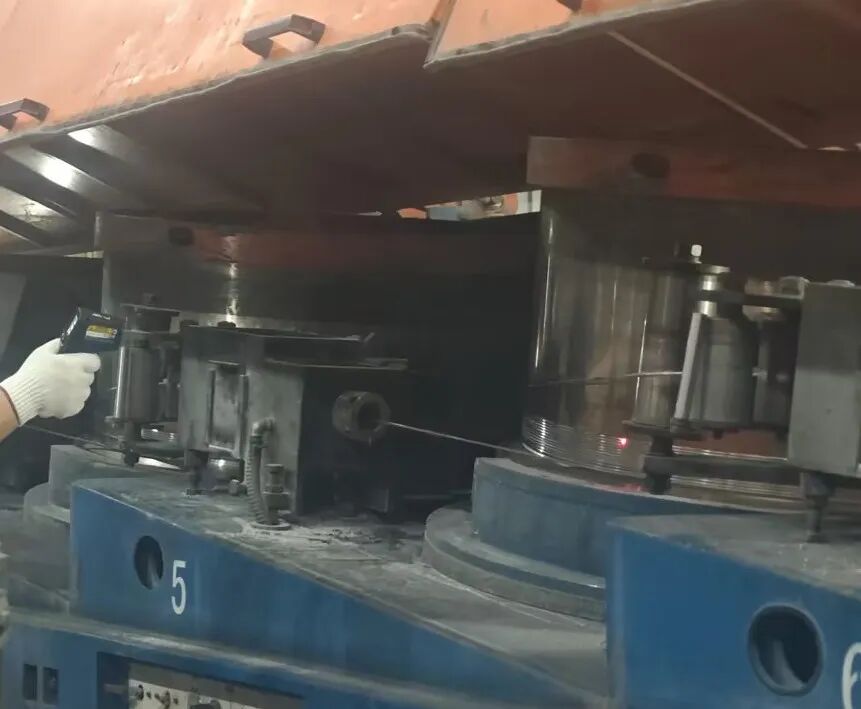
Bright steel wire is a common surface problem in the wire drawing process. Howev...
We provide comprehensive wire production chemical solutions to global customers—from high-performance phosphating solutions to advanced dry wire drawing lubricants.