

News
Jul 24,2026
By:Pino
The essence of phosphating bath blackening is:
The generation rate of Fe²⁺ exceeds the removal rate of Fe²⁺.
During the phosphating process, the steel substrate undergoes a dissolution reaction in an acidic environment:
Fe + 2H⁺ = Fe²⁺ + H₂↑
As steel wire continuously passes through the phosphating bath, Fe²⁺ is continuously generated.
When the amount of Fe²⁺ generated exceeds the processing capacity of the phosphating system, ferrous ions gradually accumulate in the bath solution.
As a result, the bath color becomes darker, eventually leading to phosphating bath blackening.
When production speed increases, or when the steel wire specification changes from larger diameter to smaller diameter:
The surface area of steel wire entering the phosphating bath per unit time increases.
The amount of iron dissolution increases.
The generation rate of Fe²⁺ accelerates.
If the circulation and treatment capacity of the phosphating bath is insufficient, Fe²⁺ accumulation is likely to occur.
Excessive free acid accelerates the dissolution of the steel substrate, resulting in increased Fe²⁺ generation.
Therefore, acidity parameters should be properly controlled during production to maintain the stability of the phosphating system.
The accelerator plays an important role in promoting the oxidation and conversion of Fe²⁺ during the phosphating process.
When the accelerator concentration decreases:
Fe²⁺ cannot be effectively processed in time.
The bath condition becomes unstable.
In addition, during winter production, excessively low bath temperature may reduce the effectiveness of the accelerator.
Near the end of the bath service cycle, a large amount of phosphating sludge may accumulate on the surface of heating pipes, reducing heating efficiency.
Insufficient bath temperature affects the stability of the phosphating reaction and increases the risk of bath blackening.
When phosphating bath blackening occurs, the following measures can be taken:
Restore the bath temperature to the required range.
Reduce production speed to decrease the processing load per unit time.
Add accelerator gradually and evenly in batches.
Resume normal production after the bath color and condition return to a stable state.
Establish a standardized daily inspection system to ensure accurate testing methods and reliable testing reagents.
The following items should be included in routine monitoring:
Actual bath temperature
Accelerator point testing
Acidity testing
Through data monitoring, abnormal conditions can be identified and corrected in advance.
Regularly evaluate:
Unit bath volume
Steel wire surface area processed per unit time
Applicable production load range
Avoid long-term operation under excessive production loads.
Based on actual production conditions, reasonably control key process parameters, including:
Total acid value
Free acid value
Accelerator concentration
For example, maintain the TR value within the appropriate range of 1.6–2.5.
When actual production conditions cannot meet these requirements, the phosphating formulation and process parameters should be adjusted according to the specific operating conditions.
Stable phosphating performance requires balanced control of chemical parameters, production load, and daily process management.
In the steel wire drawing process, the selection of wire drawing lubricant must ...
At Pino, we regard quality as the foundation of our business.As a manufacturer o...
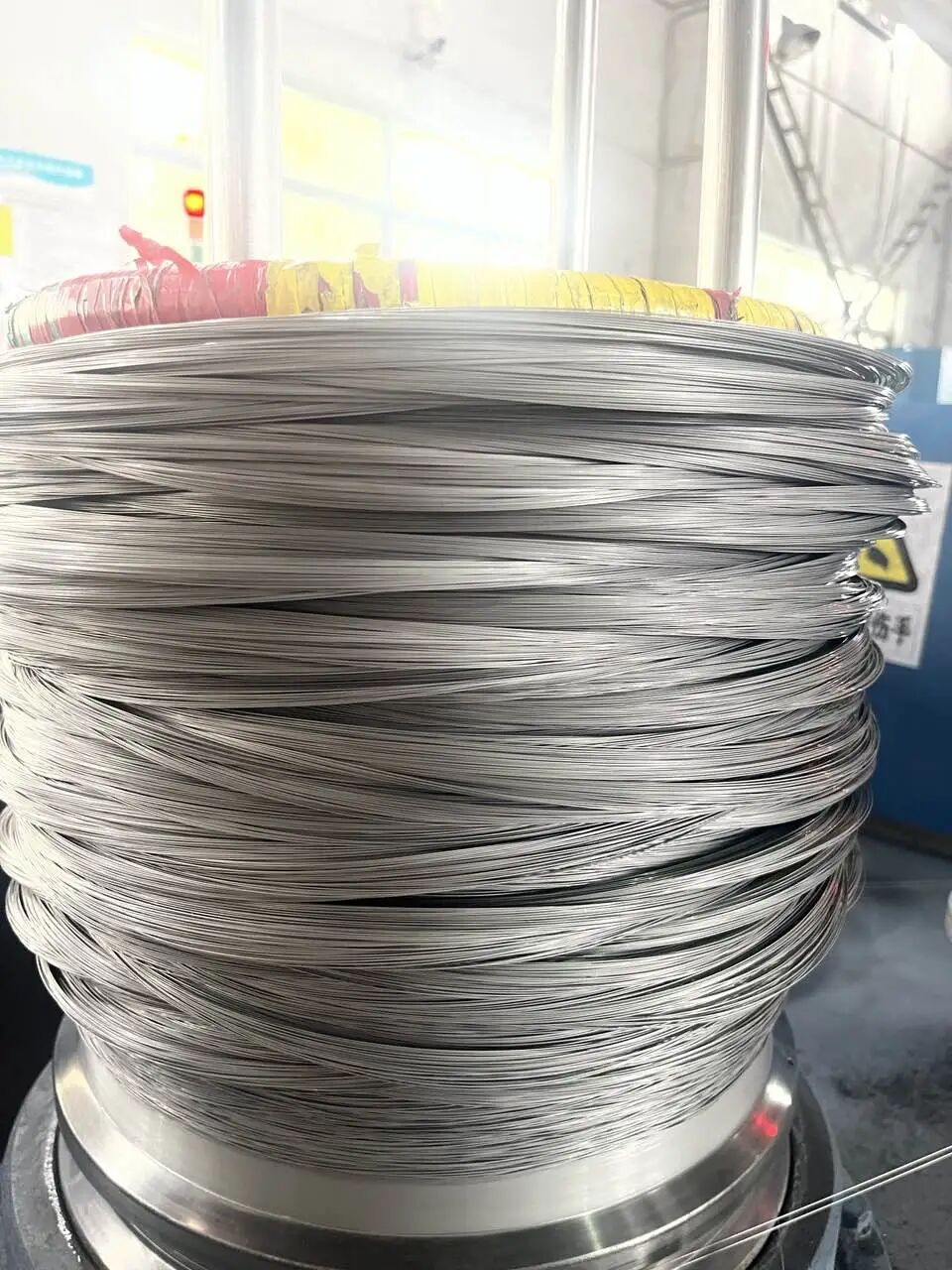
For manufacturers producing stainless steel spring wire, choosing the right wire...
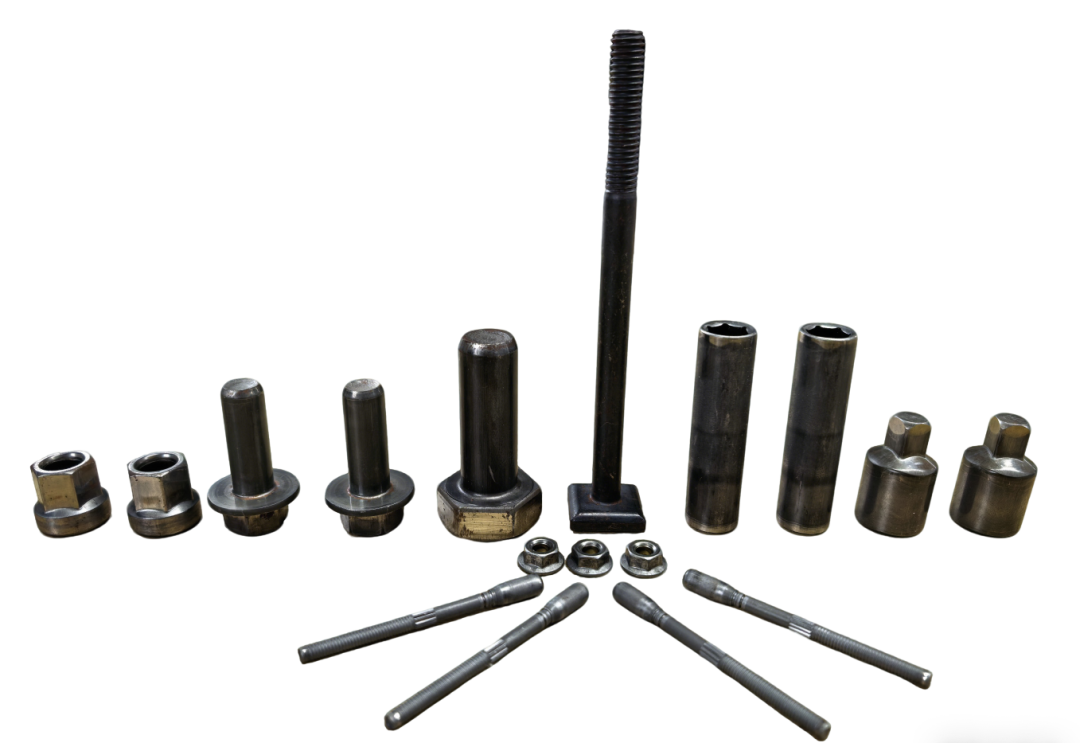
Cold heading wire is widely used in the production of fasteners and precision me...
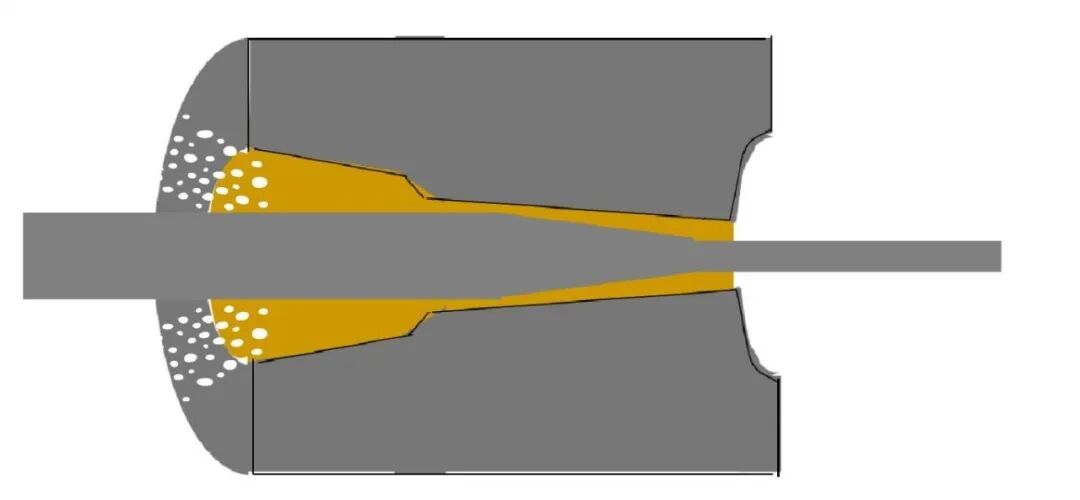
IntroductionWire drawing—the process of reducing the cross-section of metal rods...
We provide comprehensive wire production chemical solutions to global customers—from high-performance phosphating solutions to advanced dry wire drawing lubricants.