

News
Jul 28,2026
By:Pino
Phosphating is a process in which a phosphate conversion coating is formed on a metal surface through chemical and electrochemical reactions. The resulting phosphate conversion coating is called a “phosphate film” or “phosphating coating.”
The main purposes of phosphating are as follows:
To provide protection for the metal substrate and prevent corrosion to a certain extent.
To serve as a pretreatment layer before painting or baking coating, improving the adhesion and corrosion resistance of the paint film.
To be applied in cold plastic deformation processes of metals, reducing friction and improving lubrication performance.
The phosphating process involves both chemical and electrochemical reactions. The reaction mechanism varies depending on the phosphating system and the type of metal material, and is relatively complex.
Here, the widely used zinc phosphate phosphating system is taken as an example for a basic explanation.
Free phosphoric acid (H₃PO₄)
= FA (Free Acid)
Zinc dihydrogen phosphate [Zn(H₂PO₄)₂] + zinc nitrate [Zn(NO₃)₂] + phosphoric acid
= TA (Total Acid)
Oxidizing agent (NaNO₂)
= AC (Accelerator Concentration)
Fe + 2H₃PO₄ → Fe(H₂PO₄)₂ + H₂↑
(steel substrate)
(free acid)
The dissolved iron is oxidized by the oxidizing agent:
Fe²⁺ → Fe³⁺
and water is generated.
Fe³⁺ + PO₄³⁻ → FePO₄↓
(Iron phosphate sediment)
3Zn(H₂PO₄)₂ → Zn₃(PO₄)₂·4H₂O + H₃PO₄
(Main component of phosphating solution)
(Hopeite phosphate crystal)
Fe + 3Zn(H₂PO₄)₂ → Zn₂Fe(PO₄)₂·4H₂O + 2H₃PO₄
(Phosphophyllite phosphate crystal)
When the steel surface comes into contact with the phosphating solution, the steel surface begins to dissolve. The concentration of hydrogen ions near the surface decreases, causing the pH value to increase.
As a result, reactions (4) and (5) occur, and insoluble zinc phosphate crystals precipitate on the steel surface, forming the phosphate coating.
When the treated material is zinc, there is no iron source available, so the coating consists only of zinc phosphate.
When the treated material is steel, the coating consists of a mixture of:
Zinc phosphate (Hopeite)
Zinc iron phosphate (Phosphophyllite)
During the reaction, part of the dissolved iron is consumed as a component of the phosphate coating. The remaining iron ions stay in the phosphating bath, making it difficult for the coating formation reaction to proceed smoothly.
To oxidize the remaining iron ions into insoluble iron phosphate sludge and remove them from the reaction system quickly, oxidizing agents must be added in advance to the phosphating solution.
This management method is called:
“Accelerator Management.”
Conversely, allowing a higher iron concentration in the bath and controlling the reaction through iron content is called:
“Iron Management.”
Iron phosphate phosphating uses sodium phosphate (Na₂HPO₄) as the main component (potassium salts or ammonium salts may also be used), with molybdate added as an oxidizing agent.
The iron phosphate coating mainly consists of:
Iron phosphate
Iron oxide
The ratio between these components varies depending on the process conditions.
The treatment solution is acidic, but its pH value is higher than that of zinc phosphate solutions, generally around:
pH 4.5–6.0
Another simple method of forming an iron phosphate coating is to immerse steel in a dilute phosphoric acid solution, or spray/wipe the solution onto the steel surface.
This process removes the oxide layer while forming an extremely thin iron phosphate film on the surface.
However, compared with conventional iron phosphate coatings, the properties of this type of film are relatively poor. Therefore, it is rarely used and is limited to special applications.
Phosphate coatings can generally be classified into the following applications:
Steel components
Hardware parts
Tools
Screws and fasteners
(Improving coating adhesion and corrosion resistance)
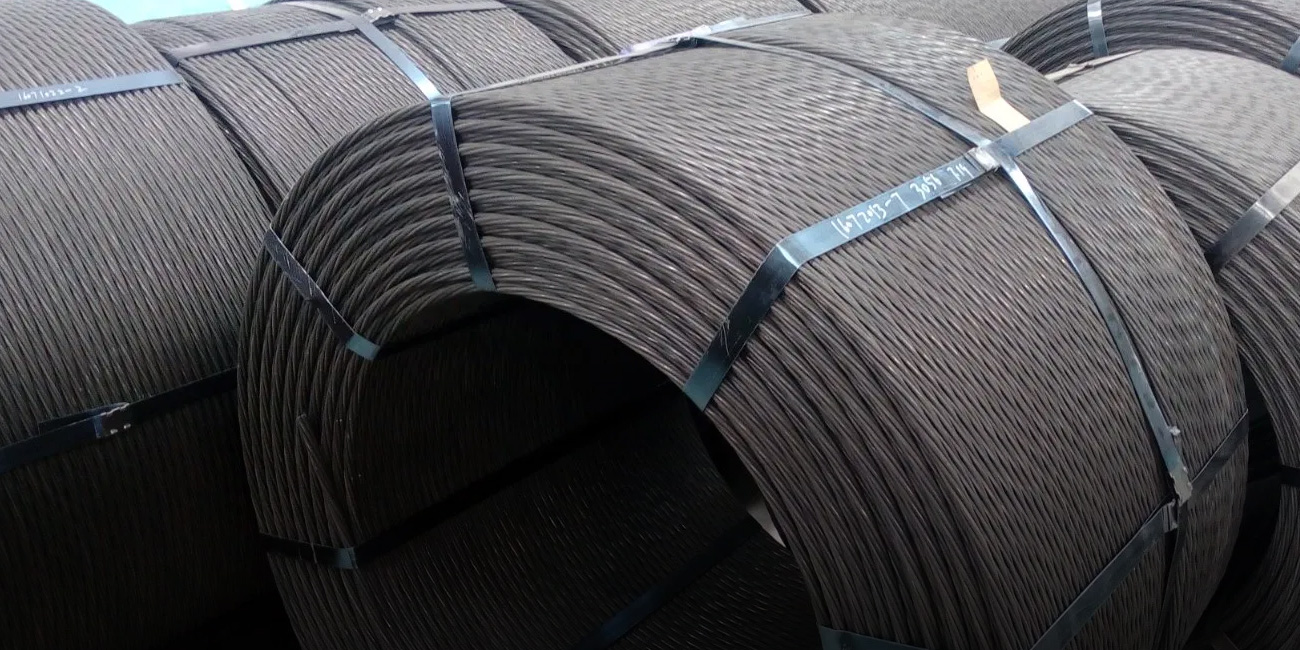
Prestressed steel strands
Steel pipes
Wire ropes
Fastener wire drawing
Steel wire drawing processes
The application materials have expanded from steel to:
Zinc alloys
Aluminum alloys
Magnesium alloys
The main components of a phosphating solution include:
Phosphoric acid (Free Acid)+Zinc dihydrogen phosphate (main coating-forming component)+Zinc nitrate (stabilizer)
Their functions are as follows:
Phosphoric acid initiates the first step of the phosphating reaction.
It reacts chemically with the steel surface, causing an immediate increase in the pH value of the working solution near the metal surface.
After reacting with the steel surface under the action of free acid, the local pH value rapidly increases to approximately 4.4.
At this point, zinc phosphate precipitates immediately onto the steel surface and forms the phosphate coating.
The reaction continues until the surface is completely covered by the phosphate film, after which the reaction gradually stops.
The coating mainly consists of:
Hopeite
Phosphophyllite
Zinc nitrate stabilizes the phosphating bath and prevents the accelerator value from becoming negative at high temperatures, maintaining bath stability and preventing bath reversal.
Excessive zinc nitrate content may result in a thinner phosphate coating.
Insufficient zinc nitrate content may easily cause bath instability or reversal.
Note:
This translation uses terminology commonly used in the wire drawing, fastener, cold heading steel wire, steel strand, and metal surface treatment industries. It is suitable for technical manuals, customer training materials, and overseas website content.
In the steel wire drawing process, the selection of wire drawing lubricant must ...
At Pino, we regard quality as the foundation of our business.As a manufacturer o...
For manufacturers producing stainless steel spring wire, choosing the right wire...
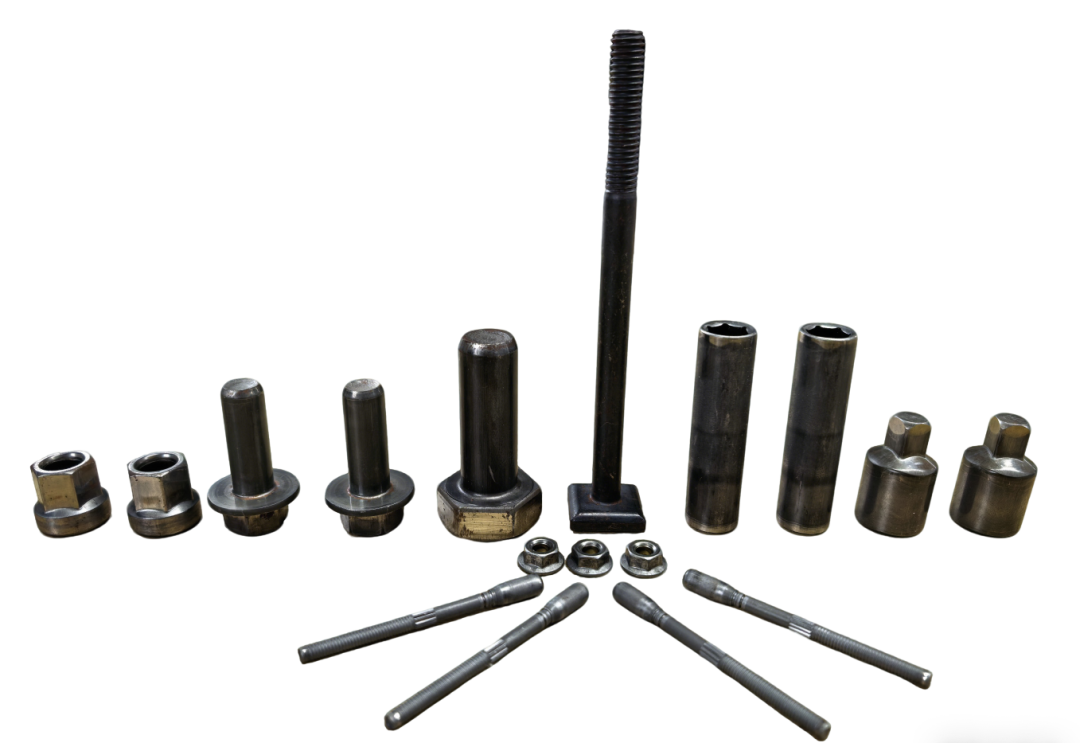
Cold heading wire is widely used in the production of fasteners and precision me...
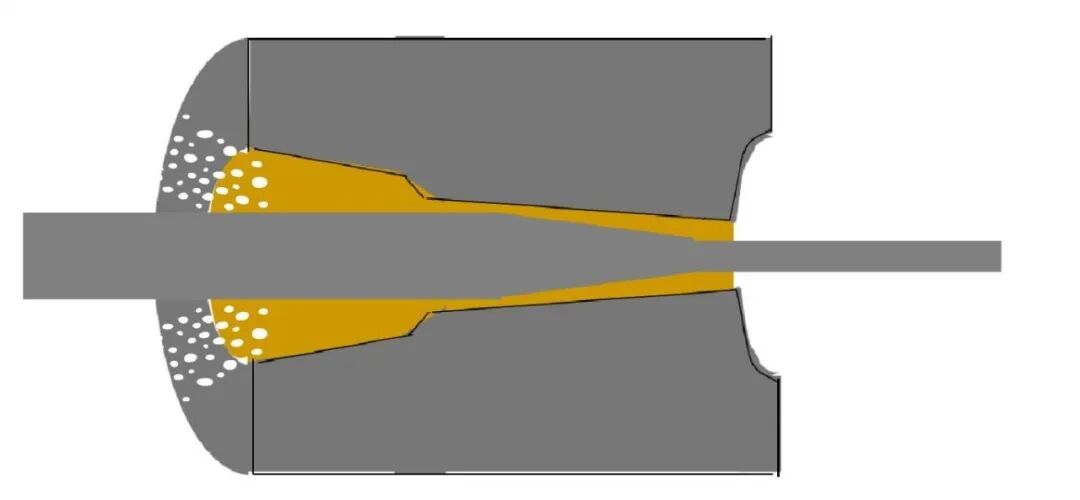
IntroductionWire drawing—the process of reducing the cross-section of metal rods...
We provide comprehensive wire production chemical solutions to global customers—from high-performance phosphating solutions to advanced dry wire drawing lubricants.