

News
Aug 07,2026
By:Pino
Steel wire phosphating can generally be classified into two categories based on the production line configuration:
Batch (Immersion) Phosphating Line
Continuous Phosphating Line
The structure of the production line determines the phosphating process and operating conditions.
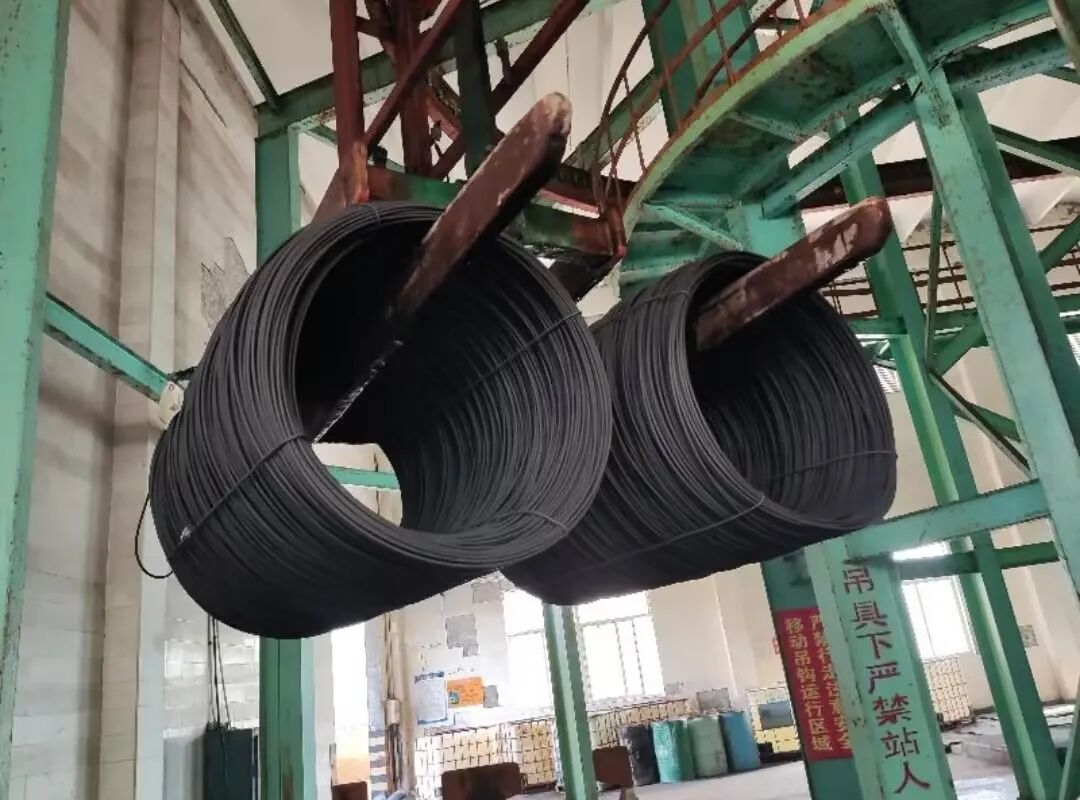
Batch phosphating lines are characterized by:
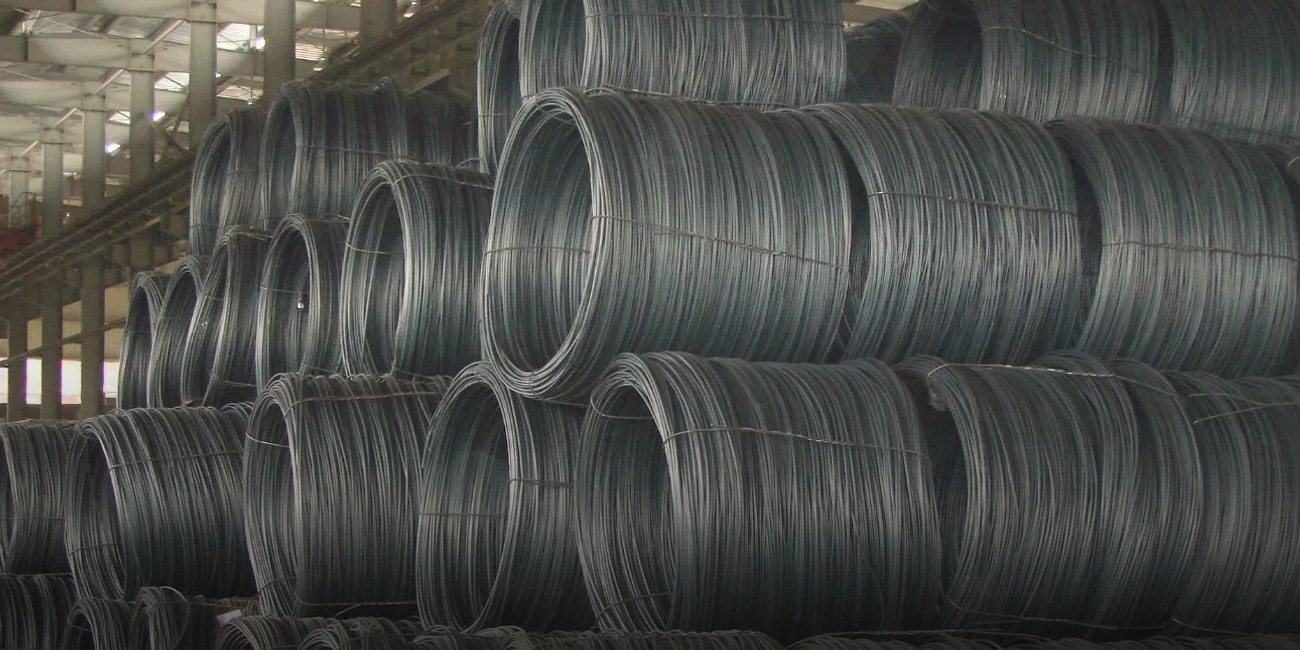
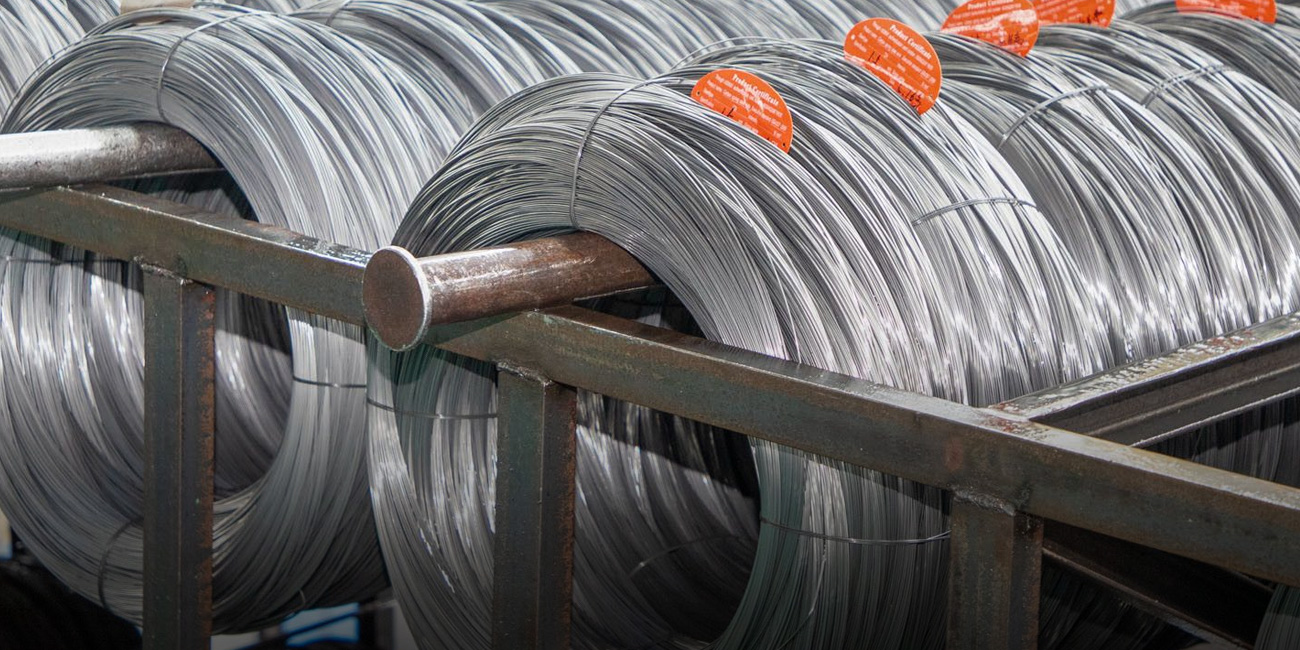
Steel wire is processed in coil form.
The wire remains immersed in the phosphating solution for a certain period.
Sufficient reaction time allows for stable phosphate film formation.
Two common phosphating processes are used.
Typical operating temperature: 65–75°C
This is one of the most widely used phosphating processes due to its mature technology and stable coating performance.
Depending on the scale removal method, it can be divided into:
Acid pickling
Mechanical descaling
Shot blasting
Typical operating temperature: 50–60°C
This is an emerging phosphating technology that has gained popularity in recent years.
Compared with conventional medium-temperature phosphating, it offers:
Lower operating temperature
Reduced energy consumption
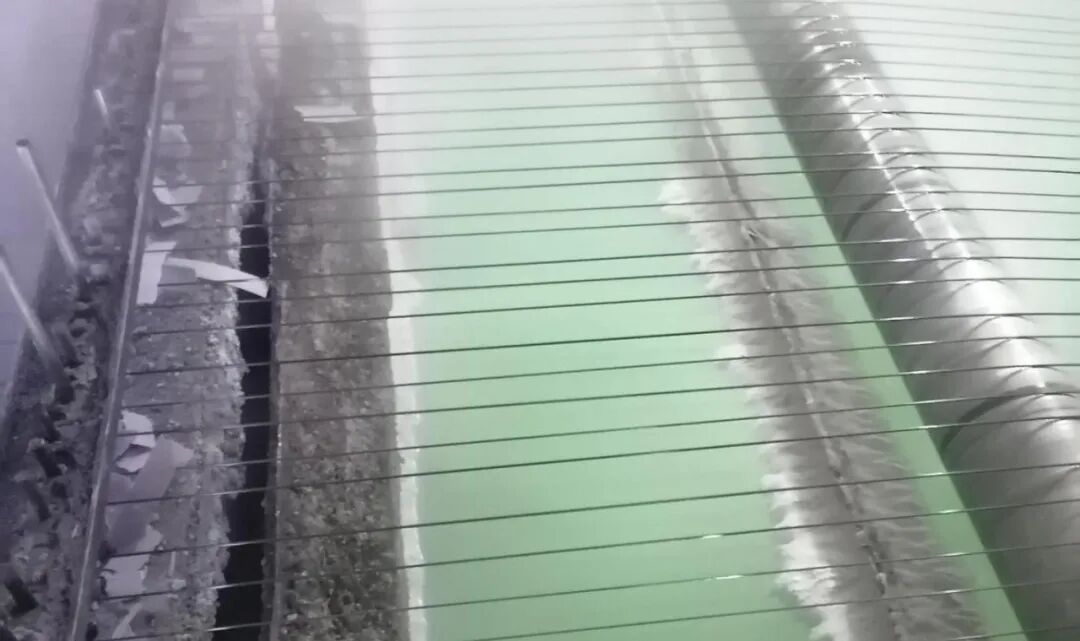
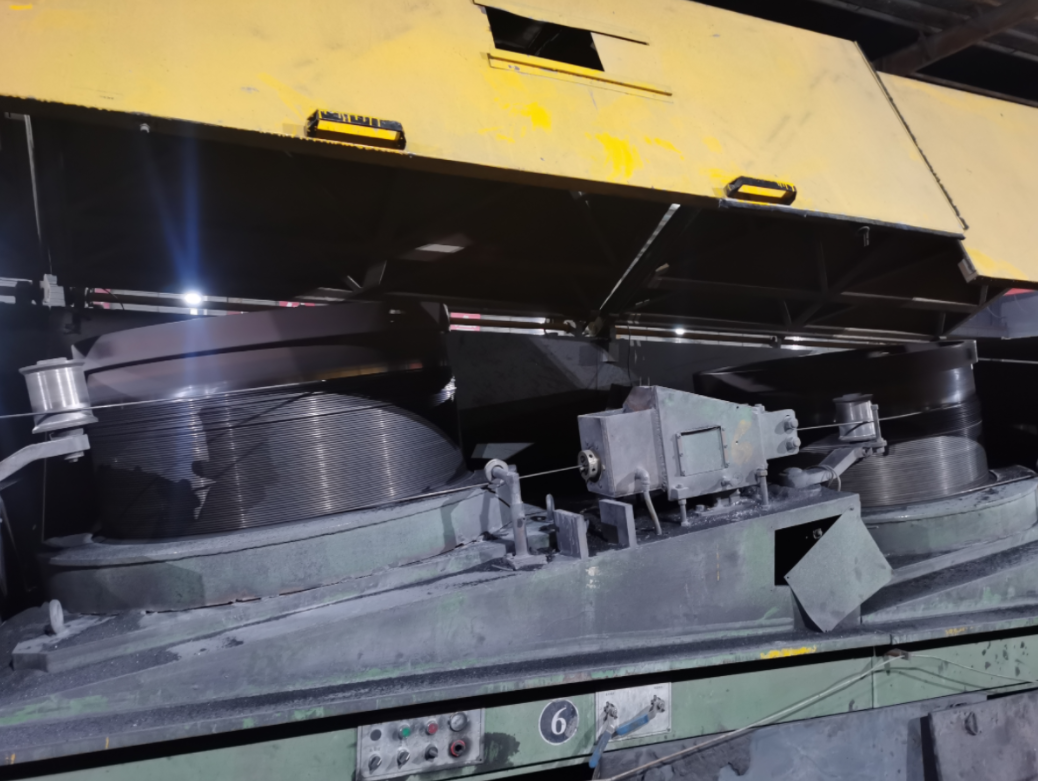
Continuous phosphating lines feature:
Continuous wire movement through the production line
Short reaction time
High requirements for rapid phosphate film formation
Two common processes are used.
Typical operating temperature: 75–85°C
Main characteristics:
Fast chemical reaction
High coating formation efficiency
Typically combined with acid pickling for scale removal
This remains the conventional phosphating process for many continuous wire production lines.
Typical operating temperature: 40–60°C
Electrolytic phosphating is a newer online phosphating technology designed for continuous production.
The descaling method generally depends on the production line configuration:
Mechanical descaling (commonly used for single-wire lines)
Acid pickling (commonly used for 28–48 wire multi-wire lines)
Compared with traditional high-temperature continuous phosphating, electrolytic phosphating offers:
Lower operating temperature
Different process control principles
Higher requirements for system integration and process control
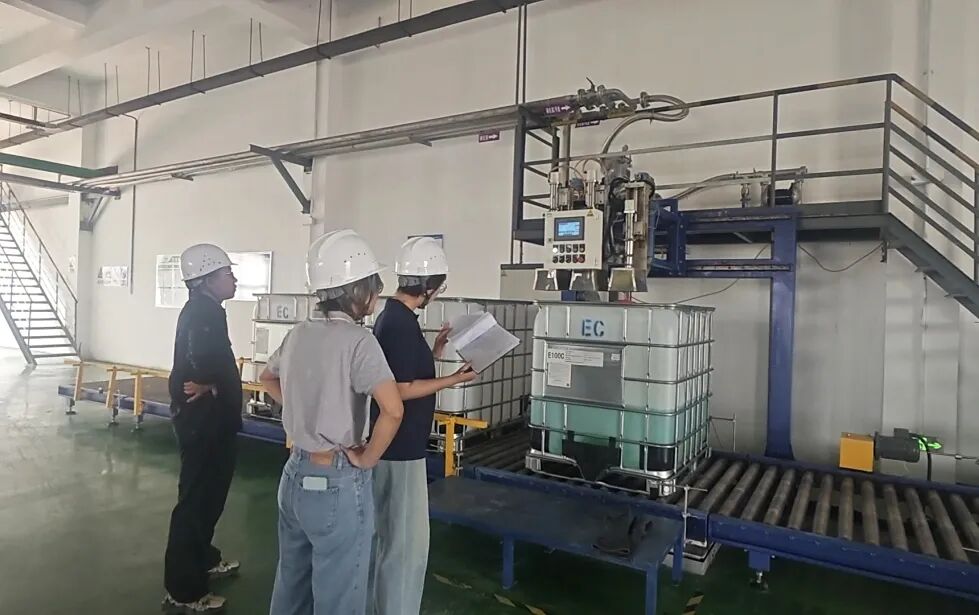
Recently, Pino welcomed an audit team from Bekaert, a global leader in the steel...
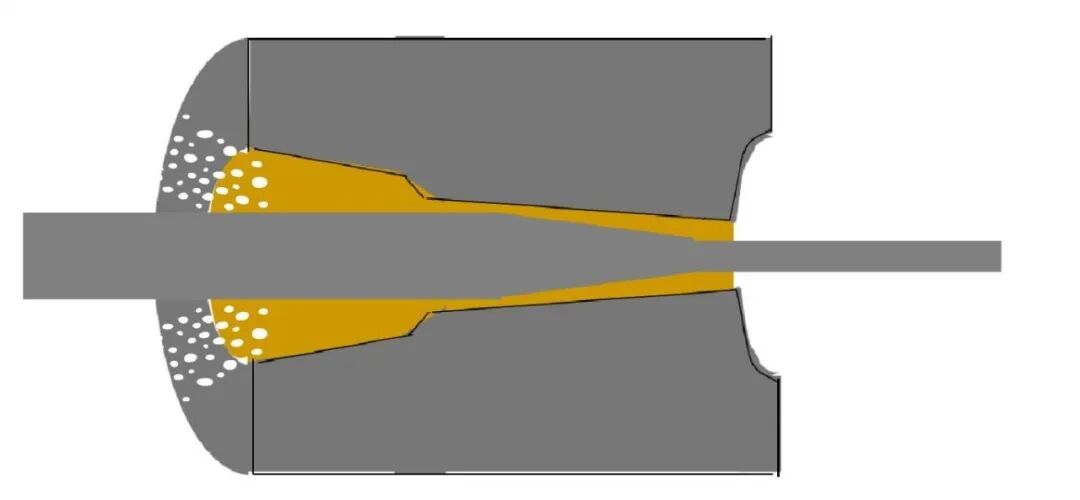
What is wire drawing lubricant? How has dry wire drawing lubricant evolved? And ...
In the steel wire drawing process, the selection of wire drawing lubricant must ...
At Pino, we regard quality as the foundation of our business.As a manufacturer o...
For manufacturers producing stainless steel spring wire, choosing the right wire...
We provide comprehensive wire production chemical solutions to global customers—from high-performance phosphating solutions to advanced dry wire drawing lubricants.