

News
Sep 03,2026
By:Pino
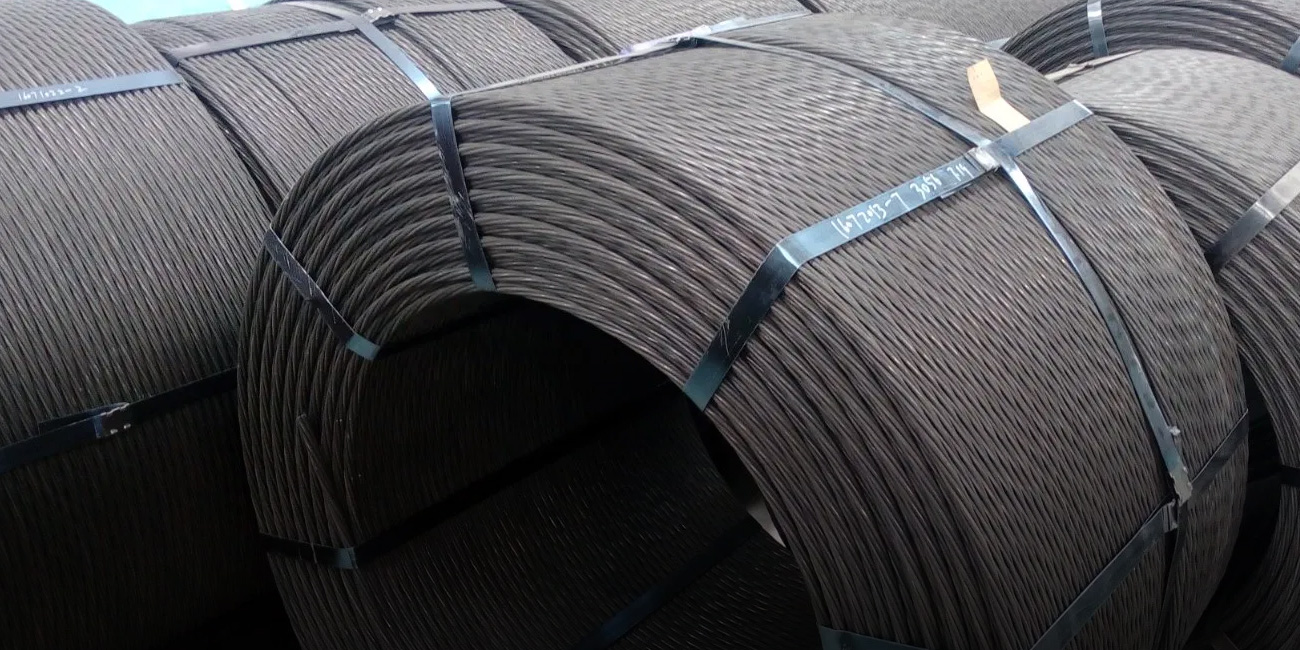
In this on-site application case, Pino phosphating solution was applied at a cold heading wire manufacturer producing precision wire in a wide range of steel grades.
Through process optimization and on-site technical support, Pino helped the customer improve the consistency of the phosphate-soap coating process for different materials and applications.
The customer is a cold heading wire manufacturer specializing in the production of precision steel wire for downstream forming applications.
The materials processed at the site include:
08Al
10# steel
20# steel
22A
10B21
10B33
35K
45K
SCM435
50BV30
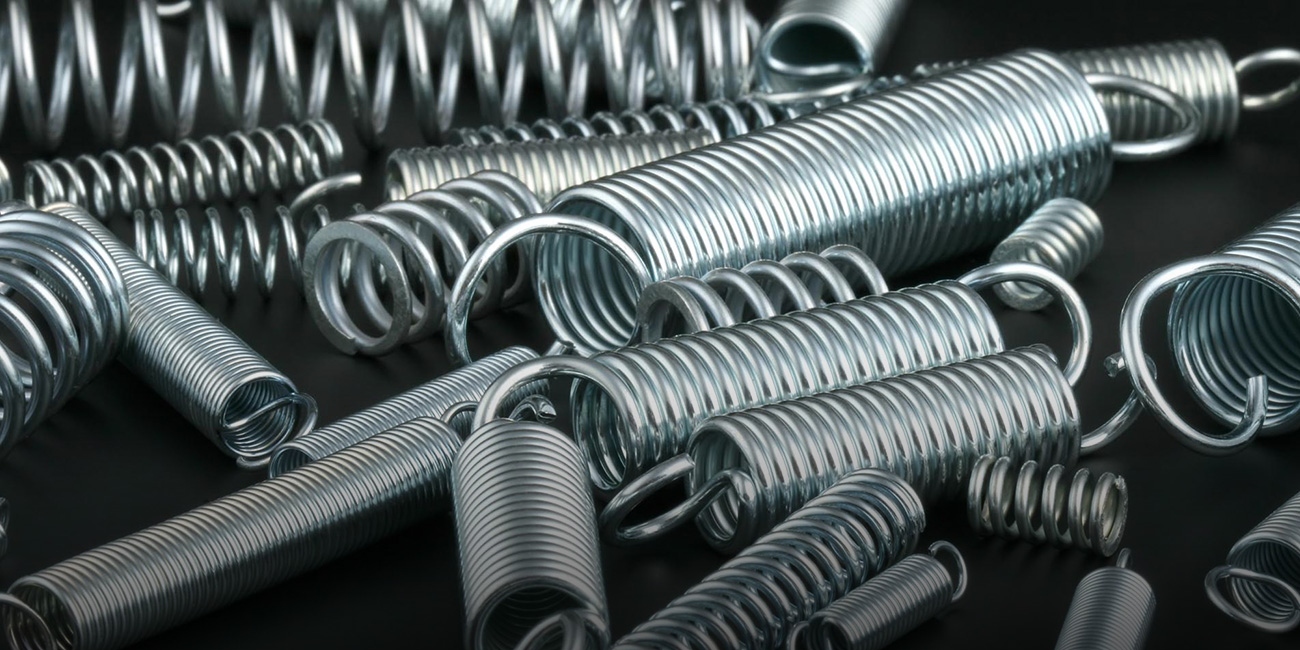
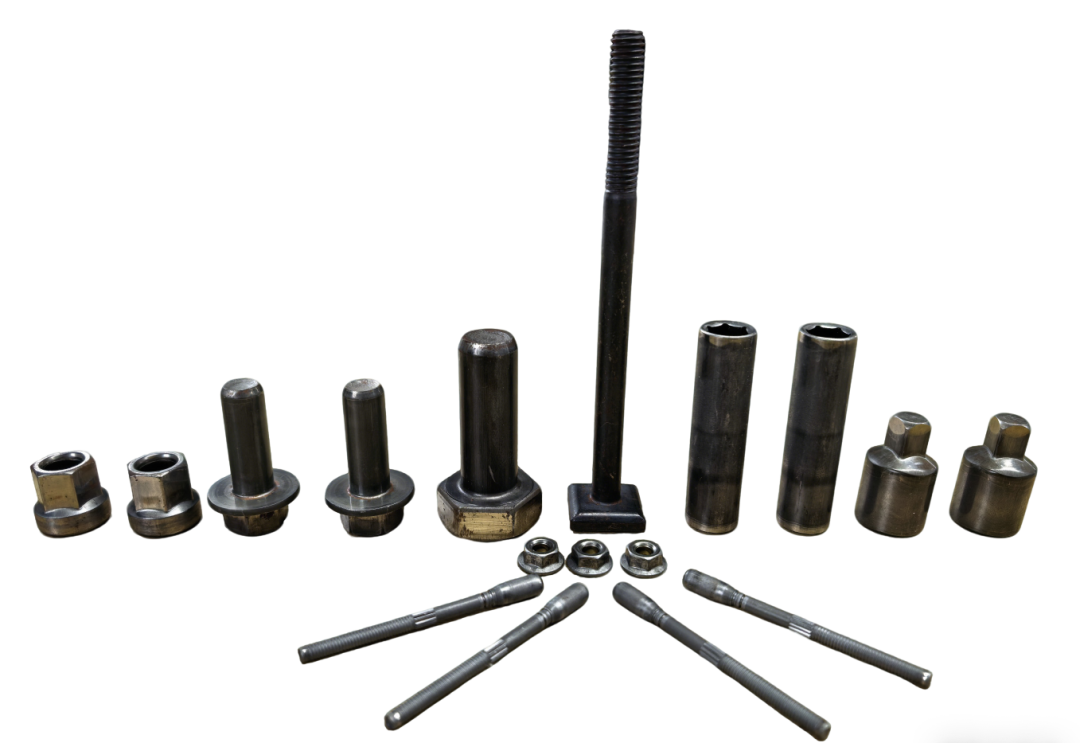
These cold heading steel wires are mainly supplied for the production of:
Bolts
Nuts
Sleeves
Bearings
Special-shaped components
Automotive components
Mechanical parts
Hardware products
Because these applications involve cold forming and high deformation, the surface coating needs to provide reliable adhesion and lubrication performance.
For this reason, phosphating and subsequent soap treatment are critical processes in cold heading wire production.
Based on the customer's production conditions and different steel grades, Pino focused on three key areas:
Standardizing the overall surface treatment process
Optimizing the key phosphating parameters
Providing on-site technical support for different materials
The objective was not simply to supply phosphating chemicals, but to optimize the complete phosphate-soap treatment process.
The optimized process sequence was:
Hydrochloric Acid Pickling → Water Rinsing → Rinsing → Water Rinsing → Phosphating → Water Rinsing → Neutralization → Soaping → Drying
During the process optimization, particular attention was paid to three critical stages.
The pickling process directly affects the cleanliness and surface condition of the steel wire entering the phosphating bath.
An unstable pickling process may result in:
Incomplete removal of surface oxides
Excessive pickling
Uneven surface activation
Poor phosphate coating formation
Therefore, the acid pickling parameters were adjusted according to different steel grades and production conditions.
The phosphating stage is the core of the surface treatment process.
The objective is to form a uniform and well-adhered phosphate coating that provides a suitable base for the subsequent soap coating.
Pino optimized the phosphating parameters according to the customer's materials and production requirements.
After phosphating, the wire enters the soaping stage.
A properly controlled soap coating works together with the phosphate layer to provide lubrication during subsequent cold heading and forming operations.
Therefore, soap concentration, treatment conditions, and drying conditions were also standardized as part of the overall process optimization.
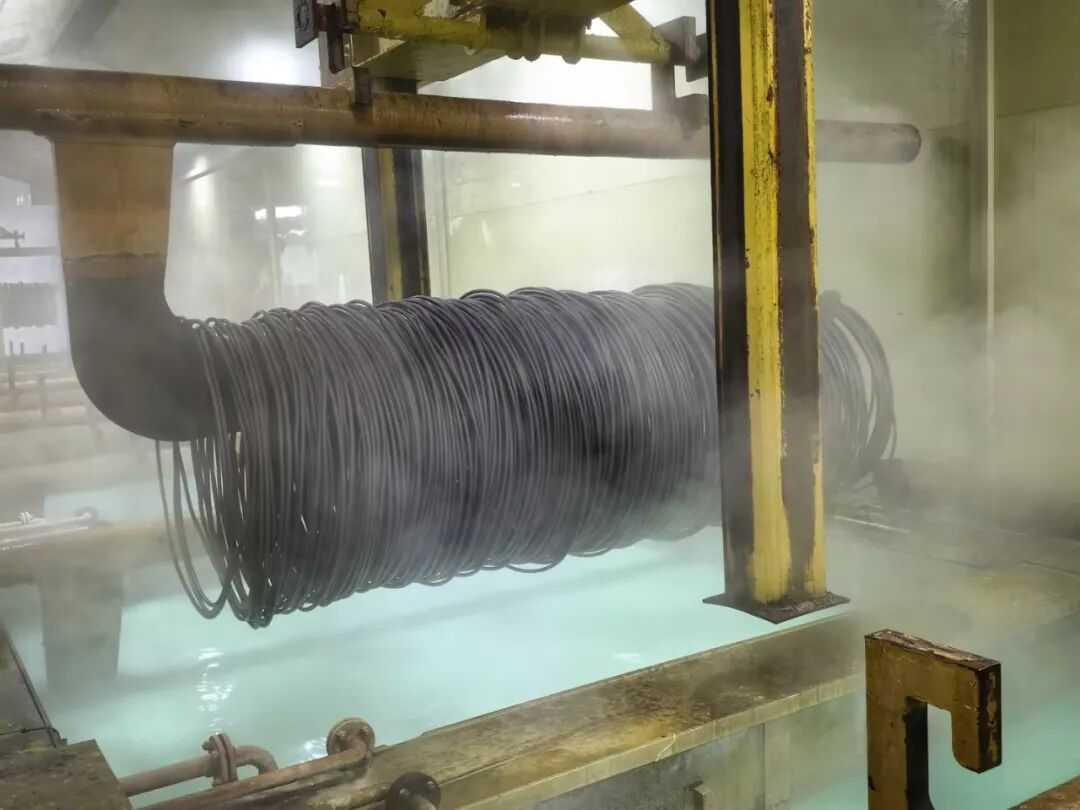
During the on-site application, the main phosphating parameters were controlled within the following ranges:
| Parameter | Control Range |
|---|---|
| Total Acidity | 50–60 |
| Acid Ratio | 6–8 |
| Accelerator | 0.8–1.5 |
| Bath Temperature | 75–80°C |
| Phosphate Coating Weight | 6–14 g/m² |
These parameters were used as important process-control references during production.
However, phosphating parameters should not be considered independently. Factors such as steel grade, surface condition, pickling performance, production speed, bath condition, and subsequent soap treatment can all influence the final coating.
Therefore, process parameters should be adjusted based on actual production conditions rather than simply applying a fixed formula.
For cold heading wire manufacturers processing multiple steel grades, a major challenge is maintaining stable surface treatment performance across different materials.
Pino's technical team provided on-site assistance to optimize the pickling, phosphating, and phosphate-soap treatment processes for different materials.
The technical service focused on:
Analyzing the customer's existing process
Checking the condition of the wire surface
Optimizing pickling parameters
Adjusting phosphating parameters
Controlling phosphate coating weight
Optimizing the soaping process
Evaluating the coating condition of different steel grades
Establishing more standardized process-control requirements
This approach helps the customer build a more stable and controllable surface treatment process instead of relying solely on chemical replacement.
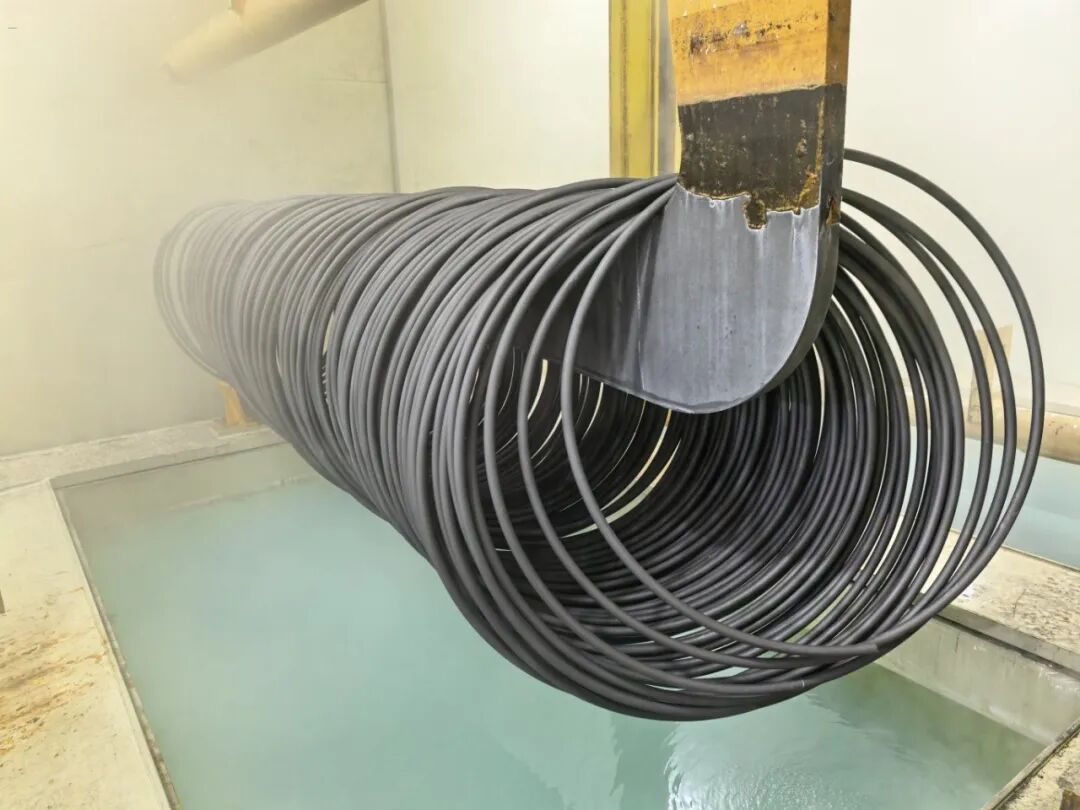
For cold heading applications, the phosphate-soap coating system plays an important role between the steel wire and the forming tools.
A suitable phosphate coating can provide a porous surface structure that helps retain the subsequent lubricant.
After soap treatment, the phosphate-soap coating system can contribute to:
Improved lubrication
Reduced friction during forming
Better surface protection
More stable cold heading performance
Reduced risk of surface defects
Improved consistency of downstream forming
This is particularly important for high-strength and alloy cold heading steels such as 10B21, 10B33, SCM435 and 50BV30, where forming conditions can be more demanding.
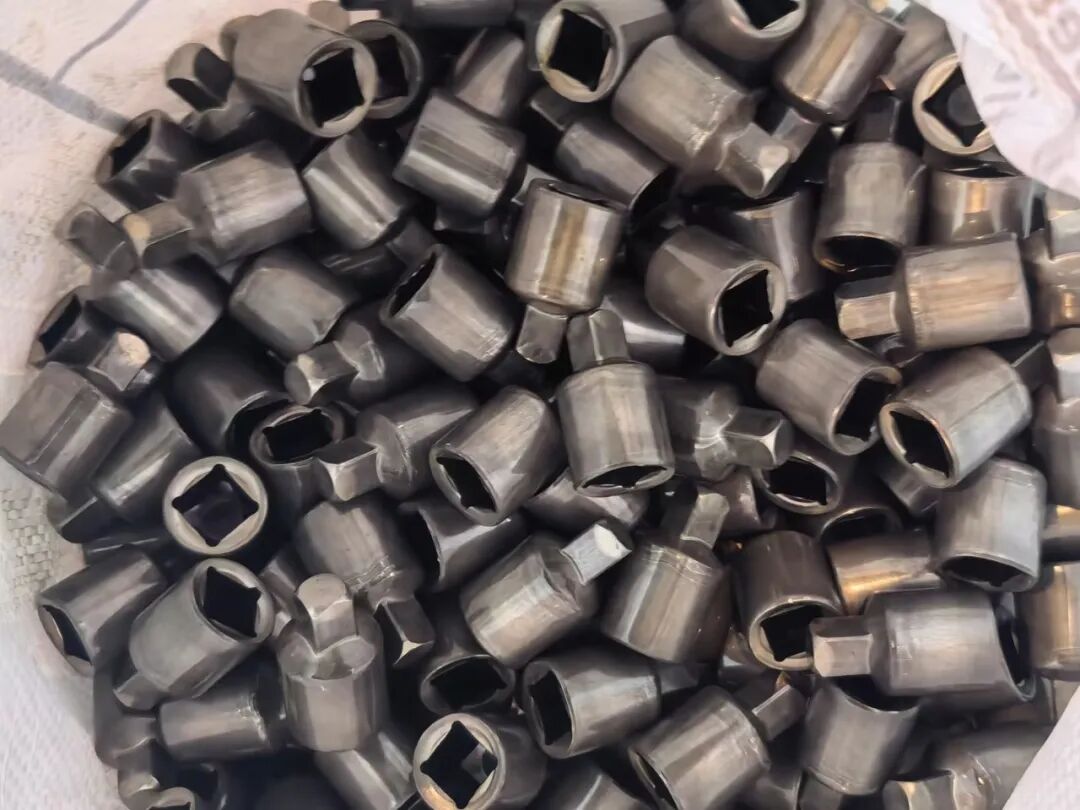
The treated cold heading wire is ultimately used in a wide range of downstream applications.
Typical finished products include:
Bolts → Nuts → Sleeves → Bearings → Special-Shaped Parts → Automotive Components → Mechanical Parts
The quality of the wire surface treatment therefore has a direct relationship with the performance and stability of downstream cold forming processes.
A stable phosphating and soaping process provides a reliable foundation for subsequent manufacturing operations.
For cold heading wire production, simply selecting a phosphating chemical is not enough.
The final coating performance is affected by the interaction of:
Steel Grade + Pickling + Surface Preparation + Phosphating + Rinsing + Neutralization + Soaping + Drying
Any instability in one of these stages can affect the final phosphate-soap coating.
This is why Pino focuses on process optimization and on-site technical service, rather than treating phosphating chemicals as an isolated product.
Pino provides chemical solutions and technical services for steel wire surface treatment, including:
Phosphating solutions
Wire drawing lubricants
Soap coatings
Surface treatment chemicals
Electrolytic phosphating technology
Low-temperature phosphating solutions
Process optimization and on-site technical service
For cold heading wire manufacturers, Pino can support the optimization of the complete pickling–phosphating–soaping process, helping manufacturers achieve more stable coating performance across different steel grades.
If you are looking for a phosphating solution for cold heading wire, or are experiencing problems with phosphate coating adhesion, coating weight, lubrication, or process stability, contact the Pino technical team to discuss your application.
In the steel wire drawing process, the selection of wire drawing lubricant must ...
At Pino, we regard quality as the foundation of our business.As a manufacturer o...
For manufacturers producing stainless steel spring wire, choosing the right wire...

Cold heading wire is widely used in the production of fasteners and precision me...
IntroductionWire drawing—the process of reducing the cross-section of metal rods...
We provide comprehensive wire production chemical solutions to global customers—from high-performance phosphating solutions to advanced dry wire drawing lubricants.