

News
Sep 01,2026
By:Pino
Wire drawing—the process of reducing the cross-section of metal rods by pulling them through a die—is one of the oldest and most fundamental metalworking techniques. The core challenges have always been friction and heat: without effective lubrication, the intense friction between metal and die leads to overheating, rapid die wear, wire breakage, and plummeting efficiency. The development of effective lubricants thus stands as a true milestone in the history of metal processing.
Among the three main categories of wire drawing lubricants—emulsions (water-based), oil-based, and dry lubricants—dry lubricants (commonly known as drawing powder or wire drawing powder) have emerged as the market mainstream due to their efficiency, cleanliness, and environmental advantages. This article traces the fascinating evolution of this essential industrial material.
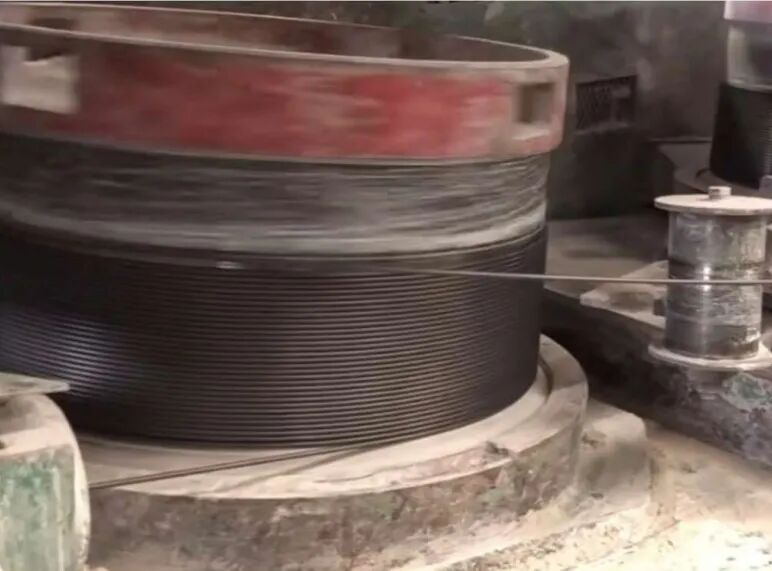
The early history of wire drawing dates back centuries. From the 14th through the 19th century, wire drawing was primarily powered by human or water-driven machinery. Lubrication during this period was rudimentary at best—operators relied on simple mixtures such as lime paste, wheat or rye flour paste, and animal fats. These early lubricants offered limited effectiveness and were often applied inconsistently.
Historical records from the 1870s describe the common practice of applying a paste made of rye or wheat flour, or lime, to the surface of wire before drawing, sometimes followed by smearing with tallow or grease. Finer wire sizes sometimes employed wax as a lubricant. Some operators experimented with salt coatings in an attempt to improve adhesion and lubrication performance. While these methods provided marginal improvements, they were far from optimal for the demanding conditions of metal deformation.
The 19th century brought dramatic changes. The expansion of telegraph networks, railways, and the electrical industry created unprecedented demand for metal wire. This surge in demand drove a mechanical revolution in wire drawing, with the introduction of hard metal and diamond dies that significantly improved drawing efficiency. However, these harder, more wear-resistant dies also demanded far more from lubricants—a challenge that set the stage for the development of more sophisticated dry lubricants.
The early 20th century saw mineral oils and synthetic emulsions begin to replace traditional greases in wire drawing applications. A pivotal development during this period was the introduction of phosphating (phosphate coating) technology for steel wire drawing. German technologists discovered in the mid-1930s that phosphate coatings dramatically improved lubrication in severe metal forming operations. After World War II, this practice became widespread. The phosphate coating provides excellent adhesion and ductility while enhancing the wire's wear resistance and corrosion protection—and when combined with an additional lubricant, it delivers highly effective results.
During this same era, graphite and talc powders also began to find use in dry wire drawing applications.
The mid-20th century marked the true emergence of modern dry wire drawing lubricants. The core innovation was the development of metal soaps—particularly calcium stearate and sodium stearate—produced through saponification reactions.
Metal soaps quickly proved superior to earlier lubricants. Sodium soaps (sodium stearate) are water-soluble, easy to remove, and well-suited for medium-speed dry drawing and fine-wire wet drawing. Calcium soaps (calcium stearate), on the other hand, are adapted to lower drawing velocities. Research has shown that sodium stearate performs better at the highest speeds, while calcium stearate is optimal for slower operations.
The 1950s saw major lubricant manufacturers begin commercial production of dry soaps specifically formulated for wire drawing. These dry powder lubricants offered distinct advantages over wet alternatives: they were cleaner, more environmentally friendly, and particularly well-suited for multi-pass high-speed drawing processes. During this period, the industrialization of drawing powder production matured, and formulations began to be optimized for specific metal types—high-carbon steel, low-carbon steel, stainless steel, and others.
China's industrial drawing powder development began relatively late, starting in the 1980s. In 1986, China's Ministry of Metallurgical Industry launched a research project on "Process Lubrication for High-Speed Continuous Drawing". The Anqiu Dasheng Guangming Chemical Factory successfully developed XAG-type industrial drawing powder. In three large-scale trials conducted at Xianyang Steel Pipe and Wire Rope Factory, Dalian Wire Rope Factory, and Shougang Special Steel Company, the domestically produced powder demonstrated quality and performance that surpassed the previously dominant Japanese WD-100M product. This achievement ended the monopoly of foreign drawing powders in China's wire drawing industry. Over the following two decades of technical accumulation and innovation, Chinese-made industrial drawing powders caught up with—and in some aspects surpassed—imported products.
The wire drawing lubricants market has grown into a significant industrial sector. The global wire drawing lubricants market was estimated at USD 279.70 million in 2023 and is projected to reach USD 328.19 million by 2029, exhibiting a compound annual growth rate (CAGR) of 2.70%.
Within this market, dry wire drawing lubricants hold a dominant position. The global dry wire drawing lubricants market was valued at approximately USD 169.23 million in 2023 and is projected to reach USD 195.11 million by 2029, with a CAGR of 2.40%. Dry lubricants account for roughly 60% of the total market, with major applications in high-value-added segments including tire bead wire, steel cord for tires, stainless steel wire, and galvanized wire.
Key players in the global dry wire drawing lubricants market include TRAXIT International, CONDAT, Kyoeisha, Adeka, Chemetall, Aztech Lubricants, Blachford, Holifa, Pan Chemicals, and Jiangyin Ouyate. Major manufacturers are classified by product type into sodium soap-based and calcium soap-based lubricants.
China's wire drawing lubricant market is projected to grow at approximately 5% annually over the next five years, driven by expansion in downstream industries including automotive manufacturing, infrastructure construction, and mechanical processing. As one of the world's largest producers of steel wire and related products, China represents a critical growth region for the industry.
Stricter environmental regulations are reshaping the industry landscape. Recent policy updates in China, such as the "New Pollutants Control Action Plan (2026 Revision)," mandate that PAHs (polycyclic aromatic hydrocarbons) content in industrial lubricants and rust preventives must not exceed 0.5 mg/kg—posing substantial challenges to traditional formulations. Regulations now impose stricter limits on chlorine content in lubricants and nitrite content in rust preventives.
The market is moving beyond basic lubrication toward performance-engineered chemistries that support higher drawing speeds and longer die life. The wire drawing lubricant landscape is being reshaped by three structural shifts: electrification, sustainability, and precision manufacturing. Growth in electric vehicles, grid modernization, renewable energy transmission, and data-center infrastructure is creating sustained demand for high-quality wire products and, by extension, advanced lubricants.
Sustainability imperatives have led formulators to incorporate bio-based carriers and biodegradable additives that meet stringent environmental standards without sacrificing performance. Manufacturers are increasingly using plant-based and renewable sources when possible. Simultaneously, digitalization of manufacturing lines has enabled real-time monitoring of lubricant viscosity and temperature, allowing for on-the-fly adjustments that enhance process stability and extend tool life.
Key technical challenges facing the industry include:
Improving lubrication performance to reduce die wear and increase drawing efficiency
Developing alternatives to traditional formulations that reduce dust generation and minimize environmental pollution
Reducing waste and worker exposure through improved product design and application methods
Enhancing high-temperature performance for increasingly demanding drawing conditions
Chinese domestic manufacturers are accelerating technological breakthroughs and moving toward the high-end market segment. The future of dry wire drawing lubricants lies in efficient, clean, and intelligent solutions. Emerging trends include:
Environmentally friendly formulations with reduced toxicity and improved biodegradability
High-performance powders with extremely low friction coefficients
Anti-caking and dust-reducing technologies to improve workplace safety and product consistency
Real-time monitoring and adaptive lubrication systems integrated with smart manufacturing platforms
From the simple lime and flour pastes of the 14th century to today's precision-engineered metal soap formulations, the evolution of wire drawing powder reflects the broader trajectory of industrial progress. The journey from rudimentary lubrication to sophisticated dry powder systems has enabled the high-speed, multi-pass drawing processes that underpin modern manufacturing—from tire cords and bridge cables to electrical wiring and medical devices.
As environmental regulations tighten and manufacturing demands grow more exacting, the next chapter in this history will be written by innovators who can combine performance with sustainability, creating lubricants that are not only more effective but also cleaner, safer, and smarter. The dry wire drawing lubricant industry stands at the threshold of its next transformation—and the milestones yet to come promise to be as significant as those that have come before.
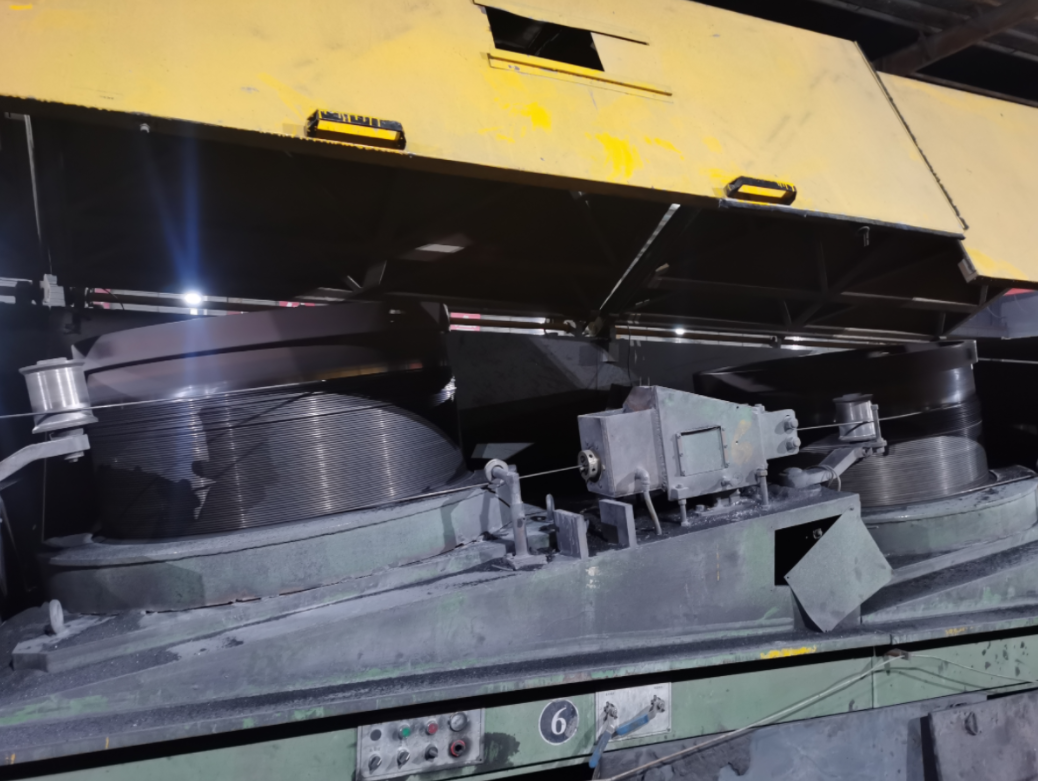
In the steel wire drawing process, the selection of wire drawing lubricant must ...
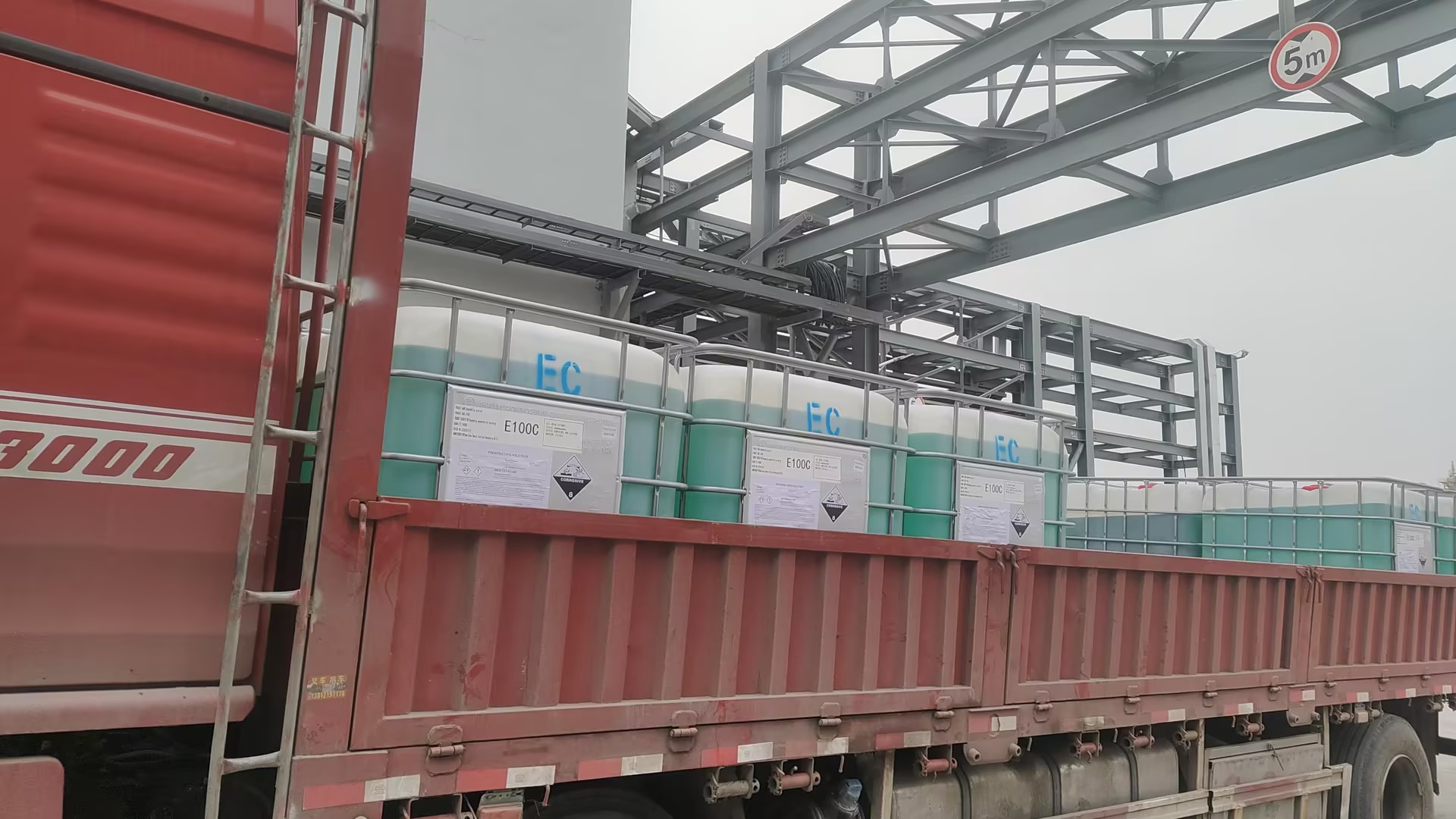
At Pino, we regard quality as the foundation of our business.As a manufacturer o...
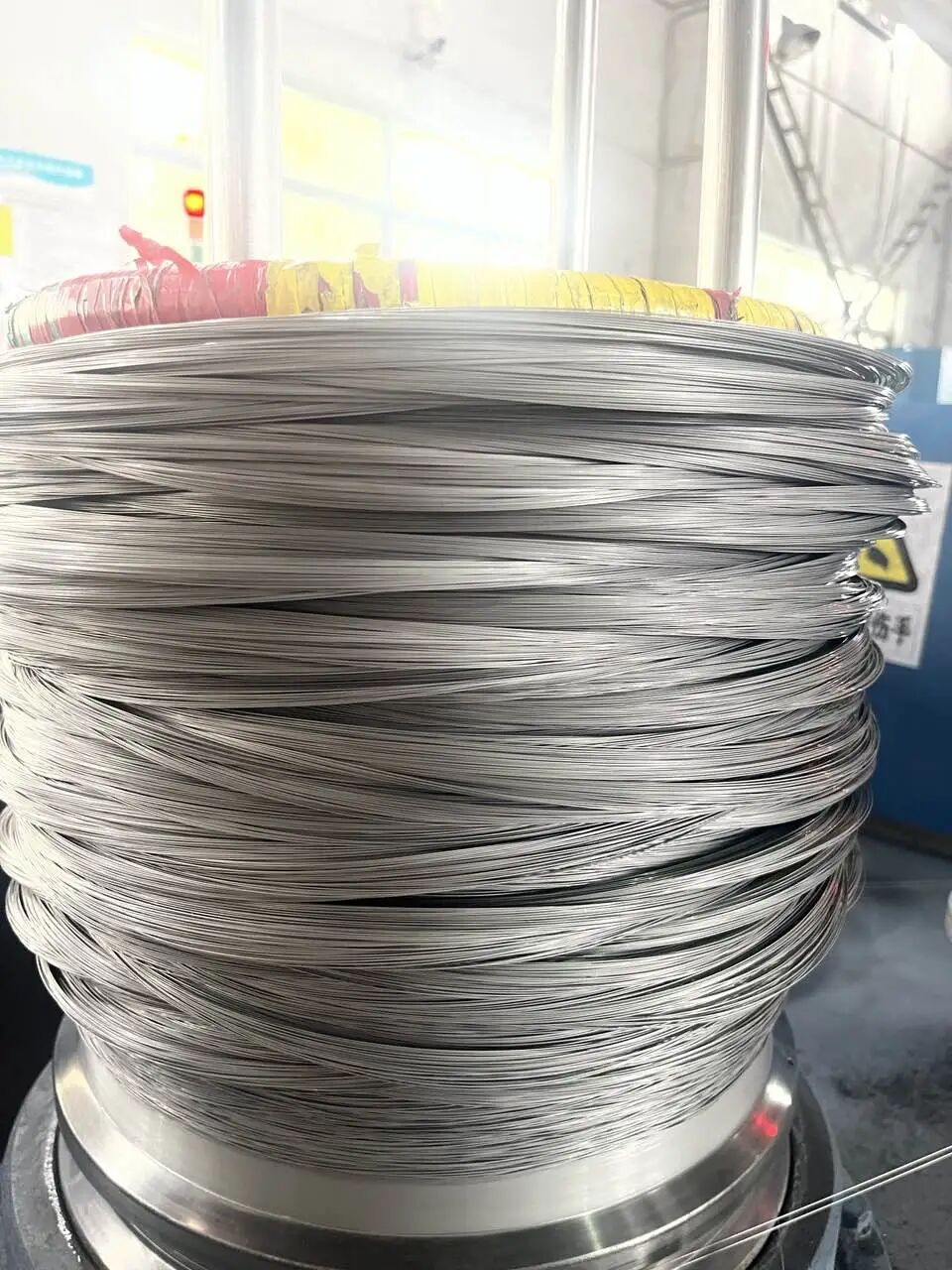
For manufacturers producing stainless steel spring wire, choosing the right wire...
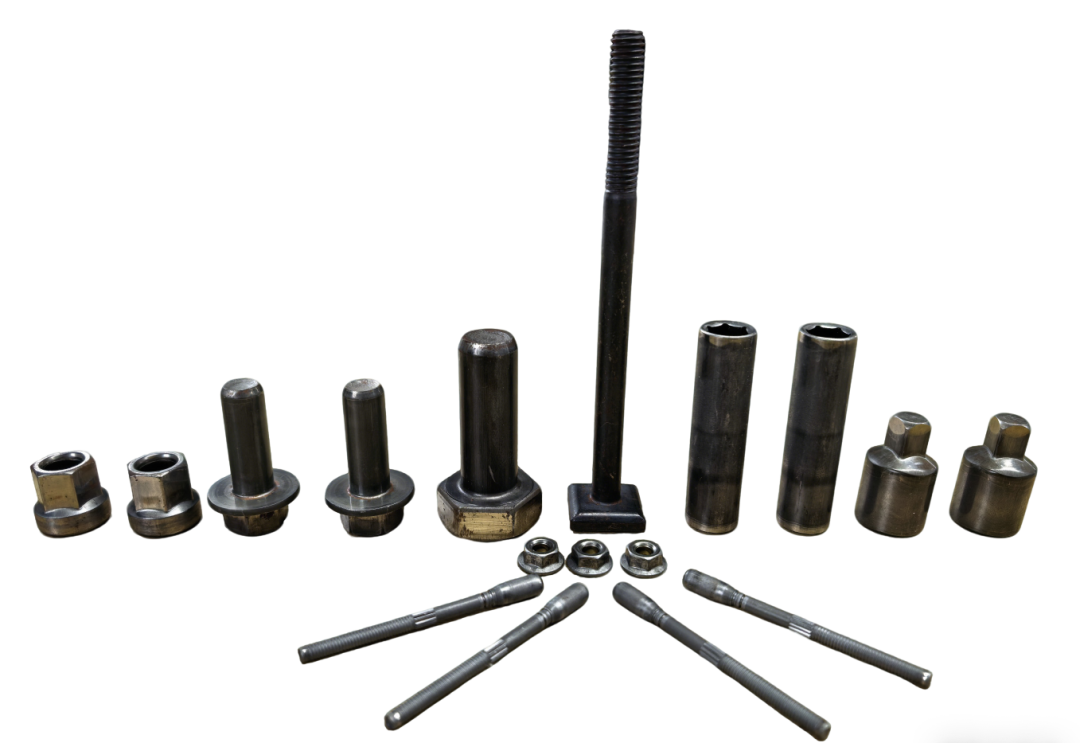
Cold heading wire is widely used in the production of fasteners and precision me...
IntroductionWire drawing—the process of reducing the cross-section of metal rods...
We provide comprehensive wire production chemical solutions to global customers—from high-performance phosphating solutions to advanced dry wire drawing lubricants.