

News
Jul 31,2026
By:Pino
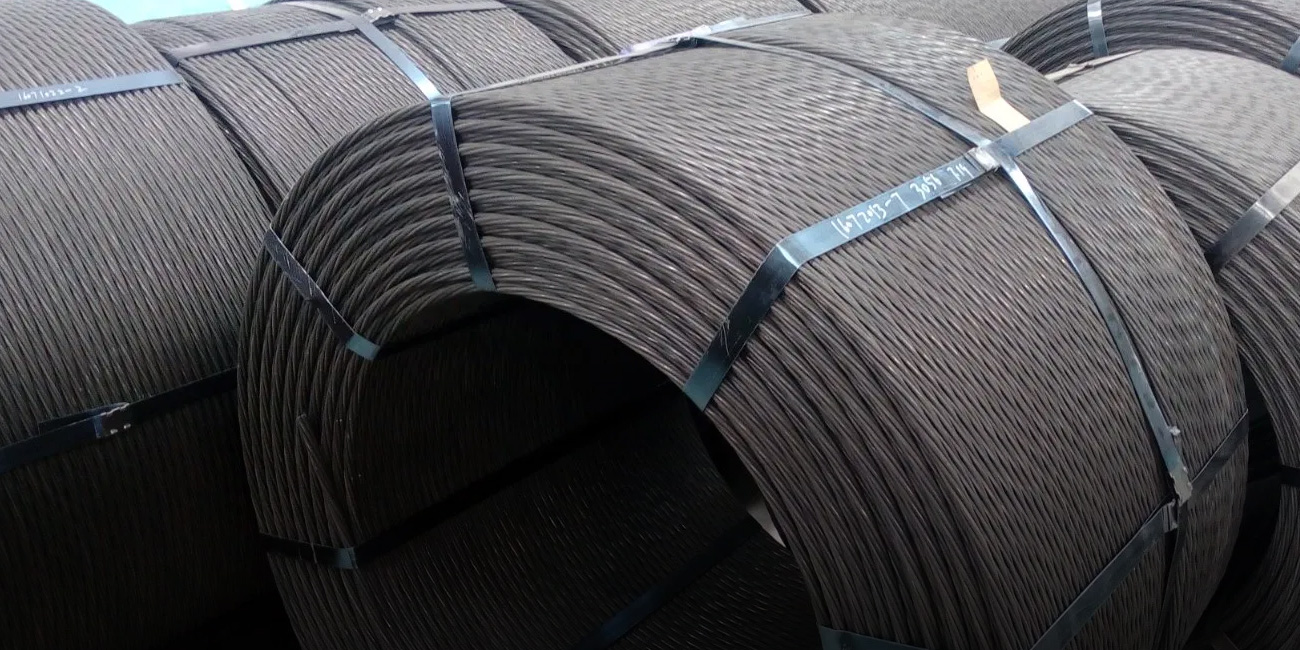
When it comes to enhancing the durability, corrosion resistance, and processability of steel wire, phosphated steel wire stands out as a proven solution across multiple industries. However, not all phosphating processes deliver the same performance. Choosing the right phosphate coating—and maintaining it properly—can mean the difference between consistent production quality and costly downtime.
In this comprehensive guide, we’ll walk you through the key selection criteria, maintenance best practices, and common questions to help you get the most out of phosphated steel wire.
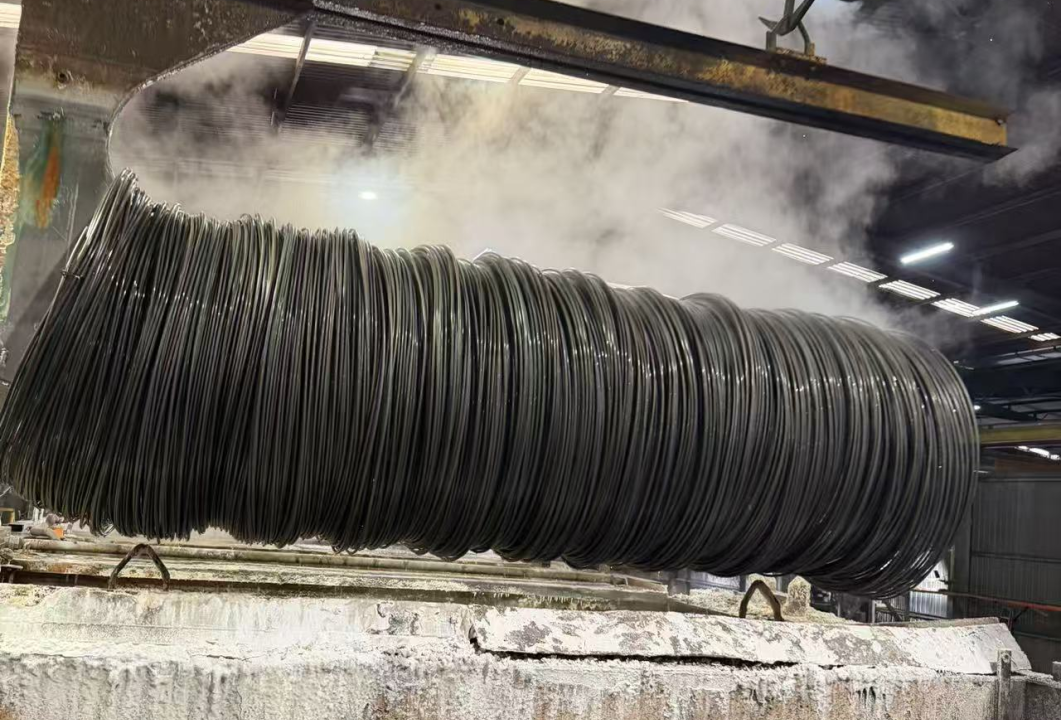
Phosphated steel wire is steel wire that has undergone a phosphate conversion coating process. This chemical treatment creates a crystalline phosphate layer on the wire surface, which significantly improves:
Corrosion resistance (especially when combined with oil or lubricants)
Lubricity during cold forming and wire drawing
Wear resistance and friction reduction
Adhesion for subsequent coatings (paints, rubbers, or plastics)
The coating acts as both a protective barrier and a carrier for drawing lubricants, making it indispensable in high-speed manufacturing environments.
Selecting the optimal phosphating process is not a one-size-fits-all decision. To ensure maximum performance and cost-efficiency, evaluate these five critical factors:
Humidity & temperature – High humidity or fluctuating thermal conditions may require heavier coating weights or supplementary oiling.
Corrosive media – Exposure to salts, acids, or chemicals demands a more robust phosphate layer (e.g., zinc phosphate vs. manganese phosphate).
Low‑carbon steels respond well to lighter coatings.
High‑carbon or alloy steels often need thicker, more ductile phosphate layers to withstand drawing stresses and prevent micro-cracking.
Wire drawing – Requires excellent lubricant retention; zinc phosphate is commonly preferred.
Cold heading / forging – Benefits from manganese phosphate for extreme pressure conditions.
Painting / bonding – Requires a fine, uniform crystal structure for optimal adhesion.
Define your salt spray test (ASTM B117) or humidity chamber requirements.
For moderate protection, zinc phosphate + oil may suffice. For severe conditions, consider zinc‑calcium or manganese phosphate with a sealed topcoat.
The phosphate coating acts as a sponge for drawing lubricants (soaps, oils, or polymers).
Match the coating porosity and crystal size to your lubricant type and drawing speed to minimize friction and die wear.
Pro Tip: Collaborating with an experienced phosphating solution supplier ensures that the coating chemistry, bath parameters, and post‑treatment are fine‑tuned to your specific wire grade and production line.
Even the best phosphate coating can underperform if stored or handled improperly. Follow these recommended practices to preserve its protective properties:
Maintain relative humidity below 60% to prevent moisture absorption and premature rusting.
Use elevated racks or pallets to avoid floor dampness.
Cover wire coils with breathable but water‑repellent covers during transport.
If wire gets wet, dry it thoroughly before further processing.
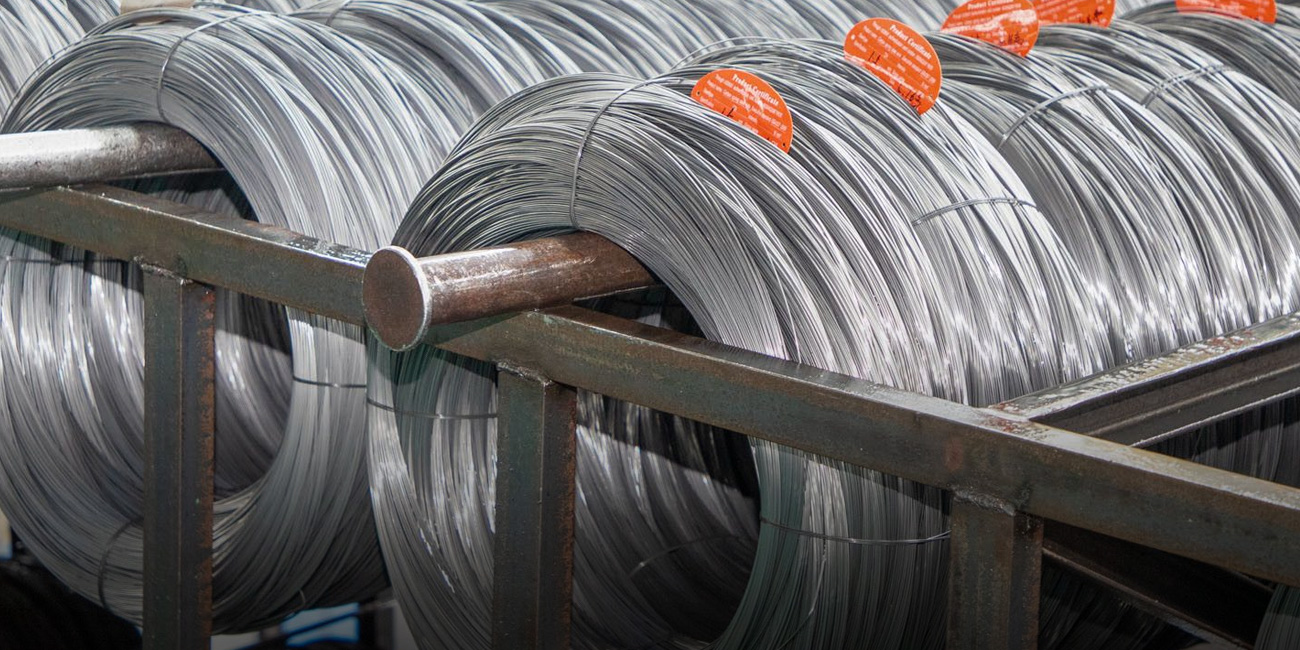
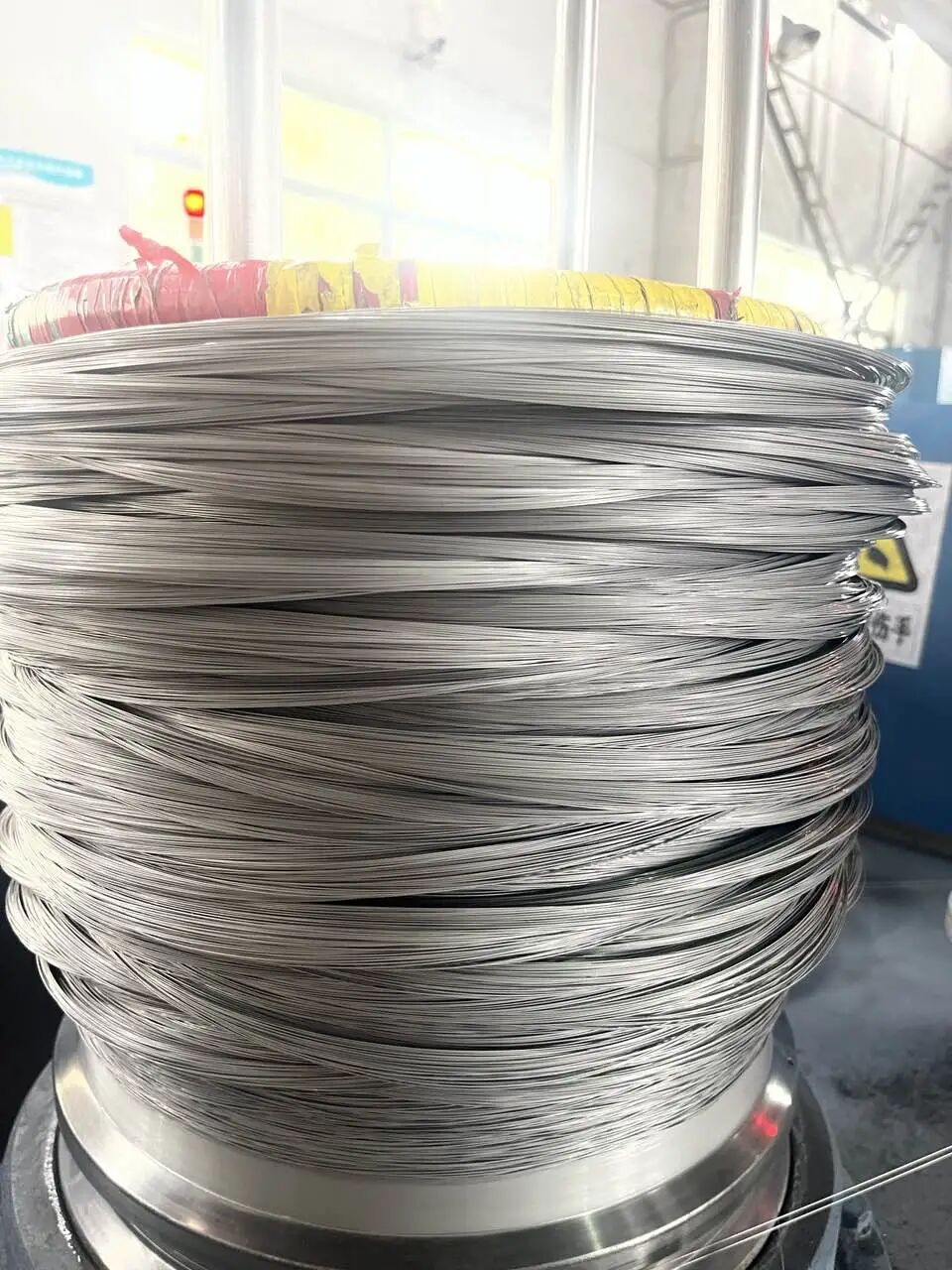
Visually check for uniform color (usually grey to dark grey) and absence of white spots (salt residue) or reddish stains (rust).
Perform simple adhesion or friction tests on sample lengths when production quality is critical.
Not all lubricants work well with all phosphate types.
Consult your supplier for recommended drawing compounds that match the coating’s porosity and chemical nature.
Deep scratches, kinks, or heavy rust cannot be “repaired” by additional lubricant.
Using compromised wire increases die wear and may cause breakage—removing it early saves overall costs.
Proper storage and handling don’t just extend shelf life; they also ensure consistent friction coefficients and reduced energy consumption in downstream operations.
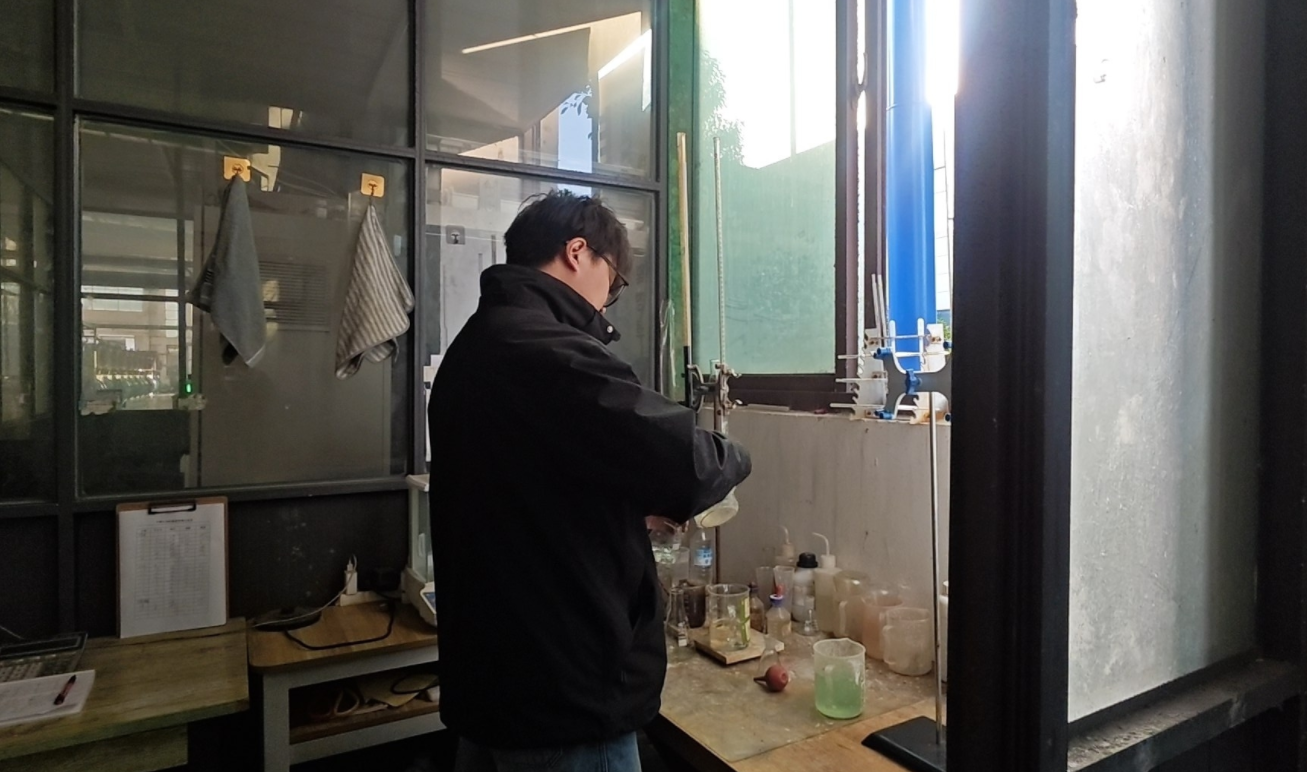
Phosphated steel wire has become an essential material across the automotive, construction, fastener, and wire drawing industries. Its unique ability to:
Improve corrosion resistance
Enhance lubrication
Reduce die wear
Extend product life
…makes it an economical and reliable surface treatment for modern manufacturing. As production speeds and quality expectations continue to rise, selecting the right phosphating process—and partnering with an experienced solution provider—are key to achieving consistent product quality and long‑term operational efficiency.
Whether you are drawing high‑carbon tire cord or cold‑heading automotive bolts, the right phosphate coating tailored to your environment and process will pay dividends in reduced tooling costs, fewer rejects, and happier customers.
Phosphated steel wire is steel wire treated with a phosphate conversion coating that improves corrosion resistance, lubrication, and wear resistance. It is widely used in drawing, forming, and fastening applications.
The phosphate coating retains drawing lubricants, reduces friction between the wire and dies, minimizes die wear, and improves drawing efficiency while producing a smoother surface finish.
Key industries include:
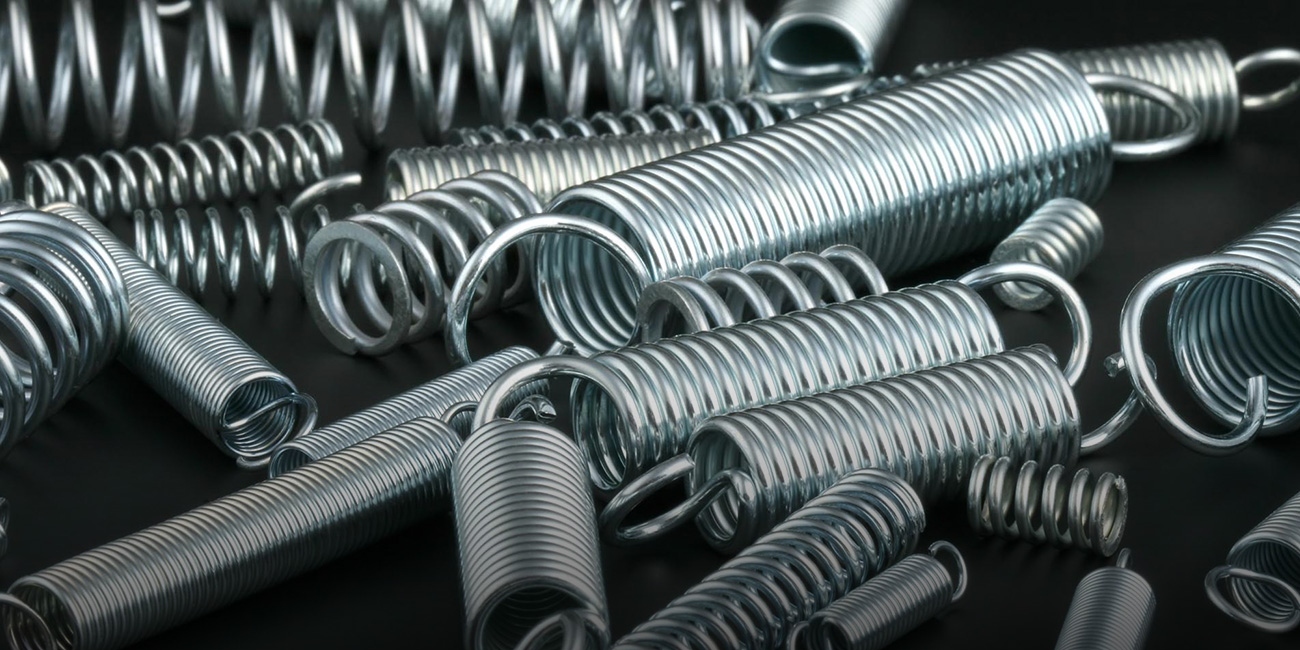
Automotive (springs, fasteners, brake tubing)
Construction (pre‑stressed concrete wire, mesh)
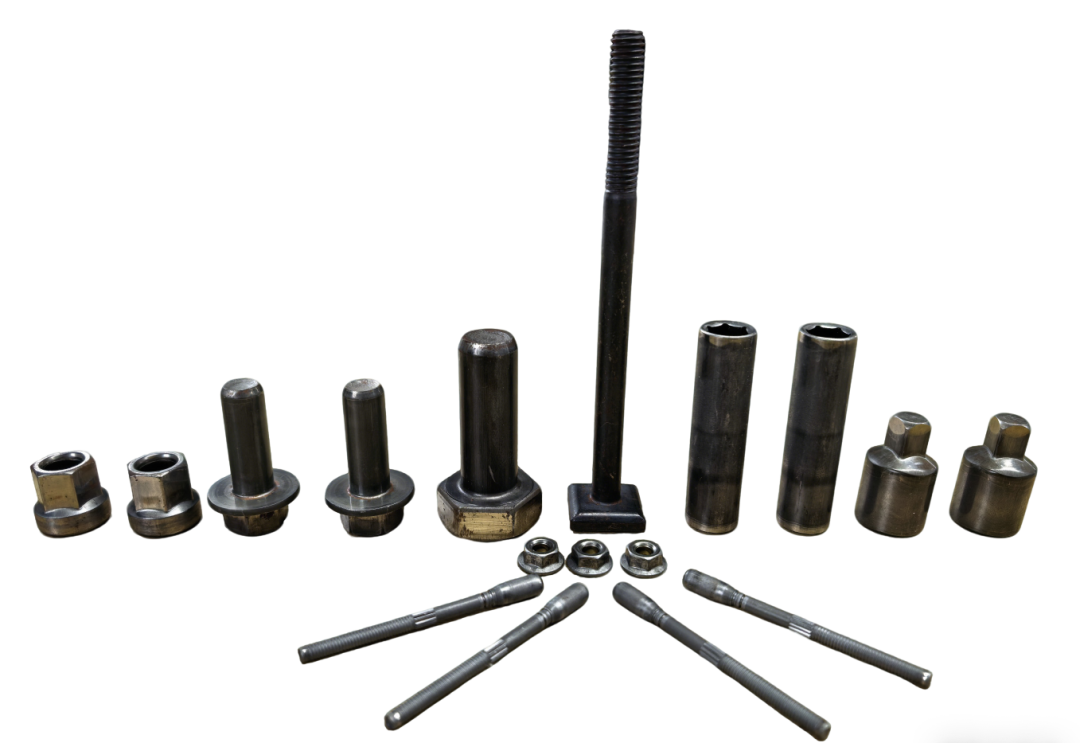
Fastener manufacturing (bolts, nuts, rivets)
Wire drawing & steel rope production
Tire cord manufacturing
Industrial packaging (baling wire, strapping)
No. Phosphating significantly improves corrosion resistance, but it is not a complete barrier against rust. For long‑term exposure to highly corrosive environments (e.g., salt spray, marine conditions), additional lubricants, rust‑preventive oils, or organic topcoats are strongly recommended. The phosphate layer serves as an excellent base for these supplementary protections.
The choice depends on your application:
Zinc phosphate – Best for general wire drawing and cold forming with moderate corrosion needs.
Manganese phosphate – Offers higher wear resistance and is ideal for heavy‑load forming and gears.
Zinc‑calcium phosphate – Provides finer crystals and superior corrosion protection when oiled.
Consult your supplier with details about your wire composition, drawing speed, and end‑use environment for a data‑driven recommendation.
For more technical guidance or to request a coating trial, contact our phosphating experts today.
In the steel wire drawing process, the selection of wire drawing lubricant must ...
At Pino, we regard quality as the foundation of our business.As a manufacturer o...
For manufacturers producing stainless steel spring wire, choosing the right wire...
Cold heading wire is widely used in the production of fasteners and precision me...
IntroductionWire drawing—the process of reducing the cross-section of metal rods...
We provide comprehensive wire production chemical solutions to global customers—from high-performance phosphating solutions to advanced dry wire drawing lubricants.